When you're on carbamazepine, even a small change in your generic brand can throw your whole treatment off balance. It’s not just about price or availability - it’s about how your body handles the drug. Carbamazepine is one of the most tricky antiepileptic drugs out there, not because it doesn’t work, but because it changes how your body processes everything else. And when you switch between generic versions, even if they’re labeled the same, your blood levels can drop - sometimes enough to trigger a seizure.
Why carbamazepine is different from other generics
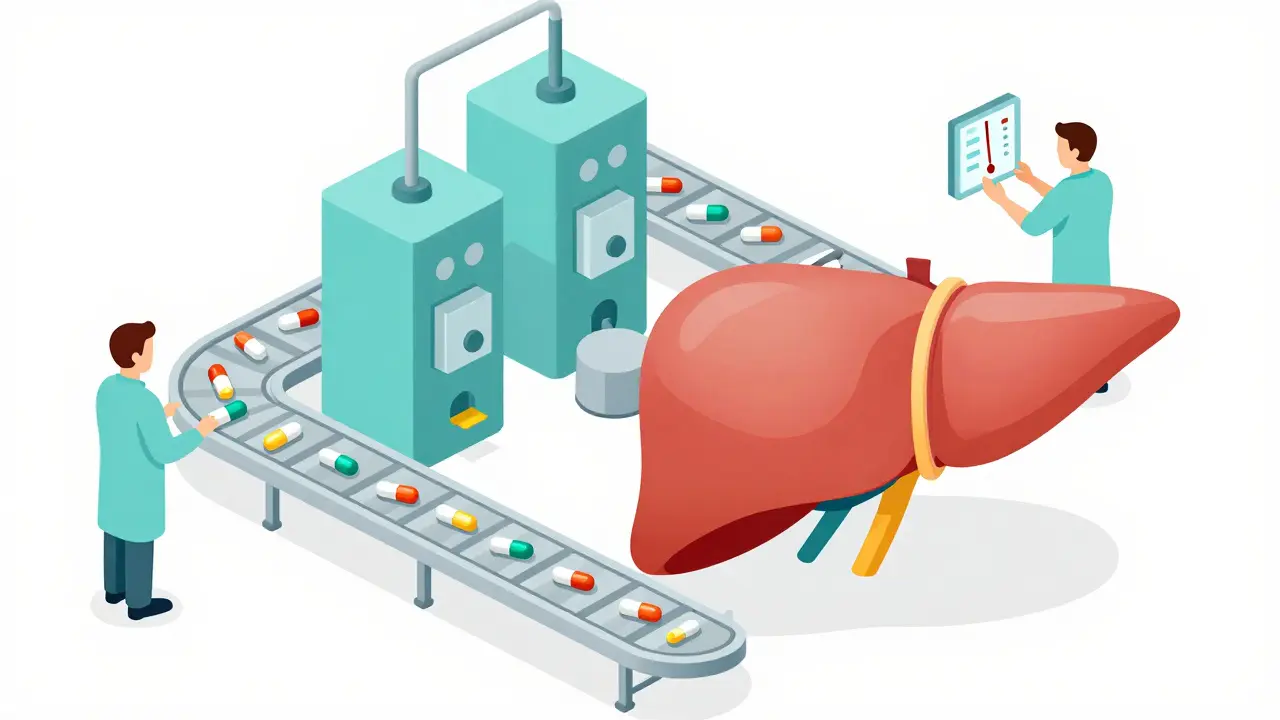
Most generic drugs are straightforward swaps. Take ibuprofen: whether it’s store brand or Advil, your body treats it the same. But carbamazepine? Not even close. It’s classified as a narrow therapeutic index (NTI) drug. That means the difference between a dose that works and one that’s dangerous is tiny. The safe range is 4 to 12 mcg/mL. Go below 4, and seizures might return. Go above 12, and you risk dizziness, nausea, or worse - like toxic reactions in your liver or bone marrow.On top of that, carbamazepine doesn’t just sit in your system. It actively changes your body’s chemistry. It turns on enzymes - mainly CYP3A4 - that break down not just itself, but dozens of other medications. This is called enzyme induction. Within 72 hours of starting carbamazepine, your liver starts producing more of these enzymes. By two to three weeks, they’re working at full speed. And here’s the kicker: carbamazepine speeds up its own breakdown. That’s why many patients need higher doses over time just to stay in the therapeutic range.
What drugs get affected
If you’re on carbamazepine, you’re likely on other meds too. And that’s where things get risky. Carbamazepine can slash the effectiveness of:- Warfarin - increasing your risk of blood clots
- Cyclosporine and tacrolimus - raising chances of organ rejection after transplant
- Birth control pills - making them less effective, even if you take them perfectly
- HIV antivirals like protease inhibitors - reducing their ability to suppress the virus
- Some antidepressants and antifungals - leading to treatment failure
It doesn’t stop there. Carbamazepine also boosts UGT enzymes and P-glycoprotein, which push drugs out of your cells. That means even drugs not metabolized by CYP3A4 can become less effective. A woman on birth control might get pregnant. A transplant patient might reject their new kidney. These aren’t rare cases - they’re documented in FDA warnings and hospital reports.
Generic switches: the hidden danger
All generic carbamazepine must meet FDA standards: they need to be bioequivalent to the brand name. That means their absorption rate (Cmax) and total exposure (AUC) must fall within 80-125% of the original. Sounds fair, right? But here’s the problem: those tests are done on healthy volunteers, not people with epilepsy.Patients with seizures often have other conditions - kidney issues, liver disease, other seizure meds - that change how carbamazepine moves through the body. A 2018 study of 327 patients found that 12.4% had breakthrough seizures or new side effects after switching between generic brands. Nearly 8% ended up in the ER. One patient reported her levels dropped from 7.2 to 4.8 mcg/mL after switching from Tegretol XR to a generic, even though her dose didn’t change. That’s below the therapeutic range.
Extended-release versions like Carbatrol or Equetro are especially tricky. They use different bead coatings and release mechanisms. A 2023 study found that one generic version used larger beads that didn’t dissolve well in patients with gastroparesis - a common side effect of carbamazepine itself. That patient ended up with erratic blood levels and more seizures.
Who’s most at risk
Not everyone has problems. About 60% of people switch generics without noticing a thing. But certain groups are far more vulnerable:- Women of childbearing age: Hormones affect CYP3A4 activity. A 2021 study showed women had 22% more breakthrough seizures after switching generics than men.
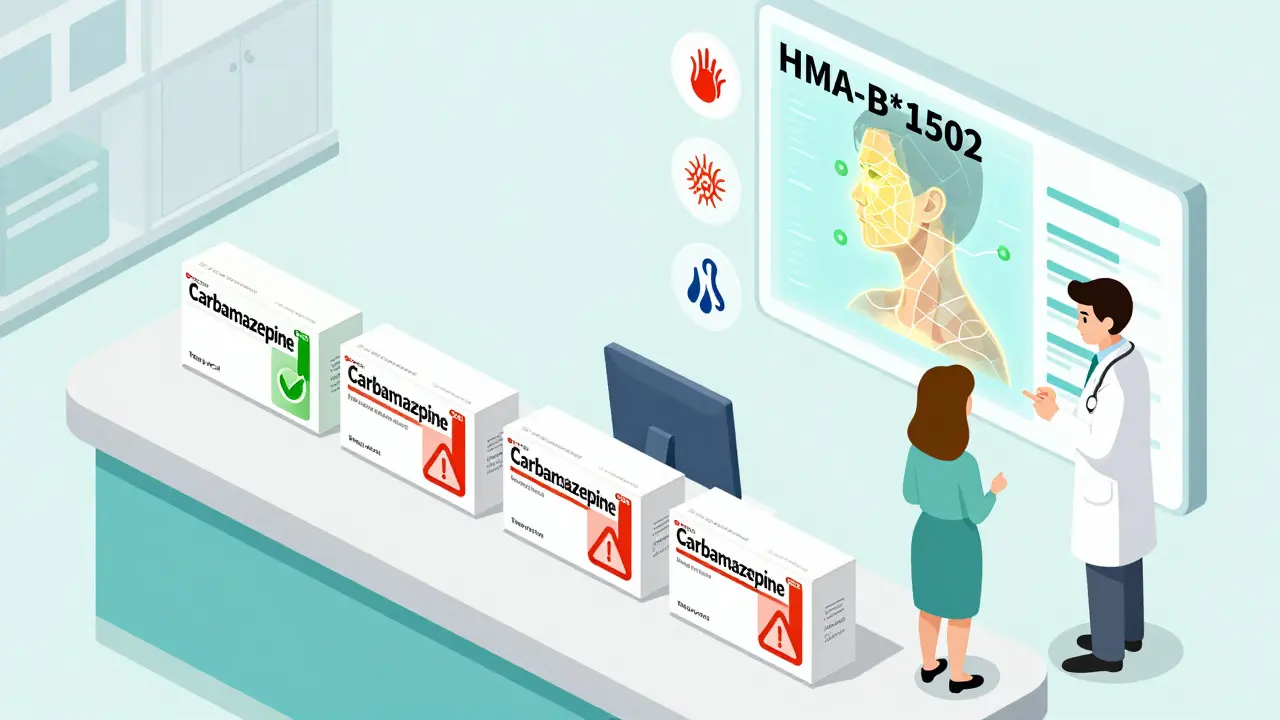
- Asian patients: If you carry the HLA-B*1502 gene - common in people of Chinese, Thai, Malaysian, or Filipino descent - carbamazepine can trigger Stevens-Johnson Syndrome, a life-threatening skin reaction. The risk is 10 times higher. Screening is mandatory before starting.
- Patients on multiple seizure meds: Polypharmacy increases variability. One study showed carbamazepine’s absorption differences jumped from 25% to 45% when combined with other antiepileptics.
- Older adults and those with liver problems: Slower metabolism means even small changes in formulation can push levels into toxic range.
What you can do
If you’re on carbamazepine, here’s what actually helps:- Stick with the same brand. If your prescription says Tegretol, ask your pharmacist to fill it with Tegretol - not any generic. If you’re on a generic, don’t switch unless your doctor says so.
- Ask for "dispense as written" (DAW 1). This stops pharmacies from automatically substituting generics. In 2023, 68% of U.S. neurologists started using this code for carbamazepine prescriptions.
- Get your blood tested. If you switch brands, check your carbamazepine level 7-14 days later. If it changes by more than 15%, your dose needs adjusting. The International League Against Epilepsy says this is non-negotiable for NTI drugs.
- Talk to your doctor before switching. Don’t let a pharmacy change your med without your prescriber’s approval. If you feel different - more drowsy, dizzy, or have more seizures - get tested immediately.
- Know your genetics. If you’re of Asian descent, ask for HLA-B*1502 screening before starting carbamazepine. If you’re positive, levetiracetam or lamotrigine are safer first choices.
The future: precision dosing
Experts are pushing for change. The FDA is developing new testing rules for carbamazepine extended-release products, including in vitro-in vivo correlation models that better predict real-world performance. Researchers have found 17 gene variants that affect how people process carbamazepine. One variant, CYP3A4*22, means you need 25% less drug to reach the same level.By 2028, doctors may routinely use genetic tests and AI-powered dosing tools to personalize carbamazepine prescriptions. Pilot studies show this could cut adverse events by 30-40%. Until then, the safest approach is simple: know your drug, know your brand, and never let your blood levels go unchecked.
Can I switch between different carbamazepine generics safely?
It’s risky. Even though generics meet FDA bioequivalence standards, real-world studies show 12-15% of patients experience breakthrough seizures or side effects after switching. Carbamazepine has a narrow therapeutic window and autoinduction properties that make small formulation differences matter. Always consult your neurologist before switching, and get a blood level check 7-14 days after the switch.
Why does carbamazepine lower the effect of birth control?
Carbamazepine induces CYP3A4 enzymes, which speed up the breakdown of estrogen and progestin in birth control pills. This reduces their concentration in your blood, making them less effective. Even if you take your pill perfectly, you’re at higher risk of unintended pregnancy. Doctors recommend using a backup method like condoms or an IUD while on carbamazepine.
Is there a safer alternative to carbamazepine?
Yes, especially if you’re at risk for side effects. Levetiracetam, lamotrigine, and lacosamide are often preferred because they don’t induce liver enzymes and have fewer drug interactions. For patients with the HLA-B*1502 gene, carbamazepine is contraindicated - alternatives are required. Your neurologist can help choose the best option based on your seizure type, genetics, and other medications.
How often should I get my carbamazepine levels checked?
If you’re stable on the same brand, check every 6-12 months. But if you switch generics, start a new medication, change doses, or feel different, get tested 7-14 days after the change. Also test if you develop new side effects like dizziness, rash, or nausea. Levels can drop or spike quickly with carbamazepine - don’t wait for a seizure to happen.
Why do some people have no issues with generic switches?
Because not everyone is equally sensitive. About 60% of patients tolerate generic switches without problems. This depends on genetics, liver function, other medications, and how stable their condition is. But since you can’t predict who will react, it’s safer to avoid switching unless absolutely necessary. The risk isn’t zero - it’s just not the same for everyone.
Can pharmacists tell me which generic brand I’m getting?
Yes, and you should ask. The FDA’s Orange Book lists all approved generics by manufacturer. If your prescription says "carbamazepine 200 mg," the pharmacy might fill it with a different brand each time. Ask them to note the manufacturer name on your receipt. If you’ve had issues before, request the same brand every time - and make sure your doctor writes "DAW 1" on the prescription.
Jan Hess
January 15, 2026 AT 15:50Man I never realized how wild carbamazepine is until I switched generics and nearly had a seizure last year. My neurologist was furious when I told him the pharmacy swapped it out without telling me. Now I demand DAW 1 on every script. If you're on this drug, don't let them play Russian roulette with your brain.
Iona Jane
January 17, 2026 AT 10:38They’re hiding this from us. Big Pharma and the FDA are in bed together. Why do you think they let generics pass when they know 1 in 8 people crash? It’s profit. They don’t care if you seize in your sleep. They just want you to keep buying pills. Read the FDA’s own reports. They admit the testing is done on healthy people. That’s a death sentence for epileptics.
Jaspreet Kaur Chana
January 18, 2026 AT 14:11I’m from India and we use a lot of generic carbamazepine here because of cost. But I’ve seen friends go through hell after switching brands. One guy had to be rushed to the hospital after his levels dropped. In our system, pharmacists don’t even tell you which brand they’re giving you. No one checks blood levels unless you beg for it. We need a national registry for NTI drugs like this. It’s not just about science - it’s about survival. And yes, I’ve had the HLA-B*1502 test - lucky I’m negative. But my cousin? She’s on levetiracetam now. Smart move.
Haley Graves
January 18, 2026 AT 19:25Stop waiting for a seizure to happen. If you’re on carbamazepine, get your levels checked every time you switch - no exceptions. I’m a nurse and I’ve seen too many patients get dismissed because they ‘feel fine.’ Feeling fine doesn’t mean your levels are safe. Write down your brand name. Bring a copy of this post to your doctor. Advocate for yourself. You’re not being difficult - you’re being smart.
Diane Hendriks
January 19, 2026 AT 11:38The fact that the FDA permits this is a national disgrace. We are a scientific superpower, yet we allow a drug with a therapeutic window narrower than a tightrope to be swapped like candy. This isn’t just negligence - it’s systemic malpractice. The word ‘bioequivalent’ is a euphemism for ‘we don’t care enough to test properly.’ If this were insulin, there’d be riots. But because it’s epilepsy, they think we’re disposable.
ellen adamina
January 21, 2026 AT 10:16I switched from Tegretol to a generic and didn’t notice anything until I started having weird dizziness and my anxiety spiked. I didn’t connect it until I read this. Got my levels checked - dropped from 8.1 to 5.3. My doctor said ‘it’s fine’ but I insisted on switching back. Now I’m stable. I wish I’d known sooner. If you’re reading this and you’re on carbamazepine - check your levels. Just do it.
Gloria Montero Puertas
January 22, 2026 AT 04:39Oh, so now we’re supposed to trust the ‘science’ behind generics? Please. You think the FDA is protecting you? They’re protecting the bottom line of multinational conglomerates. And you? You’re just a statistic. If you’re not checking your levels every single time they switch your med - you’re playing with fire. And if you’re a woman? You’re basically a walking time bomb. This isn’t medicine - it’s a lottery.
Tom Doan
January 24, 2026 AT 00:53Interesting. So the system is designed to fail the most vulnerable. And yet, we’re told to ‘trust the process.’ The irony is almost poetic. You need a blood test to verify that a generic drug - which is supposed to be interchangeable - is actually working. That’s not a flaw in the system. That’s the system.
Sohan Jindal
January 25, 2026 AT 11:15This is why America is falling apart. Foreign labs make these generics and the government lets them slide. We used to make good medicine here. Now we let some guy in China grind up pills and call it the same. My cousin got a seizure because of a cheap generic. It’s not a coincidence. It’s treason.
Frank Geurts
January 26, 2026 AT 02:41As a clinical pharmacist with over two decades of experience in neuropharmacology, I must emphasize that the data presented herein is not only accurate but critically underappreciated by both providers and patients. The pharmacokinetic variability inherent in carbamazepine extended-release formulations is not merely theoretical - it is clinically validated, reproducible, and documented in peer-reviewed literature spanning the past fifteen years. I routinely counsel patients to maintain brand consistency, obtain therapeutic drug monitoring, and request DAW-1 prescriptions. Failure to do so constitutes an unacceptable risk. The FDA’s current regulatory framework for NTI drugs is antiquated, and the burden of vigilance should not rest solely on the patient. Systemic reform is not merely advisable - it is imperative.