When Medicine Hurts Your Ears
You trust your doctor to save your life. Whether it’s fighting a stubborn infection or battling cancer, the prescription you get is meant to heal you. But what if that same medicine quietly damages your ability to hear? It sounds like a plot twist from a medical drama, but it’s a real risk for millions of people. This phenomenon is called ototoxicity, which is damage to the inner ear caused by certain drugs that leads to hearing loss or balance problems.
About 600 prescription medications are known to potentially harm your ears, according to the American Speech-Language-Hearing Association (ASHA). For most people, this isn’t a daily worry. But if you’re on specific high-risk drugs-like certain antibiotics or chemotherapy agents-your hearing could be at stake. The scary part? The damage is often permanent. Once those tiny hair cells in your inner ear die, they don’t grow back.
The good news is that you aren’t powerless. By understanding which drugs carry these risks and how to monitor them, you can catch early warning signs before significant hearing loss sets in. Early detection can reduce the risk of severe impairment by up to 50%. Let’s break down exactly which medications to watch out for, how they cause damage, and what steps you should take to protect your hearing.
Which Drugs Are the Biggest Threats?
Not all medicines are created equal when it comes to ear safety. Some have a very low risk, while others are notorious for causing damage. Here are the main culprits you need to know about.
Aminoglycoside Antibiotics
If you’ve ever been hospitalized for a serious infection, you might have heard of gentamicin, tobramycin, or amikacin. These are powerful antibiotics used for resistant infections like tuberculosis or severe sepsis. They work by killing bacteria, but they also tend to attack the inner ear. Studies show that between 20% and 63% of patients receiving multi-day treatments with these drugs experience some degree of hearing loss. The risk jumps significantly if treatment lasts longer than seven days.
Platinum-Based Chemotherapy
Cancer treatments like cisplatin are lifesavers, but they come with heavy side effects. Cisplatin affects 30% to 60% of patients who receive it, with about 18% experiencing severe to profound hearing loss. What makes cisplatin particularly dangerous is that it can accumulate in the cochlea and continue causing damage months after the treatment ends. Other platinum drugs like carboplatin and oxaliplatin have much lower risks (5-15% and less than 5%, respectively), so doctors sometimes switch medications to spare your ears if possible.
Other Common Medications
It’s not just hospital-grade drugs. Some common prescriptions carry ototoxic risks too:
- Loop Diuretics: Drugs like furosemide (Lasix) can cause temporary or permanent hearing issues, especially if injected quickly into a vein.
- High-Dose Aspirin: Taking large amounts of aspirin regularly can lead to tinnitus (ringing in the ears) and mild hearing loss, though this usually reverses when you stop taking it.
- Certain Antidepressants: Tricyclic antidepressants like amitriptyline and some SSRIs have been linked to ear damage, though the risk is generally lower than with chemo or strong antibiotics.
| Medication Class | Common Examples | Risk Level | Reversibility |
|---|---|---|---|
| Aminoglycosides | Gentamicin, Amikacin | High (20-63%) | Usually Permanent |
| Platinum Chemo | Cisplatin | Very High (30-60%) | Permanent |
| Loop Diuretics | Furosemide | Moderate | Often Reversible |
| Aspirin (High Dose) | Bayer, Ecotrin | Low | Reversible |
How Do These Drugs Damage Your Ears?
To understand the risk, you have to look inside the cochlea-the spiral-shaped organ in your inner ear responsible for hearing. Inside the cochlea are thousands of microscopic structures called hair cells. These cells convert sound waves into electrical signals that your brain interprets as sound.
Ototoxic drugs attack these hair cells through several mechanisms:
- Oxidative Stress: Drugs like cisplatin and aminoglycosides create harmful free radicals (reactive oxygen species) that inflame and kill hair cells.
- Direct Toxicity: Some chemicals directly destroy the cellular structure of the hair cells.
- Reduced Blood Flow: Certain medications restrict blood supply to the inner ear, starving the delicate tissues of oxygen.
- Neurotransmitter Interference: Some drugs disrupt the chemical messengers needed for the ear to send signals to the brain.
The damage typically starts in the basal region of the cochlea, which handles high-frequency sounds (around 4,000 to 8,000 Hz). This is why early hearing loss often goes unnoticed-you can still hear normal conversation, but you start missing birds chirping, children’s voices, or consonant sounds like "s" and "f." As the cumulative dose increases, the damage spreads to lower frequencies, making everyday communication difficult.
Why Standard Hearing Tests Miss the Danger
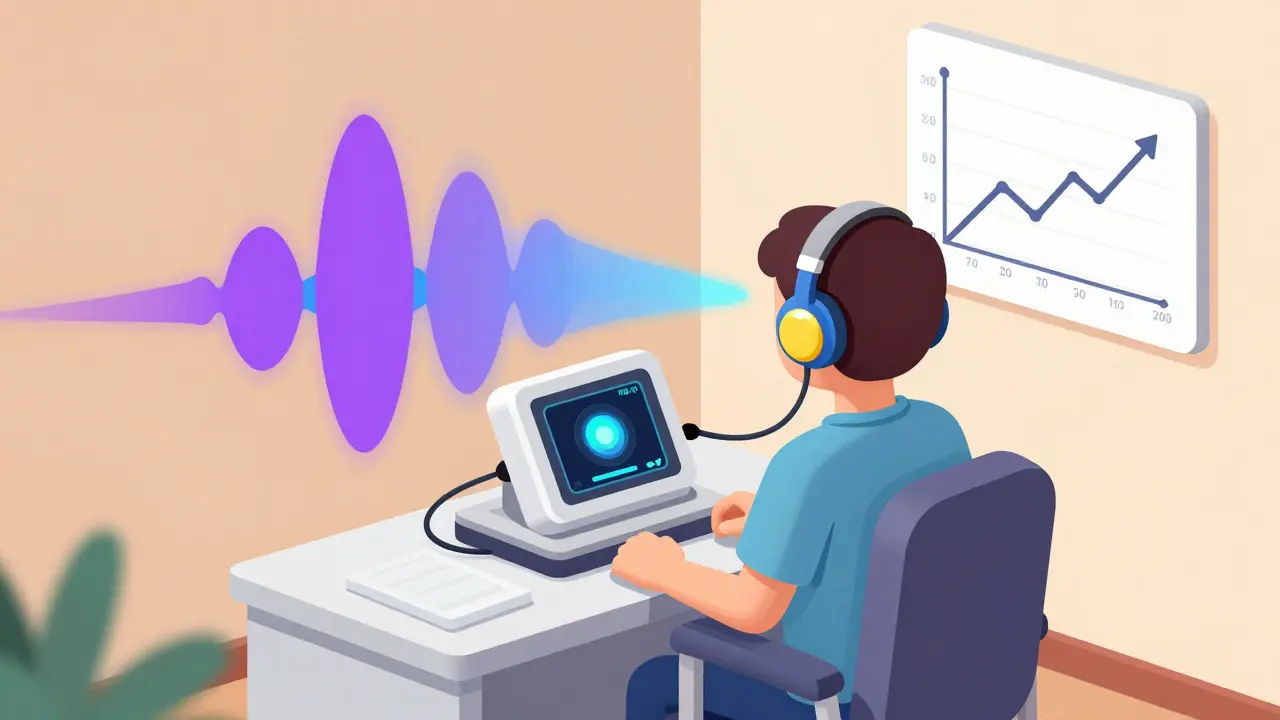
Here’s a frustrating reality: standard clinical hearing tests usually only check frequencies up to 4,000 Hz. Since ototoxic damage begins at higher frequencies (8,000 Hz and above), you could be losing hearing without anyone knowing until it’s too late.
Imagine driving a car where the speedometer only shows speeds up to 30 mph. You wouldn’t realize you were speeding until something broke. That’s exactly what happens with standard audiograms. To properly monitor ototoxicity, you need specialized testing that reaches up to 8,000 or even 12,000 Hz. Additionally, otoacoustic emissions (OAE) testing can detect outer hair cell damage before any changes show up on a standard hearing test, increasing detection sensitivity by 25%.
Your Action Plan for Monitoring and Protection
If you’re prescribed a high-risk medication, don’t wait for symptoms to appear. Take proactive steps to safeguard your hearing.
1. Get a Baseline Audiogram
Before starting treatment, ask for a comprehensive hearing test that includes high-frequency ranges. This establishes your "normal" so any future changes can be accurately tracked. If you’re having trouble finding an audiologist who does extended high-frequency testing, ask your primary care provider for a referral to a specialist familiar with ototoxicity protocols.
2. Schedule Regular Follow-Ups
Monitoring frequency depends on the drug:
- Cisplatin: Test after every cycle of chemotherapy.
- Aminoglycosides: Test weekly or after each dose cycle.
- Long-term use: Monthly checks may be necessary.
3. Watch for Early Warning Signs
Be honest with yourself and your doctor about subtle changes. Report any of the following immediately:
- Tinnitus: A persistent ringing, buzzing, or hissing in one or both ears. This is often the first sign of damage.
- Balance Issues: Feeling dizzy, unsteady, or nauseous, especially in the dark or when turning your head quickly. This suggests vestibular (balance) damage.
- Muffled Hearing: Sounds seeming distant or unclear, particularly in noisy environments.
4. Ask About Protective Strategies
In some cases, doctors can adjust dosages or switch to less toxic alternatives. For example, carboplatin may replace cisplatin in certain cancer protocols. In November 2022, the FDA approved sodium thiosulfate (Pedmark) specifically to reduce cisplatin-induced hearing loss in children with hepatoblastoma, showing a 48% reduction in risk. Ask your oncologist or infectious disease specialist if otoprotective agents are appropriate for your case.
Who Is Most at Risk?
While anyone can develop ototoxicity, certain factors increase your vulnerability:
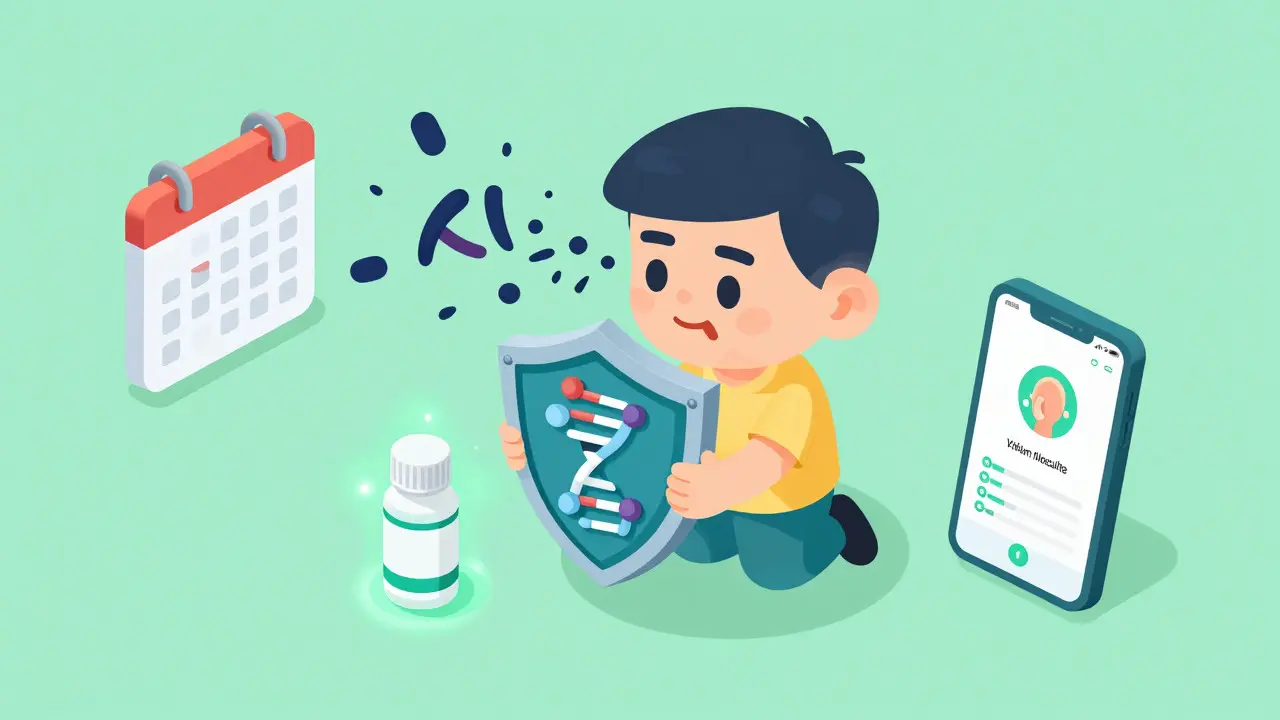
- Genetic Susceptibility: Specific mitochondrial DNA mutations (like m.1555A>G) can make you 100 times more likely to suffer hearing loss from aminoglycosides. If you have a family history of sudden hearing loss after antibiotic use, mention this to your doctor.
- Kidney Function: Poor kidney function slows the elimination of drugs from your body, increasing exposure time and toxicity risk.
- Age: Older adults and young children are generally more vulnerable due to developing or aging physiological systems.
- Cumulative Dose: The more total medication you receive over time, the higher the risk.
Living With Ototoxic Hearing Loss
If damage has already occurred, there are still ways to manage it. Because the hair cells don’t regenerate, the focus shifts to compensation and rehabilitation.
- Hearing Aids: Modern digital hearing aids can amplify specific frequencies where you’ve lost sensitivity, improving clarity in conversations.
- Vestibular Therapy: Physical therapy exercises can help your brain compensate for balance issues caused by inner ear damage.
- Cochlear Implants: In cases of severe sensorineural hearing loss, implants bypass damaged hair cells and directly stimulate the auditory nerve.
The emotional toll of hearing loss shouldn’t be underestimated. Many patients report frustration, social isolation, and anxiety. Joining support groups or working with a counselor experienced in chronic illness can provide valuable coping strategies.
Future Directions in Ototoxicity Prevention
Research is moving fast. Scientists are investigating antioxidants like N-acetylcysteine as potential shields against aminoglycoside damage. Smartphone apps are being developed to allow patients to self-monitor high-frequency hearing changes at home, potentially catching problems earlier than clinic visits. Updated guidelines from the Ototoxicity Working Group are expected to include genetic testing recommendations for high-risk patients, offering a more personalized approach to prevention.
The key takeaway is simple: awareness saves hearing. If you’re facing treatment with a known ototoxic drug, advocate for yourself. Demand baseline testing, insist on regular monitoring, and speak up at the first sign of trouble. Your hearing is precious-protect it as fiercely as you protect your health.
What are the most common ototoxic medications?
The most common ototoxic medications include aminoglycoside antibiotics (gentamicin, tobramycin, amikacin), platinum-based chemotherapy drugs (especially cisplatin), loop diuretics (furosemide), and high-dose aspirin. Among these, cisplatin and aminoglycosides pose the highest risk for permanent hearing loss.
Is ototoxic hearing loss always permanent?
Not always. Damage from high-dose aspirin or loop diuretics is often reversible once the medication is stopped. However, hearing loss caused by cisplatin and aminoglycosides is typically permanent because it destroys the sensory hair cells in the inner ear, which do not regenerate in humans.
How can I tell if my medication is affecting my hearing?
Early signs often include tinnitus (ringing in the ears), difficulty hearing high-pitched sounds, muffled speech perception, and balance issues like dizziness or unsteadiness. Since standard hearing tests miss high-frequency loss, specialized audiometry up to 8,000-12,000 Hz is required for accurate detection.
Can genetic testing predict ototoxicity risk?
Yes, for certain drugs. Mitochondrial DNA mutations such as m.1555A>G can increase susceptibility to aminoglycoside-induced hearing loss by up to 100-fold. While routine screening isn't yet standard for everyone, individuals with a family history of sudden hearing loss after antibiotic use should discuss genetic testing with their healthcare provider.
What is the best way to monitor hearing during chemotherapy?
Patients receiving cisplatin should undergo baseline high-frequency audiometry before treatment begins, followed by tests after each chemotherapy cycle. Otoacoustic emissions (OAE) testing can also be used to detect early outer hair cell damage. Integrated care involving oncologists and audiologists is recommended to ensure timely intervention.
Are there any protective treatments available?
Sodium thiosulfate (Pedmark) was FDA-approved in 2022 to reduce cisplatin-induced hearing loss in children with hepatoblastoma. Researchers are also studying antioxidants like N-acetylcysteine for protection against aminoglycoside toxicity. Always consult your doctor before adding any supplements to your regimen.