Prednisone Mood Side Effect Risk Assessor
Symptoms typically emerge within 5-7 days of starting therapy. Higher doses increase risk significantly.
Risk Level:
Key Factors Affecting Your Risk:
Recommended Actions:
Starting a course of Prednisone is a synthetic corticosteroid used to reduce inflammation and suppress the immune system can feel like a double-edged sword. On one hand, it’s incredibly effective at calming down conditions like rheumatoid arthritis, inflammatory bowel disease, or severe allergic reactions. On the other hand, many patients report feeling like they’ve been hijacked by their own emotions. You might find yourself snapping at loved ones, feeling unexplained anxiety, or experiencing sudden waves of euphoria followed by deep sadness. If you’re wondering if this is just in your head, let me reassure you: it isn’t. These mood changes are well-documented, physiological responses to the medication.
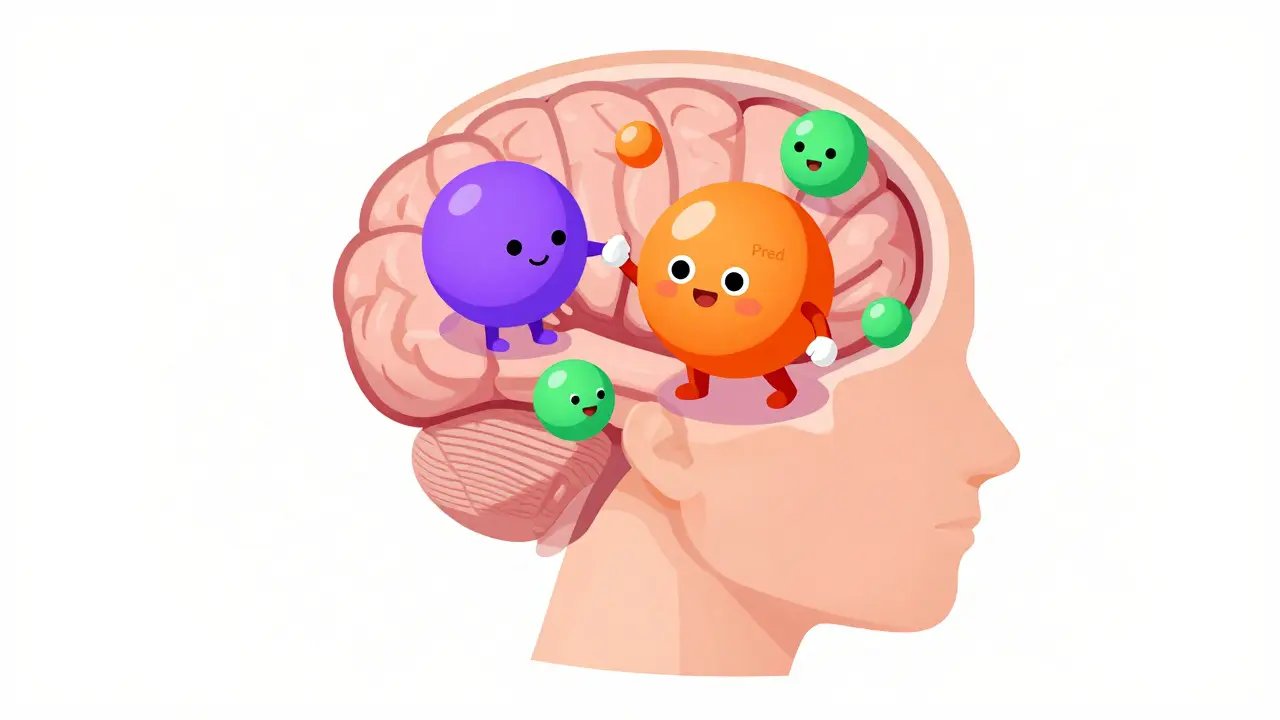
Understanding why this happens is the first step toward managing it. Prednisone works by mimicking cortisol, your body’s natural stress hormone. While this helps fight inflammation, it also directly impacts neurotransmitters in your brain, specifically serotonin and dopamine pathways. According to clinical data, between 18% and 47% of patients experience psychiatric side effects during treatment. Knowing that nearly half of people on this drug face similar struggles can help remove the stigma and guilt often associated with these emotional shifts.
The Science Behind Steroid-Induced Mood Changes
To understand why prednisone affects your mood, we need to look at how it interacts with your brain. When you take an oral dose, the molecule crosses the blood-brain barrier within 30 to 60 minutes. This rapid entry triggers immediate physiological responses. Neuroimaging studies have shown that corticosteroids alter activity in the amygdala (the part of the brain responsible for fear and emotion) and the prefrontal cortex (which handles decision-making and social behavior) within just 72 hours of starting treatment.
The severity of these symptoms is often dose-dependent. Research published in the *Journal of Clinical Endocrinology & Metabolism* indicates that doses exceeding 20mg daily significantly increase the risk of psychiatric side effects. Patients taking 40mg daily were found to have a 3.2-fold higher incidence of mood disturbances compared to those on 10mg. The U.S. Food and Drug Administration (FDA) classifies mood changes as a 'very common' side effect, occurring in more than 10% of users. Symptoms typically emerge within 5 to 7 days of starting therapy, which aligns with the time it takes for the drug to reach steady-state levels in your system.
| Symptom | Frequency | Typical Onset |
|---|---|---|
| Irritability | High (up to 82% in patient surveys) | Within 1-3 days |
| Anxiety | High (up to 76%) | Within 3-5 days |
| Emotional Lability | Moderate (approx. 63%) | Within 5-7 days |
| Euphoria | Moderate | Varies |
| Depression/Suicidal Ideation | Low but Serious (requires immediate attention) | Can occur anytime |
Recognizing the Signs Early
Catching these symptoms early allows you to implement coping strategies before they spiral out of control. The most common complaint is irritability. You might find that small inconveniences-like traffic or a slow internet connection-that usually wouldn’t bother you now trigger intense anger. Anxiety is another frequent issue, often manifesting as a racing heart, restlessness, or an inability to sit still.
Some patients experience what doctors call 'emotional lability,' where your mood swings wildly from happy to sad without any external trigger. In rarer cases, high doses can induce bipolar-like symptoms, including elevated energy, decreased need for sleep (some patients report sleeping only 3 hours a night), and racing thoughts. It is crucial to distinguish between normal stress and steroid-induced psychosis. If you hear voices, see things that aren’t there, or feel completely detached from reality, seek medical help immediately. These are signs of severe psychiatric toxicity that require urgent intervention.
Practical Coping Strategies for Daily Life
While you cannot simply stop taking prednisone without consulting your doctor, there are several evidence-based strategies to mitigate these effects. The goal is to stabilize your nervous system and create structure in your day.
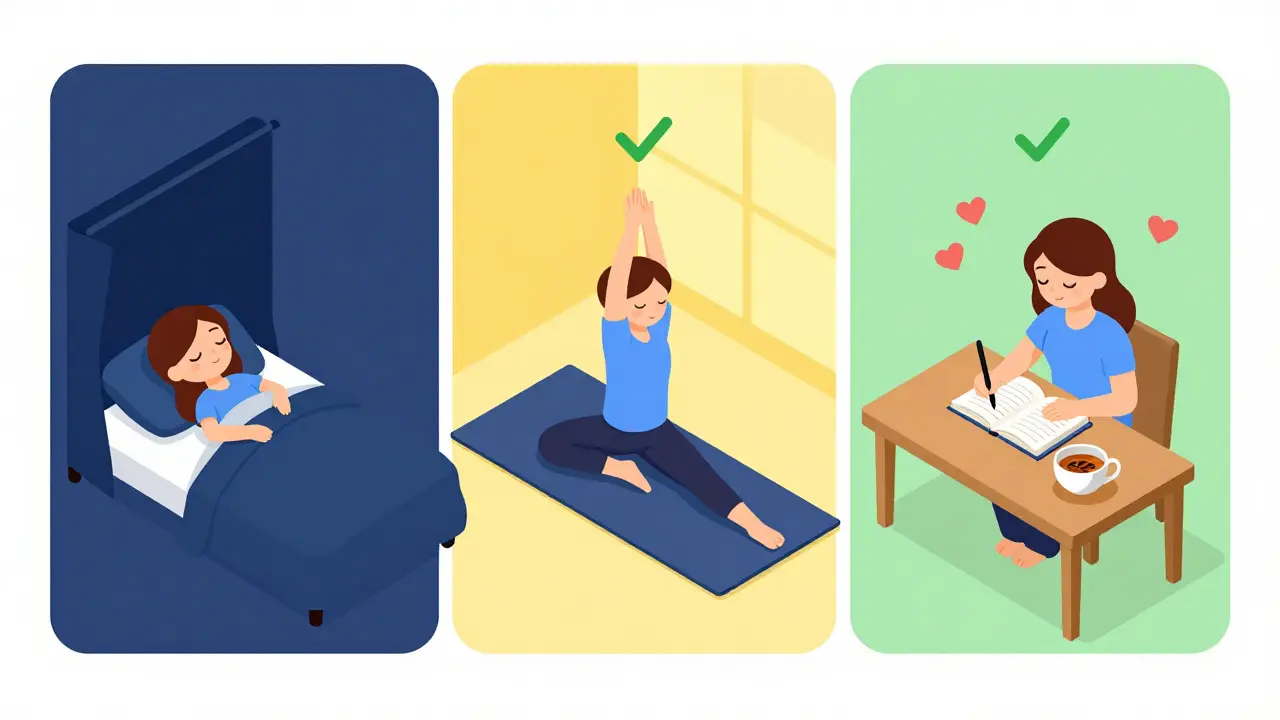
- Maintain a Strict Sleep Schedule: Prednisone disrupts your circadian rhythm, making it hard to fall asleep. Poor sleep exacerbates mood swings. Try to go to bed and wake up at the same time every day. Avoid screens for an hour before bed and consider using blackout curtains to simulate nighttime darkness.
- Engage in Moderate Exercise: A 2022 study in the *Journal of Psychiatric Research* found that 30 minutes of moderate exercise daily can reduce cortisol levels by 27%. This doesn’t mean running a marathon; a brisk walk, gentle yoga, or swimming can help burn off the excess energy and anxiety caused by the drug.
- Practice Mindfulness and Meditation: Apps guided meditation sessions for 15 minutes twice a day have been reported by community members to reduce symptom severity. Focusing on your breath helps ground you when you feel overwhelmed by sudden emotional spikes.
- Keep a Mood Journal: Tracking your moods can help identify patterns. Note the time of day you take your medication and how you feel 2, 4, and 6 hours later. This data can be invaluable for your doctor when adjusting your dosage or timing.
- Communicate Openly: Tell your family and close friends that you are on prednisone and that it may affect your temper. A simple phrase like, "I’m feeling irritable because of my medication, not because of you," can prevent unnecessary conflict.
Medical Interventions and Professional Support
If lifestyle changes aren't enough, don't hesitate to seek professional help. Your prescribing physician should be aware of any significant mood changes. In some cases, they may adjust your dosage or switch you to a different corticosteroid with fewer psychiatric side effects, such as Methylprednisolone, though cross-reactivity is possible.
For patients requiring prolonged therapy, recent research suggests that prophylactic use of low-dose selective serotonin reuptake inhibitors (SSRIs) can reduce mood swing incidence by 58%. While this is currently an off-label approach, discussing it with a psychiatrist could be beneficial, especially if you have a history of depression or anxiety. Cognitive Behavioral Therapy (CBT) is also highly recommended. A therapist can provide tools to manage intrusive thoughts and develop healthy coping mechanisms for stress.
It is also important to monitor your tapering process. The American Gastroenterological Association recommends tapering doses as rapidly as clinically possible to minimize psychiatric side effects. However, stopping abruptly can cause adrenal insufficiency, a life-threatening condition. Always follow your doctor's tapering schedule strictly. Interestingly, some patients report that mood symptoms can persist for 5 to 14 days after discontinuation, so patience is key during this transition period.
Nutrition and Lifestyle Adjustments
What you eat can influence how your body processes steroids. Prednisone can increase appetite and lead to weight gain, which further impacts mental health. Focus on whole foods, lean proteins, and complex carbohydrates to maintain stable blood sugar levels. Avoid excessive sugar and caffeine, as both can exacerbate anxiety and jitteriness. Staying hydrated is also crucial, as dehydration can worsen fatigue and confusion.
Consider scheduling important conversations or decisions for times when the medication's effects are lowest. For once-daily dosing, this is typically in the morning. If you feel your mind fogging up or your emotions spiking in the afternoon, try to avoid high-stakes interactions during that window.
When to Seek Immediate Help
While mild irritability and anxiety are common, certain symptoms require immediate medical attention. Contact your healthcare provider or go to the emergency room if you experience:
- Suicidal thoughts or self-harm urges
- Hallucinations or delusions
- Severe panic attacks that do not resolve with breathing exercises
- Confusion or disorientation that interferes with daily functioning
- Manic episodes characterized by reckless behavior or lack of inhibition
Remember, these are temporary side effects of a medication, not reflections of your character or mental resilience. With proper support and management, most people navigate this period successfully and return to their baseline mood once the treatment concludes.
How long do prednisone mood swings last?
Mood swings typically begin within 5-7 days of starting treatment and persist as long as you are taking the medication. After discontinuation, symptoms usually resolve within 5 to 14 days, though some individuals may experience residual anxiety for a few weeks longer.
Can prednisone cause permanent mental health issues?
In rare cases, high-dose or long-term use has been linked to lasting psychiatric effects, particularly in individuals with pre-existing mental health conditions. However, for most patients, the effects are reversible once the drug is cleared from the system.
Does taking prednisone in the morning vs. evening affect mood?
Taking prednisone in the morning is generally recommended to mimic the body's natural cortisol rhythm and reduce insomnia. Insomnia can worsen mood swings, so morning dosing may indirectly help stabilize emotions.
Are there alternatives to prednisone with fewer mood side effects?
Other corticosteroids like Methylprednisolone or Dexamethasone may have slightly different side effect profiles, but they all carry a risk of mood changes. Non-steroidal anti-inflammatory drugs (NSAIDs) or biologics might be considered for chronic conditions, depending on your specific diagnosis.
Should I tell my doctor if I feel anxious on prednisone?
Yes, absolutely. Your doctor needs to know about any psychological changes. They can adjust your dosage, prescribe supportive medications like SSRIs, or refer you to a mental health professional if necessary.