You check the back of that bottle of painkillers or the side of your rescue inhaler. The date has passed by a few months. It’s just one pill, right? Or maybe it’s just a slightly weaker dose? Most people assume that an expiration date is merely a suggestion from manufacturers trying to sell you more product. But for certain critical drugs, that date isn't about potency-it's about survival.
While many solid pills remain safe and effective years past their printed label thanks to stability testing data like the FDA's Shelf Life Extension Program (SLEP), there is a specific group of medications where "expired" means dangerous, ineffective, or even toxic. Using these drugs after their clock runs out can lead to treatment failure, severe infections, or life-threatening complications. Knowing which ones fall into this high-risk category is essential for keeping yourself and your family safe.
The High-Stakes Group: Emergency and Life-Saving Medications
When seconds count, you cannot afford a placebo effect. Certain medications are designed to treat acute, life-threatening conditions. If these drugs have degraded, they won’t just be less effective; they might fail entirely when you need them most.
Epinephrine Auto-Injectors
If you carry an epinephrine auto-injector such as an EpiPen for severe allergic reactions, its expiration date is non-negotiable. Epinephrine is chemically unstable. According to stability data from Mylan Pharmaceuticals, these devices lose approximately 15% of their potency every year after expiration. During anaphylaxis, your body needs a full, potent dose to open airways and raise blood pressure immediately. Swedish Health Services’ 2023 emergency medicine guidelines explicitly warn against relying on expired units. University Hospitals documented cases where patients delayed seeking professional care because they attempted to use expired pens, resulting in inadequate symptom control and hospitalization. Replace these strictly on the date printed on the device.
Nitroglycerin Tablets
For heart patients suffering from angina, nitroglycerin a medication used to relieve chest pain caused by reduced blood flow to the heart is a lifeline. However, it is notoriously sensitive to light, heat, and moisture. Studies from University Hospitals Cleveland Medical Center show that nitroglycerin tablets can lose 40-60% of their potency within just six months past their expiration date. Even before that date, once the bottle is opened, the chemical instability accelerates. Pharmacists recommend replacing these tablets every three to six months after opening, regardless of the printed expiry, because a partial dose during a cardiac event can be fatal.
Rescue Inhalers
Asthma attacks don't wait for pharmacy hours. Rescue inhalers containing albuterol sulfate a bronchodilator used to quickly relieve breathing difficulties degrade significantly over time. Research indicates that bronchodilator effectiveness drops by 25-30% just six months after expiration. In an acute asthma attack, needing 30% less medication than prescribed can mean the difference between controlled breathing and respiratory failure. Always keep a fresh backup inhaler and track its replacement schedule meticulously.
Diabetes Management: When Precision Matters
Blood sugar regulation requires exact dosing. Deviations can lead to diabetic ketoacidosis or severe hypoglycemia. This makes insulin one of the most critical medications to monitor closely.
Insulin
Insulin a hormone medication used to control blood glucose levels in diabetes is a protein, not a simple chemical compound. Proteins are fragile. A pharmacological review by the Cleveland Clinic confirms that insulin loses its glucose-lowering effectiveness rapidly after expiration. More dangerously, degradation leads to the formation of protein aggregates. Research published in the Journal of Diabetes Science and Technology shows these aggregates can reduce bioavailability by up to 35%. This means your body doesn't absorb the drug properly, leading to unpredictable blood sugar spikes. Furthermore, insulin is highly sensitive to temperature fluctuations. Storing it in a bathroom cabinet-a common mistake reported by 61% of patients-accelerates this breakdown due to humidity and heat changes. Replace insulin promptly, and remember that once opened, most insulins should be discarded after 28 days, even if the vial looks fine.
Infection Risks: Antibiotics and Liquid Formulations
Antibiotics fight bacteria. If the antibiotic is weak, the bacteria win. Worse, some antibiotics actually become poisonous when they break down.
Tetracycline-Class Antibiotics
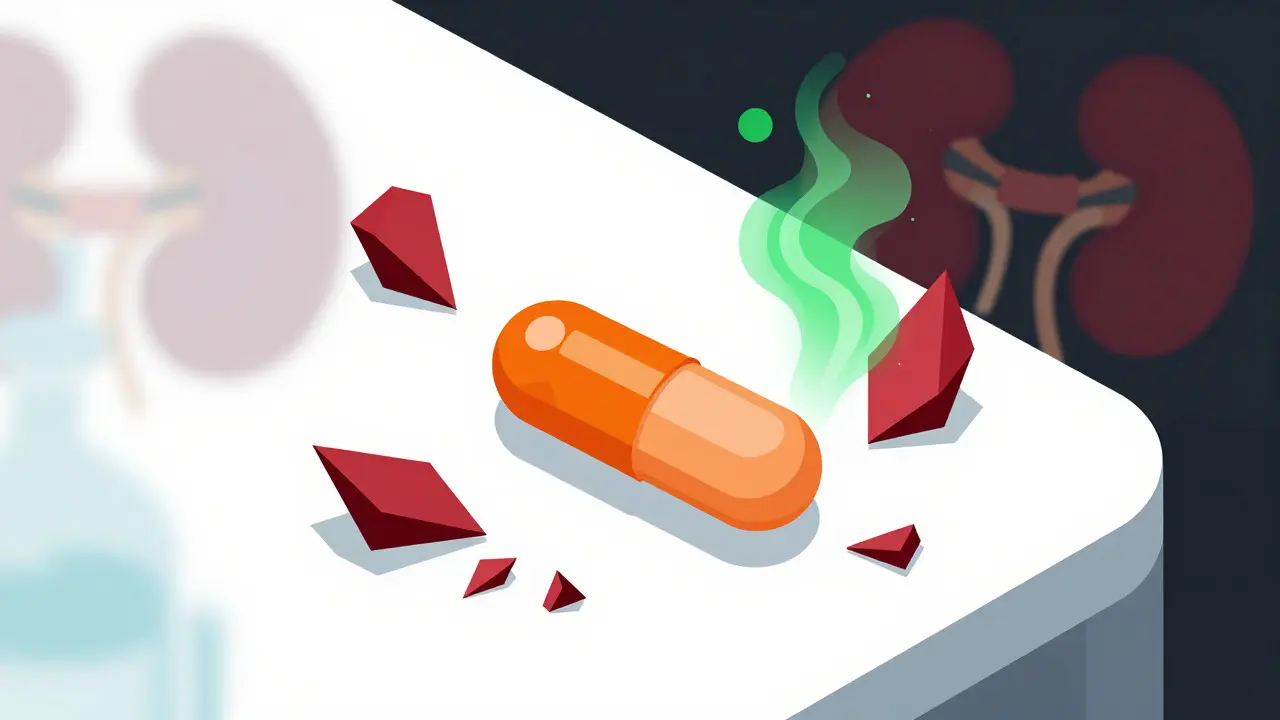
This is perhaps the most famous example of an expired drug becoming toxic. Tetracycline a class of antibiotics originally derived from Streptomyces bacteria degrades into compounds that cause renal tubular damage. The FDA issued warnings about this as early as 1963, and safety bulletins from Centerwell Pharmacy reaffirm this risk today. Taking expired tetracycline can lead to Fanconi syndrome, a rare kidney disorder that causes excessive loss of electrolytes and nutrients. Avoid using any leftover tetracycline from years ago; it is not just ineffective, it is harmful to your kidneys.
Liquid Antibiotics
Suspensions like amoxicillin liquid are mixed with water and preservatives to make them palatable for children. Once reconstituted, or even in their original liquid form, they are prone to bacterial contamination. The preservative systems fail over time. The FDA noted in a 2019 study that expired liquid antibiotics contributed to 12% of incomplete infection resolution cases. Using a contaminated liquid antibiotic introduces new pathogens while failing to kill the original infection, potentially worsening the condition and contributing to antimicrobial resistance.
Precise Dosing: Thyroid and Ophthalmic Medications
Some medications require microscopic precision. A small change in concentration can throw off your entire metabolic system or damage delicate tissues.
Thyroid Medications
Levothyroxine a synthetic thyroid hormone used to treat hypothyroidism regulates your metabolism. The therapeutic window-the range between effective and toxic-is very narrow. The American Thyroid Association notes that even a 10% reduction in potency, which can happen with expired formulations, triggers significant thyroid dysfunction in nearly 70% of patients with pre-existing conditions. Symptoms like fatigue, weight gain, and depression may return, but you might blame stress instead of recognizing the medication has failed.
Eye and Ear Drops
Your eyes and ears are sterile environments. Eye drops medicated solutions applied directly to the eye surface rely on preservatives to keep bacteria at bay once the bottle is opened. After expiration, these preservatives break down. The Cleveland Clinic’s ophthalmology division reported 17 cases of Pseudomonas keratitis-a serious corneal ulcer-infections linked directly to using expired eye drops. Similarly, ear drops can lead to otitis externa. If the solution looks cloudy, smells odd, or is past its date, toss it. The risk of blinding infection is not worth saving a few dollars.
| Medication Type | Primary Risk After Expiration | Potency Loss Estimate | Recommendation |
|---|---|---|---|
| Epinephrine Auto-Injectors | Treatment failure during anaphylaxis | ~15% per year | Replace exactly on expiration date |
| Nitroglycerin | Cardiac event untreated | 40-60% within 6 months post-expiry | Replace every 3-6 months after opening |
| Insulin | Uncontrolled blood sugar, aggregates | Up to 35% bioavailability loss | Discard 28 days after opening |
| Tetracycline | Kidney damage (toxicity) | N/A (Chemical transformation) | Never use expired tetracycline |
| Liquid Antibiotics | Bacterial contamination, resistance | Variable | Discard immediately after course ends |
| Albuterol Inhalers | Asthma attack unrelieved | 25-30% within 6 months post-expiry | Keep fresh backup; replace regularly |
Storage Secrets: Why Your Bathroom Cabinet Is the Enemy
Even if a medication hasn't technically expired, improper storage can render it useless-or dangerous-long before the date arrives. Heat and humidity are the two biggest enemies of pharmaceutical stability.
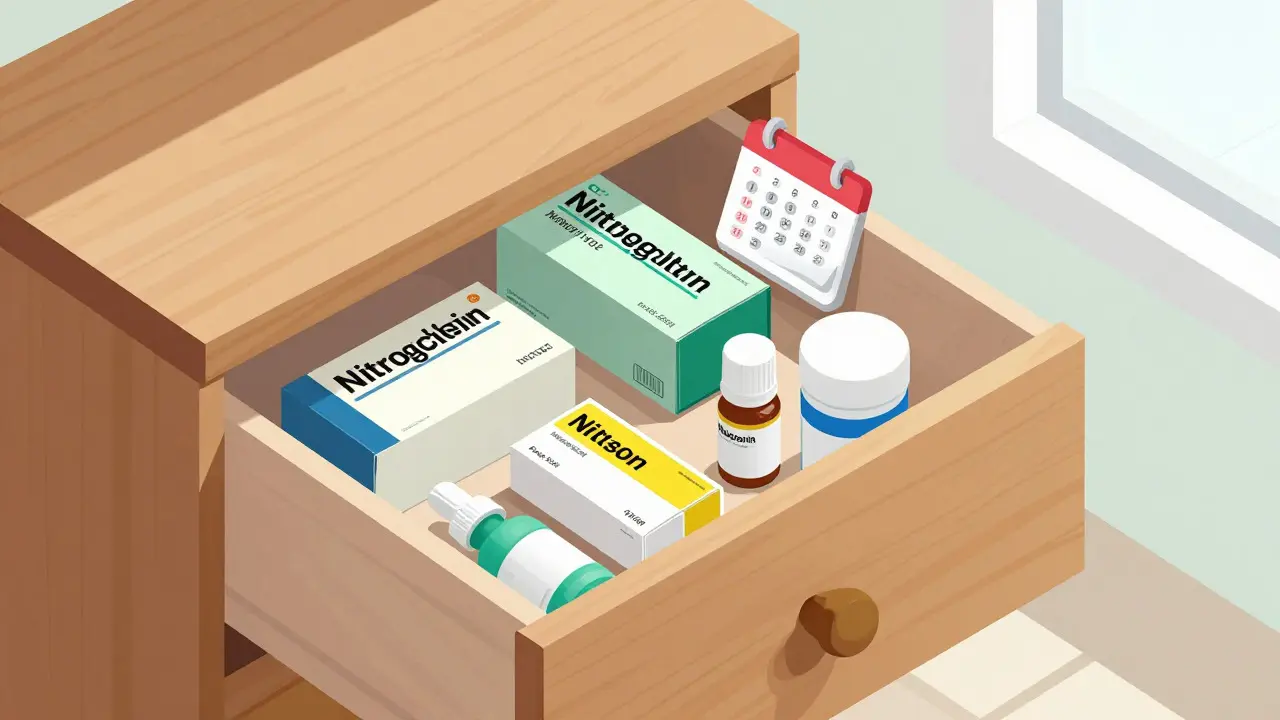
Cleveland Clinic research highlights that medications stored in bathroom cabinets degrade 2.3 times faster than those kept in bedroom dressers. Showers create steam, raising humidity levels that encourage chemical breakdown and microbial growth in liquids and creams. Keep your medicines in a cool, dry place away from direct sunlight. For insulin, follow manufacturer instructions regarding refrigeration versus room temperature storage carefully, as freezing can also destroy the protein structure.
Visual inspection is a useful first step but not a guarantee. As Centerwell Pharmacy advises, if a medicine appears cloudy, has changed color, smells different, or has an altered consistency, do not take it. However, remember that clear, normal-smelling expired drugs can still be chemically compromised. Don't trust your nose; trust the date.
Disposal: Protecting Yourself and the Environment
Once you decide a medication is expired, how you get rid of it matters. Flushing drugs down the toilet was once common advice for dangerous opioids, but environmental concerns have shifted the consensus. The U.S. Geological Survey found pharmaceutical compounds in 80% of U.S. waterways. While the DEA still recommends flushing specific high-risk controlled substances to prevent accidental ingestion, the preferred method for 99% of medications is a take-back program.
Look for local pharmacy drop-off bins or community collection events. The DEA’s National Prescription Drug Take Back Day collected over 900,000 pounds of unused medications in recent years. If no take-back option is available, mix the pills with an unappealing substance like used coffee grounds or cat litter, seal them in a container, and throw them in the household trash. Remove personal information from the prescription label before disposing of the container.
Summary of Actionable Steps
- Check Dates Monthly: Make it a habit to review your medicine cabinet once a month. Set phone reminders for expensive or critical items like insulin and EpiPens.
- Store Correctly: Move meds out of the bathroom. Use a drawer in a closet or bedroom instead.
- Know the "Never" List: Insulin, Nitroglycerin, Tetracycline, Liquid Antibiotics, Epinephrine, Albuterol, Eye/Ear Drops, and Levothyroxine must be replaced on time.
- Dispose Safely: Use take-back programs whenever possible to protect water supplies.
- Consult Professionals: When in doubt, ask your pharmacist. They can tell you if a specific brand or formulation is more stable than others.
Is it safe to take expired painkillers like ibuprofen or acetaminophen?
Generally, yes. Solid oral medications like ibuprofen and acetaminophen often retain their potency for years past expiration if stored properly. The FDA's Shelf Life Extension Program found that about 90% of tested drugs remained safe and effective up to 15 years later. However, they may not provide the full strength expected, so they aren't ideal for severe pain, but they are unlikely to be toxic.
Why does tetracycline become toxic when expired?
Tetracycline undergoes a chemical reaction called epimerization when it degrades, forming epitetracycline. This byproduct is nephrotoxic, meaning it damages the kidneys, specifically causing Fanconi syndrome. This unique toxicity makes it one of the few antibiotics that should absolutely never be used past its expiration date.
How long does insulin last after opening?
Most types of insulin should be discarded 28 days after opening, even if the expiration date on the vial is months away. Exposure to air and temperature fluctuations during daily use accelerates degradation. Check the specific manufacturer's leaflet, as some newer formulations may have different guidelines, but the one-month rule is a standard safety benchmark.
Can I store my medications in the refrigerator to extend their life?
Only if the label says so. Refrigeration is required for certain insulins, liquid antibiotics, and some eye drops. However, storing medications that don't need cold temperatures in the fridge can expose them to moisture and condensation, which can accelerate breakdown. Always follow the specific storage instructions on the package insert.
What happens if I accidentally take an expired antibiotic?
If it’s a tetracycline, seek medical advice due to kidney risks. For other antibiotics like amoxicillin, the main risk is treatment failure. The bacteria causing your infection may survive and multiply, potentially leading to a more resistant strain. If your symptoms don't improve or worsen, see a doctor immediately for a new prescription.
Are generic medications less stable than brand-name drugs?
No. Generic medications must meet the same FDA standards for safety, efficacy, and quality as brand-name drugs. This includes rigorous stability testing to determine expiration dates. You can trust the expiration date on a generic medication just as much as you would on the brand-name version.
Should I flush all expired medications down the toilet?
Not necessarily. The EPA and FDA recommend using drug take-back programs first. Flushing is reserved for specific medications with high abuse potential or immediate danger if ingested, such as certain opioids and fentanyl patches. For most other drugs, mixing them with undesirable substances like coffee grounds and sealing them in trash is the environmentally friendlier option if take-back isn't available.