Why Medication Reconciliation Matters After Hospital Discharge
Every year, thousands of patients face dangerous medication errors right after leaving the hospital. It's not because of bad doctors-it's often a simple oversight during the transition from hospital to home. Proper medication reconciliation is a formal process where healthcare providers compare a patient's current medication list with new prescriptions after hospital discharge to catch errors like omissions or harmful interactions can prevent these errors, reducing adverse drug events by up to 50% according to the Agency for Healthcare Research and Quality (AHRQ).
What Exactly Is Medication Reconciliation?
Medication reconciliation isn't just a checklist-it's a conversation. The National Quality Forum defines it as comparing your current medications (including prescriptions, over-the-counter drugs, vitamins, and supplements) with what doctors order during your hospital stay. This helps spot mistakes like forgetting a medication you were taking, adding a new drug that clashes with others, or incorrect dosing.
Think about it: if you take blood pressure pills, a heart medication, and daily aspirin, but the hospital stops your aspirin for surgery and forgets to restart it when you leave, that's dangerous. Or if they add a new antibiotic that interacts with your blood thinner. These errors happen more often than you'd think. A 2023 Medscape survey found 41% of patients were confused about their medication changes after discharge. For those on five or more medications, the risk of dangerous interactions skyrockets.
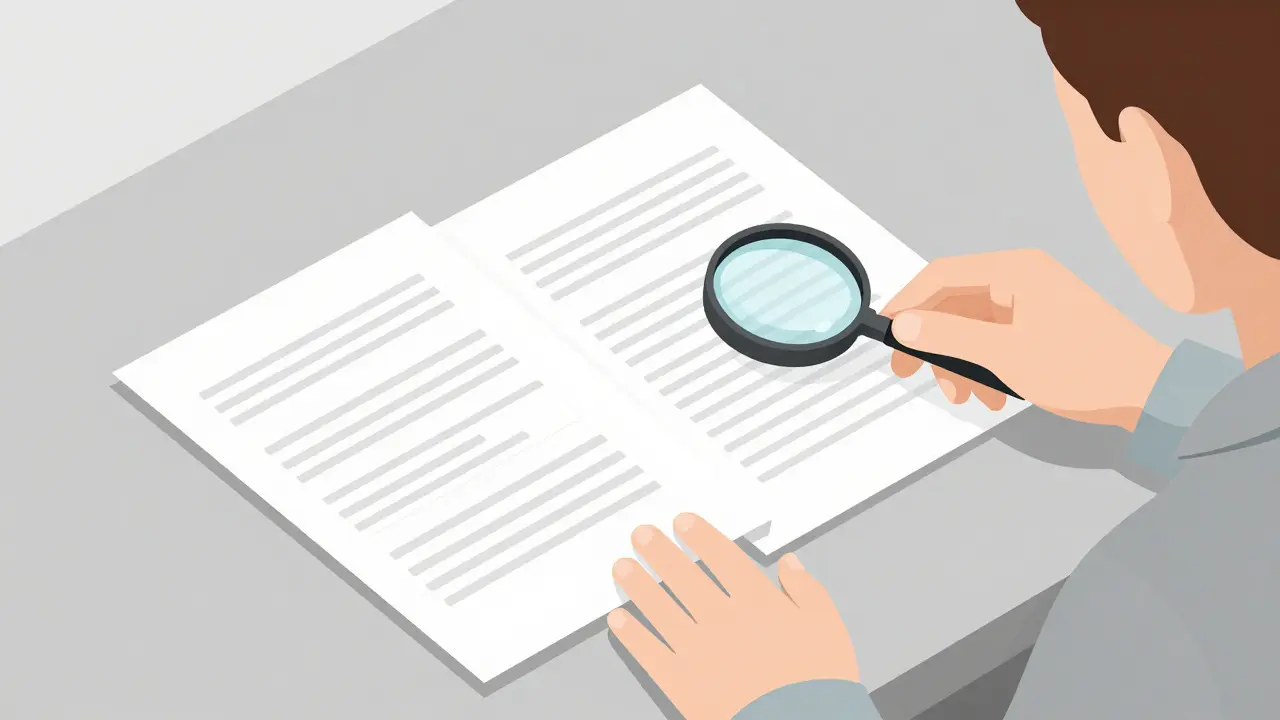
Your Step-by-Step Guide to Safe Medication Reconciliation
Step 1: Gather All Your Medications Before Hospitalization
Start by creating a complete list of everything you take. This includes:
- Prescription drugs (even if you take them every other day)
- Over-the-counter medicines (like Tylenol or heartburn pills)
- Vitamins and supplements (fish oil, vitamin D, herbal remedies)
- Topical creams or patches (like pain relief patches)
Don't forget to note the dose and how often you take each one. For example, "Aspirin 81 mg daily" or "Lisinopril 10 mg once a day". This list is your foundation. When you're admitted to the hospital, share this with the admitting team. A 2022 study showed that hospitals with complete admission medication lists had 68% fewer discharge errors related to omitted medications.
Step 2: Review Your Discharge Papers Carefully
When you leave the hospital, you'll get a discharge summary. This should list all medications you need to take at home. Compare this to your pre-hospital list. Look for:
- Medications that were stopped during hospitalization but should restart
- New medications added that weren't on your original list
- Dose changes (e.g., from 5 mg to 10 mg)
Pay special attention to medications you were taking before admission. A 2020 Journal of the American Geriatrics Society study found that 42.7% of discrepancies were omissions-medications that should have been continued but weren't. For example, a patient on warfarin (a blood thinner) might have had it paused before surgery but never restarted at discharge, leading to a preventable blood clot.
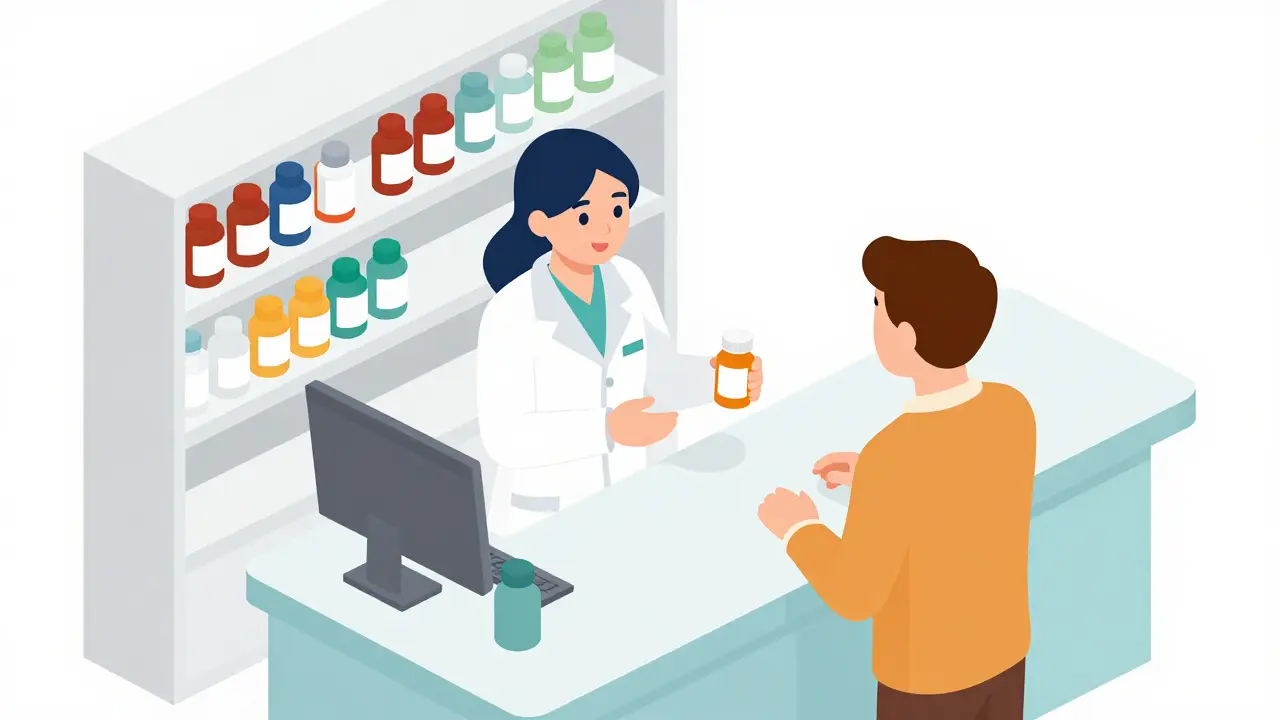
Step 3: Talk to Your Pharmacist
pharmacist are medication experts who specialize in interactions and safe use. When you pick up your first prescription after discharge, ask for a free consultation. They can:
- Check for dangerous interactions between new and old medications
- Explain how to take each drug correctly (e.g., "Take with food" or "Avoid sunlight")
- Identify if a medication was supposed to be continued but wasn't
Pharmacists have access to detailed drug interaction databases that doctors might not review in time. PipelineRx's 2021 study showed that pharmacist-led discharge counseling detects 92% of medication discrepancies. For instance, they might spot that a new antibiotic clashes with your blood thinner, increasing bleeding risk.
Step 4: Follow Up With Your Doctor Within 7 Days
Don't wait-schedule a follow-up appointment with your primary care doctor within a week of discharge. Bring your pre-hospital medication list and the discharge summary. Your doctor needs to:
- Verify all changes made during hospitalization
- Adjust medications based on your recovery progress
- Coordinate care with specialists if you see multiple doctors
Transitional Care Management (TCM) codes require doctors to see patients within 7-14 days post-discharge. A 2023 study found patients who saw their doctor within a week had 32% fewer readmissions due to medication issues. If you have multiple specialists, ensure they all have your updated medication list to avoid conflicting prescriptions.
Step 5: Create a Personal Medication List
Keep a simple, updated list of all your medications in your wallet or phone. Include:
- Drug name and dose
- Frequency (e.g., "twice daily")
- Purpose (e.g., "for high blood pressure")
- Special instructions (e.g., "take with food", "avoid grapefruit")
The American Society of Health-System Pharmacists (ASHP) recommends this list for every medical appointment. A 2022 CMS HCAHPS survey showed patients who carried a medication list had 29% higher comprehension of their treatment plan. For example, if you're taking metformin for diabetes, your list should say: "Metformin 500 mg, twice daily, for diabetes management".
Common Mistakes to Avoid
Even with a good process, errors slip through. Here's what to watch for:
- Forgetting non-prescription drugs: Herbal supplements like St. John's Wort can make blood thinners less effective. A 2021 study found 25% of medication errors involved unreported supplements.
- Assuming doctors know your full history: If you take a new medication for a short time (like antibiotics), don't assume it's still needed after discharge. Always confirm.
- Ignoring side effects: New symptoms like dizziness or nausea could signal an interaction. Contact your doctor immediately-don't wait for your follow-up.
Legacy Health's 2021 toolkit found ICU stays increase medication discontinuation risk by 2.3 times. If you were in intensive care, double-check all medications when you leave the hospital.
When to Contact Your Healthcare Team Immediately
Some situations need urgent attention:
- You notice unusual bruising, bleeding, or severe dizziness (could indicate a blood thinner interaction)
- Your medication doesn't seem to be working (e.g., high blood pressure readings despite taking pills)
- You're confused about how or when to take a medication
- You find a discrepancy between your discharge papers and what your pharmacy dispensed
For example, if your discharge papers say "warfarin 5 mg daily" but the pharmacy gives you "warfarin 10 mg", call your doctor right away. A 2023 Medscape survey showed 27% of patients with five or more medications experienced at least one potential interaction due to reconciliation failures. Don't ignore these red flags.
Frequently Asked Questions
What if I don't understand my discharge instructions?
Ask for clarification immediately. Hospitals are required to explain discharge instructions in plain language. If you're still confused, contact your pharmacist or primary care doctor. A CMS survey found only 58% of patients recalled clear medication instructions at discharge-so you're not alone. Don't hesitate to ask for a second explanation.
How do I check for drug interactions myself?
While free online tools like Drugs.com can help, they're not foolproof. Always consult a pharmacist for accurate checks. Pharmacists use specialized databases that update in real-time with new interaction data. For example, they can spot that taking certain antibiotics with warfarin increases bleeding risk by 30%. Never rely solely on internet searches-your healthcare team is your best resource.
What should I do if I notice a mistake in my discharge meds?
Contact your doctor or pharmacist immediately. For urgent issues (like missing a critical medication), call the hospital's discharge team. Non-urgent mistakes can be addressed at your follow-up appointment. Remember, catching errors early prevents hospital readmissions-2.3% of readmissions are due to medication reconciliation failures, according to Annals of Internal Medicine (2022).
How long after discharge should I see my doctor?
For Transitional Care Management (TCM) billing, you must be seen within 7-14 days. However, for safety, aim for within 7 days. Studies show this reduces readmissions by 32%. If you can't schedule a doctor's appointment, call your pharmacy-they can often help clarify medication instructions right away.
Can I trust my medication list from the hospital?
Hospital discharge lists have a 17.3% error rate, while patient self-report has 42.1% errors. Always verify with your pre-hospital list and a pharmacist. For example, Legacy Health's 2021 toolkit found that discharge summaries were the most reliable source compared to patient reports or pharmacy records. Don't assume the hospital's list is perfect-double-check everything.
Nancy Maneely
February 6, 2026 AT 07:36Wow, this "guide" is like the bare minimum. Seriously? Hospitals are still messing up med reconciliation? I mean, come on. Its 2024 and they cant get this right? I had to go through this myself after my moms surgery. They forgot her blood thinner and she almost had a stroke. What's the point of all these "steps" if they're just gonna ignore them? Its all about the money anyway. Hospitals care more about billing than patients. We need real change, not just another checklist. The system is broken, and its not just on the doctors. Its the whole healthcare industry. They're all in it for the profit. Im so tired of this crap. Its like they dont even care. How hard is it to check meds? Its not rocket science. But no, they just keep making the same mistakes. Im done. This countrys healthcare is a joke. We need to fix this now. Its embarrassing. Every time I hear about another med error, I just want to scream. Its all preventable. Why dont they do it? Because its cheaper not to. They'd rather risk lives than spend the time. Its sickening. I hope someone reads this and does something. But knowing the system, nothing will change. They'll just keep repeating the same mistakes. Im so angry right now.
Phoebe Norman
February 6, 2026 AT 13:59this is why medication reconciliation is critical post discharge the literature shows that without proper reconciliation there is a significant risk of adverse drug events its not just about the list its about the process the National Quality Forum defines it as a comparison between current meds and new prescriptions omissions and duplications are common a 2023 Medscape survey found 41% of patients confused about changes for polypharmacy patients the risk is exponentially higher must involve pharmacists in the process they catch 92% of discrepancies the key is communication between all parties without it errors happen its a systemic issue
Danielle Vila
February 7, 2026 AT 20:16This whole medication reconciliation thing is a scam. Hospitals and big pharma are in cahoots to keep us dependent on meds. They make you take all these drugs then mess up the reconciliation so you have to keep going back. They want you addicted. I heard from a friend who works in the hospital they have a quota for prescribing certain meds. It's all about the money. They don't care about you. They just want to make more profit. You should always double-check everything. Don't trust the doctors. They're in on it. I've seen it happen. They'll give you a new med and then say it's not needed later. It's all a scheme. Always get a second opinion. Don't let them control your health. It's a conspiracy.
Thorben Westerhuys
February 8, 2026 AT 01:00I can't believe how dangerous this is! Every single time I hear about medication errors after discharge, it makes me so upset! It's so important to have a clear list, right? Like, you have to check every single pill! And the pharmacist! They're the real experts! Why don't hospitals just let them do it? It's ridiculous! I had a friend who almost died because of a mix-up! It's so scary! You have to be vigilant! Don't trust anyone! Double-check everything! It's your life!
Laissa Peixoto
February 8, 2026 AT 11:33Medication reconciliation is more than just paperwork; it's about human dignity. Each pill represents a choice, a trust in the system. But when errors happen, that trust shatters. It's not just about the drugs; it's about the people behind them. The system fails when we reduce healthcare to a transaction. We need to see patients as partners, not just cases. A simple list can prevent so much pain. But until we address the root causes-like time constraints and poor communication-this will keep happening. It's not the doctors' fault; it's the system. We must do better.
Cullen Bausman
February 8, 2026 AT 18:19This country's healthcare system is failing. Medication errors are unacceptable. We need stricter regulations. Hospitals must follow protocols. No excuses. Patients deserve better. This is a national disgrace. It's time to act. No more mistakes. Accountability is key. We must fix this now.
Cole Streeper
February 8, 2026 AT 20:25This is all part of the government's plan to control our health. They want us dependent on meds so they can monitor us. The hospitals are in on it. They're not helping us; they're harming us. You need to fight back. Don't trust the system. Check everything yourself. They're lying to you. It's a conspiracy. Always verify with multiple sources. Don't let them win.
Dina Santorelli
February 8, 2026 AT 21:44Ugh, this is why I hate hospitals. Every time I go, they mess up my meds. It's so frustrating. They never listen. I had to fight just to get my prescription right. It's always the same story. They don't care about patients. Just money. I'm so done with this system. It's broken. Why do they even have these guidelines if they don't follow them? It's all a joke. I'm so tired of it.
Lisa Scott
February 10, 2026 AT 12:51Always check with a pharmacist. No exceptions.
Tehya Wilson
February 11, 2026 AT 12:07Medication reconciliation is essential post discharge. Errors occur due to poor communication. Pharmacists are critical in this process. They identify discrepancies. Always consult them. It's a simple step that saves lives.
Albert Lua
February 12, 2026 AT 10:15In my culture, family plays a big role in healthcare. We always double-check meds together. It's not just about the patient; it's about the whole family. Different cultures have different ways of handling meds. We need to respect that. Hospitals should have translators and cultural liaisons. It's not just medical; it's cultural. We need to bridge that gap. It's about respect and understanding. Always involve the family in the process. It makes a huge difference.
Katharine Meiler
February 13, 2026 AT 15:37Medication reconciliation requires a multidisciplinary approach. Pharmacists, nurses, and physicians must collaborate. The discharge summary must be comprehensive. Polypharmacy patients are at highest risk. A structured process reduces errors. We must standardize protocols. It's not just about the list; it's about the system. Collaboration is key. Always verify with the pharmacist.
Rene Krikhaar
February 14, 2026 AT 14:31I've seen so many patients struggle with meds after discharge. It's heartbreaking. Always have a pharmacist review. They catch so many mistakes. It's simple but so important. You're not alone. Reach out for help. It's okay to ask questions. Your health is worth it. Take it step by step. You got this.
Carl Crista
February 14, 2026 AT 15:30The hospitals are hiding something. They don't want you to know how many errors happen. It's all about the money. They want you to keep coming back. They'll tell you it's safe but it's not. Always check with a second source. The system is rigged. They're not helping you; they're exploiting you. Don't trust them. Verify everything yourself. It's a conspiracy. Always be suspicious.
Dr. Sara Harowitz
February 16, 2026 AT 03:07This is why we need better healthcare! Hospitals are failing patients every day! Medication errors are unacceptable! You must be vigilant! Always check with your pharmacist! Don't trust the doctors! They're not doing their job! It's your responsibility to protect yourself! This is a national crisis! We need action now! Don't let them get away with it! It's your life on the line!