Every year, millions of people around the world take generic medications because they’re affordable and effective. But what if the pill you just swallowed wasn’t real? Counterfeit generics aren’t just poor imitations-they’re dangerous. They might contain no active ingredient at all, or worse, toxic chemicals that can wreck your liver, trigger allergic reactions, or make infections worse. In 2024, over 6,400 cases of fake drugs were uncovered globally, and the numbers keep climbing. This isn’t a problem that only happens in distant countries. It’s in your neighborhood pharmacy, your online order, and even in packages shipped from overseas that slipped through customs.
What Exactly Are Counterfeit Generics?
Generic drugs are supposed to be exact copies of brand-name medications-same active ingredient, same dosage, same effectiveness. They’re approved by regulators like the FDA and EMA after proving they work just as well. Counterfeit generics are fake. They look real. They come in the same packaging. But they’re made in secret labs, often in Asia or Eastern Europe, with no oversight. Some contain only a fraction of the needed medicine. Others have completely wrong chemicals-like rat poison, chalk, or industrial dyes. In Africa, up to 70% of some medications are estimated to be fake. In the U.S., fake versions of Ozempic, Botox, and erectile dysfunction pills have been found in pharmacies and online stores.
The worst part? You won’t know unless you check. A counterfeit Ozempic pen might look identical to the real one. The box has the same logo, the same barcode, even the same hologram. But inside? The liquid might be watered down or missing the semaglutide entirely. That means no weight loss. No blood sugar control. Just wasted money and rising health risks.
How Do These Fakes Get Into the Market?
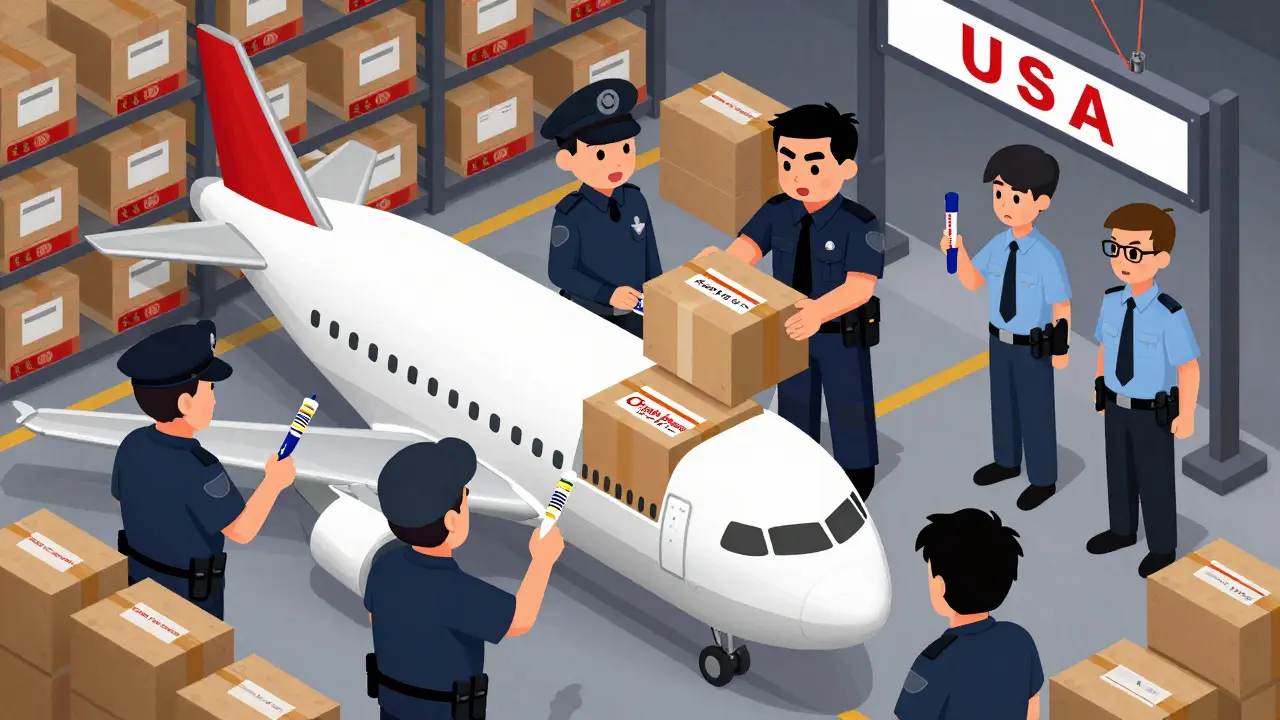
Counterfeit drugs don’t show up in your medicine cabinet by accident. They’re smuggled, shipped, and sold through broken supply chains. Criminal networks use fake websites that look like legitimate pharmacies. They post on Instagram, Facebook, and Telegram. Some even run ads promising “discounted Ozempic from Canada.” But those sites don’t have physical addresses. They don’t require prescriptions. And 89% of them are illegal, according to the FDA.
Even legitimate-looking pharmacies can be compromised. In August 2025, an Iowa pharmacy was fined $25,000 for selling fake Ozempic. That’s not a small-time operation. That’s a pharmacy with a license, shelves, and pharmacists-yet still sold counterfeit drugs. The problem is worse with bulk imports. Between September 2023 and January 2025, over 2,400 shipments of weight-loss drugs like semaglutide entered the U.S. for inspection. Nearly 200 of them were allowed in anyway, even though they came from unapproved sources.
What Medications Are Most Often Faked?
Not all drugs are targeted equally. Criminals go after high-demand, high-profit medications. The most common fake generics include:
- Weight-loss drugs: Ozempic, Wegovy, Mounjaro, and other semaglutide or tirzepatide products. These are expensive and in high demand, making them perfect targets.
- Erectile dysfunction pills: Viagra, Cialis, and their generics. These are often sold without prescriptions, making them easy to fake and distribute.
- Antibiotics: Amoxicillin, azithromycin, and others. Fake antibiotics don’t kill infections-they let them grow stronger, fueling antibiotic resistance.
- Painkillers: Ibuprofen, acetaminophen, and opioids. Some contain no pain relief at all. Others have deadly substitutes like fentanyl.
- Psychiatric and hormonal drugs: SSRIs, birth control pills, thyroid meds. Taking a fake version can cause severe mood swings, hormonal imbalances, or even organ damage.
In 2025, Colombia’s health agency found fake versions of cancer drugs like Yervoy and Opdivo. That’s not just dangerous-it’s life-threatening.
How to Spot a Fake Medication
You can’t always tell by looking. But there are signs that should raise red flags:
- Spelling errors: Misspelled words on the label, wrong capitalization, or strange punctuation.
- Wrong packaging: The box feels flimsy. The color is slightly off. The logo looks blurry or misaligned.
- Unusual tablets: If the pill is a different color, shape, or size than what you’ve taken before-stop. Even if the packaging is perfect, the medicine inside might be wrong.
- No expiration date: Legitimate drugs always have one. If it’s missing, walk away.
- Unlicensed sellers: If the website doesn’t show a physical address, a license number, or a phone number, it’s fake.
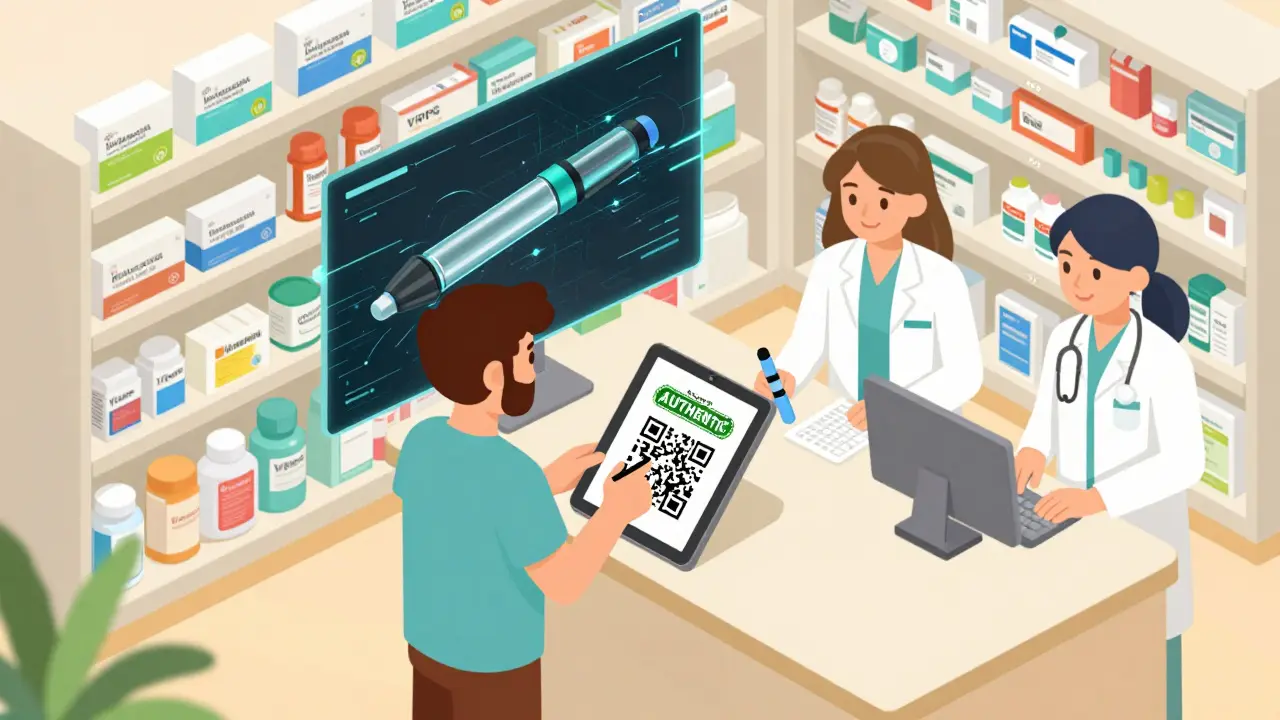
For high-risk drugs like Ozempic, use manufacturer tools. Novo Nordisk’s “Verify Your Pen” system lets you scan a code on the pen to check authenticity. In Q3 2025, over 2 million scans were done-and 1.8% were flagged as fake. That’s 36,000 potentially dangerous pens blocked before they reached patients.
Where to Buy Safely
Never buy prescription drugs from social media, pop-up ads, or websites that don’t require a prescription. Instead, stick to:
- State-licensed pharmacies: Look for the VIPPS seal (Verified Internet Pharmacy Practice Sites). It’s a mark of legitimacy.
- Brick-and-mortar pharmacies: Your local pharmacy is your safest bet. Pharmacists can check batch numbers and alert you to recalls.
- Pharmacies affiliated with hospitals or major chains: CVS, Walgreens, and other large networks have strict supply chain controls.
If you’re buying online, check the pharmacy’s license through your state’s board of pharmacy website. In Australia, you can verify through the Therapeutic Goods Administration (TGA). In the U.S., use the NABP’s VIPPS database. If the site won’t show you their license, don’t buy.
What to Do If You Suspect a Fake
If you think you’ve been sold a counterfeit drug:
- Stop taking it. Even one dose can cause harm.
- Save everything: Keep the packaging, the pills, the receipt, and any emails or screenshots from the seller.
- Report it: In the U.S., file a report with the FDA’s MedWatch program. In Australia, contact the TGA. In Europe, use the EMA’s reporting portal.
- Call the manufacturer: Pfizer, Novo Nordisk, and other companies have hotlines to report counterfeits. Pfizer’s Anti-Counterfeiting Hotline is 1-800-593-5685.
- See your doctor: If you’ve taken the fake drug, tell your provider. They may need to run tests or adjust your treatment.
Don’t wait. Fake drugs don’t just fail to work-they can cause irreversible damage. In Nigeria, counterfeit malaria treatments led to liver failure in multiple patients. In South Africa, police seized R2.2 million worth of fake meds in 2025, including insulin and antibiotics that had already reached local clinics.
Why This Problem Is Getting Worse
Counterfeiters are getting smarter. They’re using AI to design fake packaging that matches real products down to the font and color. They’re copying security features like holograms and QR codes. Some even replicate the smell of the medicine. The International Federation of Pharmaceutical Manufacturers & Associations says incidents rose 38% between 2020 and 2024. And with telemedicine booming, more people are ordering drugs online without ever seeing a doctor.
Regulators are fighting back. The EU now requires safety features on all prescription packaging. India mandates QR codes on drug containers. Blockchain tracking is reducing counterfeits by 22% in pilot programs. But only 32% of pharmacies in low-income countries have access to verification tools. That means the people who need safe medicine the most are the most at risk.
What You Can Do Right Now
Protecting yourself doesn’t require a degree in pharmacology. Just follow these steps:
- Only buy from licensed pharmacies. Whether online or in person, check their credentials.
- Know your drug. If your generic looks different, ask your pharmacist why.
- Use verification tools. Scan QR codes, check serial numbers, use manufacturer apps.
- Never buy without a prescription. If a site sells Ozempic without one, it’s fake.
- Report suspicious products. One report can stop a shipment, shut down a website, or save a life.
The fight against counterfeit drugs isn’t just for governments or manufacturers. It’s yours too. Every time you verify a pill, report a fake, or refuse to buy from a shady site, you help protect others. Because when it comes to your health, there’s no such thing as a good deal on a fake medicine.
How can I tell if my generic medication is real?
Check the packaging for spelling errors, mismatched logos, or poor print quality. Compare the pill’s color, size, and markings to previous batches from a trusted pharmacy. Use manufacturer verification tools like Novo Nordisk’s “Verify Your Pen” for weight-loss drugs. If you’re unsure, call the pharmacy or contact the drugmaker directly.
Are online pharmacies ever safe?
Only if they’re verified. Look for the VIPPS seal in the U.S. or the TGA accreditation in Australia. Avoid any site that doesn’t require a prescription, doesn’t list a physical address, or offers drugs at prices that seem too good to be true. If you can’t find their license online, don’t buy.
What should I do if I took a fake medication?
Stop taking it immediately. Contact your doctor to discuss possible side effects or treatment gaps. Save all packaging and receipts. Report the incident to your country’s health authority-like the FDA in the U.S. or the TGA in Australia. If you suspect a counterfeit, also notify the manufacturer’s anti-counterfeiting hotline.
Why are counterfeit drugs more common in some countries?
Weak regulation, poor supply chain oversight, and limited access to verification tools make some regions more vulnerable. The WHO estimates 1 in 10 medicines in low- and middle-income countries are substandard or falsified, compared to 1 in 100 in high-income countries. Criminal networks exploit these gaps, shipping fakes through unmonitored ports and online channels.
Can counterfeit drugs cause long-term health problems?
Yes. Fake antibiotics can lead to drug-resistant infections. Fake insulin can cause dangerous blood sugar swings. Fake cancer drugs can allow tumors to grow unchecked. Even fake painkillers can contain toxic chemicals that damage your liver or kidneys. The effects aren’t always immediate, but they can be permanent.
Is it true that fake Ozempic is a big problem right now?
Yes. In 2025, U.S. Customs intercepted multiple shipments of fake Ozempic from Asia, and a pharmacy in Iowa was fined for selling them. Novo Nordisk reported over 36,000 suspected counterfeit pens were flagged through their verification system in just one quarter. Many people report no weight loss or blood sugar improvement after using fake versions, putting their health at risk.
Ryan W
January 26, 2026 AT 04:42Let me get this straight - we’re letting foreign labs pump out fake Ozempic like it’s cheap candy, and our regulators are too busy sipping lattes to do anything? This isn’t a ‘public health issue,’ it’s a national security failure. If a Chinese factory can outmaneuver the FDA, we’ve already lost the war. And don’t even get me started on how these scams exploit the poor who can’t afford brand-name drugs. Pathetic.
Rakesh Kakkad
January 27, 2026 AT 18:55It is imperative to note that counterfeit pharmaceuticals represent a systemic failure in global supply chain governance. The absence of harmonized regulatory standards across jurisdictions permits the proliferation of substandard medicinal products. One must scrutinize the provenance of all pharmaceuticals, especially those procured via digital intermediaries, as the absence of traceability protocols renders patient safety an illusion.
Nicholas Miter
January 27, 2026 AT 20:40I’ve been buying my generic metformin from a local pharmacy for years. Never had an issue. But I do check the batch number sometimes - just because. I remember one time the pill looked a little lighter than usual, so I called the pharmacy. Turned out it was a new supplier. They gave me a full refund and apologized. Just don’t buy from Instagram. Seriously. That’s how people get hurt.
Suresh Kumar Govindan
January 29, 2026 AT 11:57The FDA is complicit. The same agencies that approve these drugs are the ones who greenlight imports from countries with zero oversight. This is not negligence - it’s policy. The pharmaceutical-industrial complex profits from this chaos. You think they want you healthy? They want you dependent. And they’re happy to sell you poison if it keeps you coming back.
George Rahn
January 29, 2026 AT 14:18We’ve turned medicine into a commodity - and like every commodity, it’s been commodified into a hollow shell of its former self. The pill you swallow is no longer a promise of healing - it’s a gamble with your biology. And we, the consumers, have been conditioned to accept this as normal. We trade dignity for discount. We trade safety for savings. And then we wonder why our bodies betray us.
Karen Droege
January 29, 2026 AT 23:48My mom took a fake blood pressure med last year - thought it was from her usual online pharmacy. She ended up in the ER with a stroke. No one believed her until we pulled the packaging. The logo was off by 0.5mm. That’s it. That’s how they get you. Now I scan every bottle. I’ve started a little group with my neighbors - we share verification tips. If you’re reading this and you take meds? Do the same. It’s not paranoia - it’s survival.
Shweta Deshpande
January 31, 2026 AT 22:27I just want to say - I’m so glad this article exists. I’ve been scared to buy my insulin online ever since I heard about the fake ones in India. I used to order from this one site because it was cheap, but now I drive 45 minutes to my local pharmacy just to be safe. It’s a pain, but my life is worth it. If you’re thinking about saving a few bucks - please don’t. Your body isn’t a budget item. You’re worth the extra cost. And if you can’t afford it, talk to your doctor - there are patient assistance programs. You’re not alone.
Sally Dalton
February 2, 2026 AT 03:57okay so i just got my new ozempic pen and the box looked a little weird? like the font was slightly off? i was like maybe im just tired but then i scanned the code and it said FAKE. i almost cried. i’ve been on this for 8 months and i finally started losing weight. i called the pharmacy and they were like ‘oh we ordered from a new distributor’ - NOPE. not happening. i’m filing a report right now. if you see something weird - trust your gut. your life is not a gamble.
Shawn Raja
February 4, 2026 AT 01:33So we’re telling people to only buy from CVS and Walgreens now? Cool. Meanwhile, the same corporations that own those pharmacies are also the ones who lobby against stricter import laws. You think they care if you get fake meds? They care if you keep buying. This whole system is rigged. The only real solution? Nationalize pharmaceuticals. Or at least make them public utilities. Until then, we’re all just rats in a lab with a price tag.
Dan Nichols
February 5, 2026 AT 07:19Everyone’s freaking out about Ozempic fakes but no one talks about how 90% of antibiotics sold in rural clinics are substandard. That’s the real silent killer. People die from sepsis because their amoxicillin is just sugar pills. But hey - at least your weight loss drug might be fake. Priorities.
Renia Pyles
February 5, 2026 AT 22:12Oh wow, another ‘be careful’ article. Meanwhile, the FDA approved 200+ shipments of semaglutide from unverified sources last year. And you want me to trust ‘verified’ pharmacies? Please. They’re all connected. The system is corrupt. I stopped taking all meds. Let the body heal itself. Natural remedies. No more corporate poison.
Josh josh
February 7, 2026 AT 15:07just got my generic viagra from a legit site and the pill was pink instead of blue. i thought i was crazy until i checked the batch and it was flagged. i was like ‘wait did i just take a placebo?’ then i called the pharma co and they sent me a free replacement. point is - if it looks weird, ask. no shame. your dick is worth it.
bella nash
February 8, 2026 AT 05:30The proliferation of counterfeit pharmaceuticals constitutes an epistemological crisis in modern medicine. If the patient cannot discern authenticity, then trust in the therapeutic contract dissolves. The ontological security of the body is contingent upon the integrity of the object ingested. To consume a counterfeit is to surrender autonomy to an opaque, profit-driven apparatus.
Curtis Younker
February 9, 2026 AT 11:02Look, I’ve been a pharmacist for 27 years. I’ve seen fake insulin, fake chemo, fake birth control. The worst part? The people who buy them don’t even know they’re fake until it’s too late. I’ve had patients come in with liver failure because they thought their ‘discount’ metformin was real. I tell my kids - if it’s too cheap, it’s too dangerous. And if you’re buying meds off a Telegram group? You’re not saving money. You’re gambling with your life. And I’m not being dramatic. I’ve seen the autopsies.
Allie Lehto
February 10, 2026 AT 03:58you know what’s worse than fake meds? people who think ‘natural remedies’ are the answer. i had a friend take turmeric instead of her thyroid med. she went into myxedema coma. we almost lost her. fake drugs are bad - but false hope is worse. please just check your pills. scan the code. call your pharmacist. don’t be a hero. your health isn’t a blog post.