You wake up with your ear throbbing. Pulling the outer flap sends a jolt of pain through your head. You might have been swimming recently, or perhaps you just cleaned your ears too hard. This painful inflammation of the outer ear canal is known as Otitis Externa, commonly called swimmer's ear, an infection affecting the skin lining the external auditory canal. Unlike middle ear infections, this happens right in the tunnel leading to your eardrum.
What Exactly Is Otitis Externa?
This condition targets the skin of your ear canal. When moisture gets trapped, the natural acidic environment of the ear-which usually sits between pH 5.0 and 5.7-gets disrupted. Without that acidity, bacteria can thrive. Approximately one in ten Americans deals with this annually according to CDC estimates. It isn't just a nuisance; severe cases can spread to the bone if left untreated, though that is rare. The core goal is stopping the infection quickly so you don't face complications like chronic infections that last beyond three months.
Why It Happens: Triggers and Causes
Most people blame water for this issue, and they are partly right. But water is just the vehicle. When you swim, you wash away the protective earwax, also known as cerumen. This wax acts as a sealant and barrier. Once it's gone, the skin inside gets soggy and inflamed. From there, microbes jump in. Research shows Pseudomonas aeruginosa causes about 35% to 54% of bacterial cases. Another common culprit is Staphylococcus aureus, found in roughly 20% of infections.
You might trigger it yourself without realizing it. Using cotton swabs creates tiny scrapes in the delicate skin. These micro-abrasions become entry points. People with eczema or psoriasis in the ear canal are also at higher risk. If you wear hearing aids or earbuds frequently, you trap moisture against the skin, creating a perfect breeding ground for trouble.
Spotting Severity Levels
Not every case is the same. Your treatment depends heavily on how bad the swelling is. In mild cases, you feel itchiness and mild discomfort, but the ear canal remains open. About 45% of patients fall here. Moderate cases involve partial blockage due to swelling. If you reach severe levels, the canal closes completely. You might have intense pain, swollen lymph nodes in the neck, and even a fever above 101°F. Severe occlusion requires professional cleaning because drops simply cannot penetrate the thick swelling.
Drops That Actually Work
When choosing medication, you have a few paths. For straightforward bacterial infections, acetic acid solutions work well. These are available over the counter. A 2% acetic acid solution combined with hydrocortisone achieves an 85% success rate in mild cases. It restores the ear's natural pH balance. However, if your doctor prescribes something stronger, fluoroquinolone-based drops like ciprofloxacin paired with dexamethasone are the gold standard. Clinical trials show they resolve 92% of moderate to severe cases within a week.
Avoid aminoglycoside-based drops like neomycin if your eardrum might be perforated. While they are cheap, they carry a 5% to 7% risk of contact dermatitis and can damage hearing if the eardrum is broken. Fungal infections, known as otomycosis, require different drops entirely, such as clotrimazole. Acetic acid does not cure established fungal issues effectively, so misdiagnosis wastes days of healing time.
| Treatment Type | Efficacy Rate | Best For | Risks |
|---|---|---|---|
| Acetic Acid + Steroid | 85% | Mild Cases | Irritation |
| Fluoroquinolone Drops | 92% | Moderate/Severe Cases | Cost ($147) |
| Antifungal Solutions | 93% | Fungal Infections | Specific Target Only |
| Systemic Antibiotics | Low Benefit | Complicated Spreads | Side Effects |
How to Apply Drops Correctly
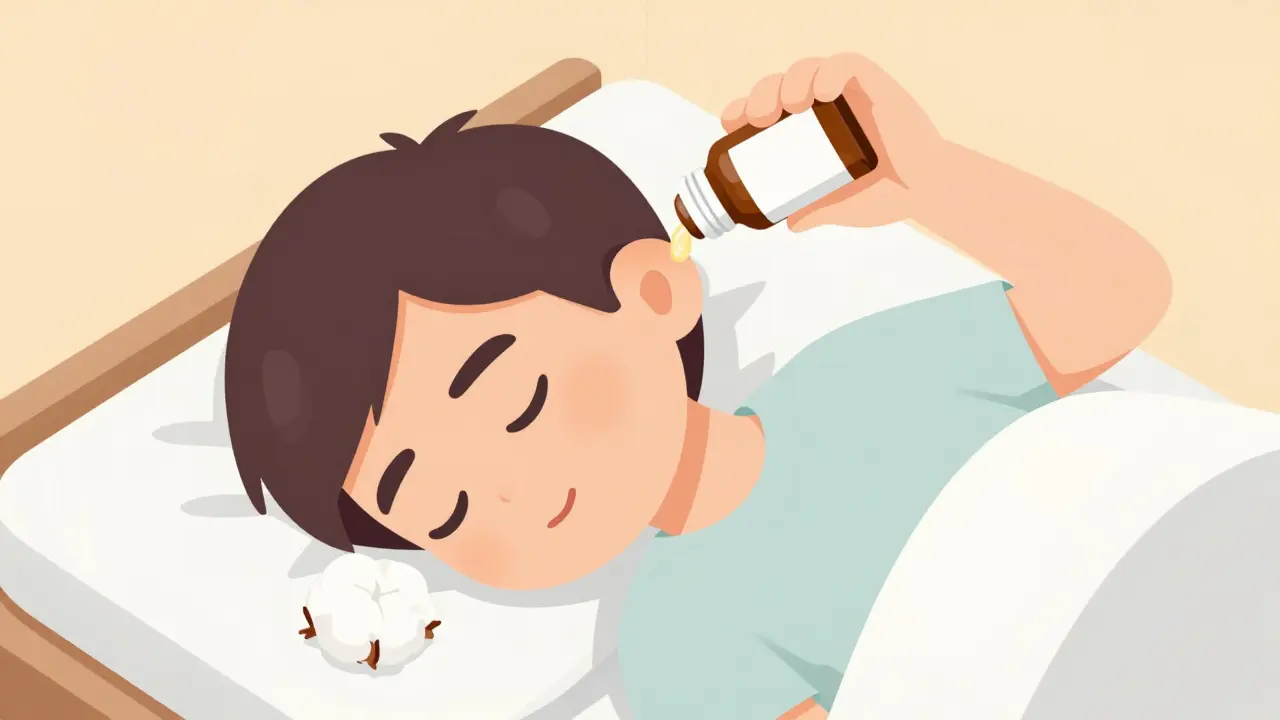
Applying the medication is tricky. If you get the position wrong, you throw money away. Studies indicate that 32% of users apply drops incorrectly. To fix this, warm the bottle in your hands for a minute so the liquid isn't cold. Lie down with the infected ear facing the ceiling. Put the drops in, then stay still for five minutes. Tilting your head up immediately lets the medicine run out before it heals the tissue. Do not put cotton deep inside. Instead, place a loose plug at the very opening to catch overflow. If your canal is fully blocked, your doctor might pack it with a wick. This sponge absorbs moisture and holds the medicine inside.
Preventing Future Flare-ups
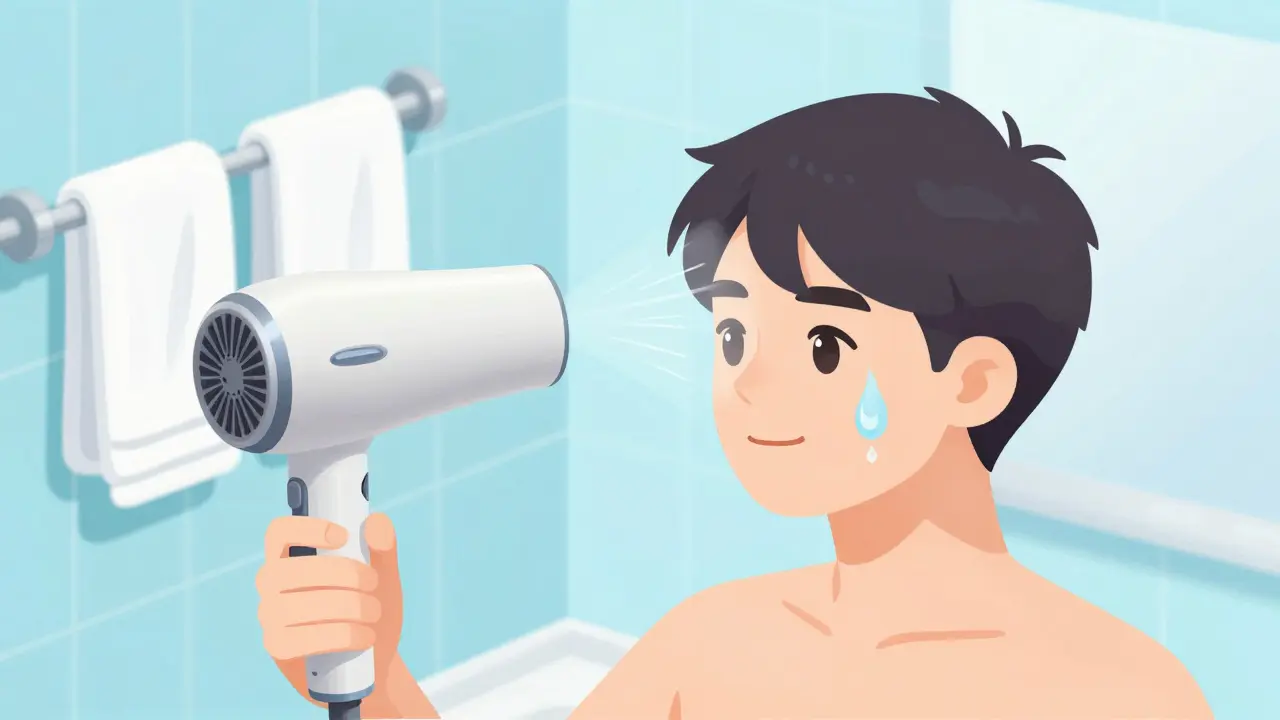
Once you recover, you want to keep the peace. Dry your ears thoroughly after showering. You can tilt your head to each side. Using a hair dryer on the cool setting helps evaporate moisture. Some people use acetic acid sprays after swimming as a preventative measure. This reduces recurrence risk significantly. Avoid inserting objects like keys or cotton buds into your ear canal. Let your earwax do its job of protecting the skin.
When to See a Specialist
If you have diabetes or a weakened immune system, take immediate action. Complications happen faster in these groups, occurring in 5% to 10% of cases among diabetics. If your pain spikes after two days of using drops, stop and call your provider. You might have developed an ear wick obstruction or a deeper infection requiring different management. Telemedicine is becoming a viable option for diagnosis, allowing video exams without waiting room delays. Doctors report high accuracy rates during these virtual checks.
Managing Costs and Access
Prescription drops can cost upwards of $147 for a single bottle without insurance. Generic options like ofloxacin average around $45. Over-the-counter options are cheaper, often under $20, but may take longer to work. Weigh the speed of recovery against the price tag. Many pharmacies offer coupons for brand-name antibiotics that bring the cost down significantly. Always discuss financial constraints with your pharmacist; they often know about lower-cost alternatives that are equally effective.
Can swimming cause otitis externa?
Yes, swimming traps moisture in the ear canal. This water removes protective wax and allows bacteria to grow. Drying your ears thoroughly after swimming reduces this risk.
Are antibiotic drops safe for everyone?
Most drops are safe, but aminoglycoside types can harm hearing if the eardrum is perforated. Tell your doctor if you have ever had a hole in your eardrum or ear surgery.
How long does treatment usually last?
Mild cases often heal in 7 days with consistent drop use. Severe cases might need up to two weeks. Always finish the full course of medication even if pain stops early.
What should I avoid during recovery?
Avoid swimming, flying, and inserting anything into the ear. Keep the ear dry and do not scratch the infected area, as this worsens the inflammation.
Can children get swimmer's ear?
Children aged 7 to 12 have high incidence rates. Their ear canals are smaller, making them more prone to moisture retention. Watch for tugging at the ear or irritability as signs.
Cullen Zelenka
April 1, 2026 AT 02:08I really appreciate seeing this information put together so clearly for everyone. Dealing with ear infections is incredibly annoying when you just want to swim. Knowing about the pH balance of the ear makes me understand why drops work better than just waiting. It is always good to know which bacteria are common causes beforehand. Hopefully people read this before things get bad. Stopping the infection early saves so much trouble later on.
I will definitely dry my ears more after showering now. Thanks for sharing this detailed breakdown.
Molly O'Donnell
April 2, 2026 AT 02:25Don't touch your ears with cotton swabs.
Eleanor Black
April 2, 2026 AT 15:51I would like to begin by stating that ear health is a vital component of overall wellness that we often neglect until acute pain arises. The disruption of the natural acidic environment in the ear canal serves as a primary gateway for bacterial colonization and subsequent inflammation. When moisture becomes trapped within the canal during swimming activities, the protective layer of cerumen is compromised significantly. Without this wax barrier, the skin becomes macerated and vulnerable to pathogens such as Pseudomonas aeruginosa. We must recognize that pain in the outer ear flap indicates a serious issue requiring immediate medical attention rather than home remedies alone. The differentiation between mild and severe occlusion of the ear canal dictates the necessary course of treatment plan. Acetic acid solutions work wonderfully for restoring pH balance but are ineffective against fungal overgrowth issues. Fluoroquinolone drops offer superior efficacy rates but come with a higher price point that many patients find prohibitive. It is crucial to mention the risk associated with aminoglycoside drops causing permanent hearing damage if the tympanic membrane has holes. Proper application technique involves warming the bottle and lying down to ensure retention of medication within the canal. Neglecting to keep the ear dry during recovery often leads to recurrence of the painful condition described in the original post. Individuals with diabetes or weakened immune systems face substantially higher risks of complications spreading beyond the ear canal. Telemedicine offers a convenient option for diagnosis but requires high-quality video resolution for accurate visual assessment. Cost barriers remain a significant hurdle for accessing specialized prescription treatments despite their proven track record. Ultimately, preventative measures like using hair dryers on cool settings can drastically reduce future flare-ups of otitis externa.
Cara Duncan
April 2, 2026 AT 17:24This is so helpful 🙏 Glad someone made a guide for us 😊 My friends always struggle with this 👂 Keep sharing good tips 🌟
Christopher Beeson
April 3, 2026 AT 14:02The modern individual lacks discipline in basic hygiene protocols leading to these avoidable biological failures. Society ignores simple mechanics of human anatomy at its peril while relying on expensive pharmaceutical interventions. People blame water yet they wash away nature's own defenses with reckless abandon daily. True understanding requires accepting responsibility for environmental exposure management.
Sharon Munger
April 4, 2026 AT 16:57good info here i liked the cost breakdown part especially. we should look at what works best for our budget sometimes money matters alot yes i agree with the warning about neomycin though
Arun Kumar
April 4, 2026 AT 17:48Your insights here are extremely valuable for maintaining community health standards globally. As someone who mentors younger members on self-care habits, I encourage everyone to prioritize drying techniques. We learn that simple changes like avoiding q-tips can prevent massive medical bills later in life. Knowledge shared freely helps us all navigate healthcare decisions with greater confidence and clarity today.
James DeZego
April 6, 2026 AT 05:09Great post 👍 Did you know ciprofloxacin works fastest 🔬 Always finish the full course 💪 Stay healthy everyone 🛡️
Jenny Gardner
April 6, 2026 AT 14:11!!! Yes, absolutely!!! The pH balance is key!!! Don't forget the temperature!!! Warm the bottle!!! It really does help!!! Thank you for posting!!!
Rocky Pabillore
April 7, 2026 AT 07:05Most common folk do not realize the sophistication required to manage otologic hygiene properly. They simply scrub and ignore the biology at play beneath the surface. The elite understand that prevention is superior to costly remediation strategies. Ignorance remains the true enemy of health preservation.
Owen Barnes
April 7, 2026 AT 12:15totally agrre with u but peolpe shd remmberearwax isnt bad evrythng. i thnk waxes proteck us frum germss in d canal. so we dont wipe it alwayz. jus be carefull with water.
Russel Sarong
April 9, 2026 AT 01:36The sheer intensity of the pain involved here is truly terrifying to contemplate!!! Many individuals underestimate the severity of untreated cases!!! You must act fast before it spreads!!! Ignoring signs leads to disaster!!! Please take this seriously!!! Do not delay seeking professional help!!!
Callie Bartley
April 9, 2026 AT 16:52Eh whatever another medical blog nobody reads fully anyway. Pain sucks but doctors make us pay way too much for drops. Ugh so annoying having to clean ears properly constantly.
Rod Farren
April 10, 2026 AT 02:31The pathophysiology of otitis externa involves maceration of the epidermis secondary to excessive humidity. Clinicians observe increased virulence of Pseudomonas in moist environments facilitating biofilm formation. Pharmacological intervention requires consideration of ototoxicity profiles within the local tissue microenvironment. Systemic absorption through inflamed mucosa remains minimal compared to direct topical administration.
Julian Soro
April 11, 2026 AT 23:52I hope everyone recovering finds relief soon because ear pain is really tough. Having the right drops makes a huge difference in how fast you bounce back. Remember to talk to your doctor about costs if insurance is tricky for you. It is great to see practical tips on applying the drops correctly too. Good luck getting those infections cleared up completely without any return.