Imagine you are standing in a pharmacy aisle, holding two boxes that look nearly identical. One is the brand-name drug you’ve been taking for years. The other is a generic version. But here’s the twist: there are actually two types of generics competing for your prescription, and they don’t always play by the same rules. Understanding the difference between authorized generics and first-to-file generics isn’t just academic-it directly impacts what you pay at the counter and how much money the healthcare system saves.
When a brand-name drug loses its patent protection, the market doesn’t just open up all at once. It unfolds in stages, driven by complex laws like the Hatch-Waxman Act. This article breaks down the cost differences, the competitive dynamics, and why the presence of an authorized generic can lower prices more than a traditional first-to-file generic alone.
The Basics: What Are These Two Types of Generics?
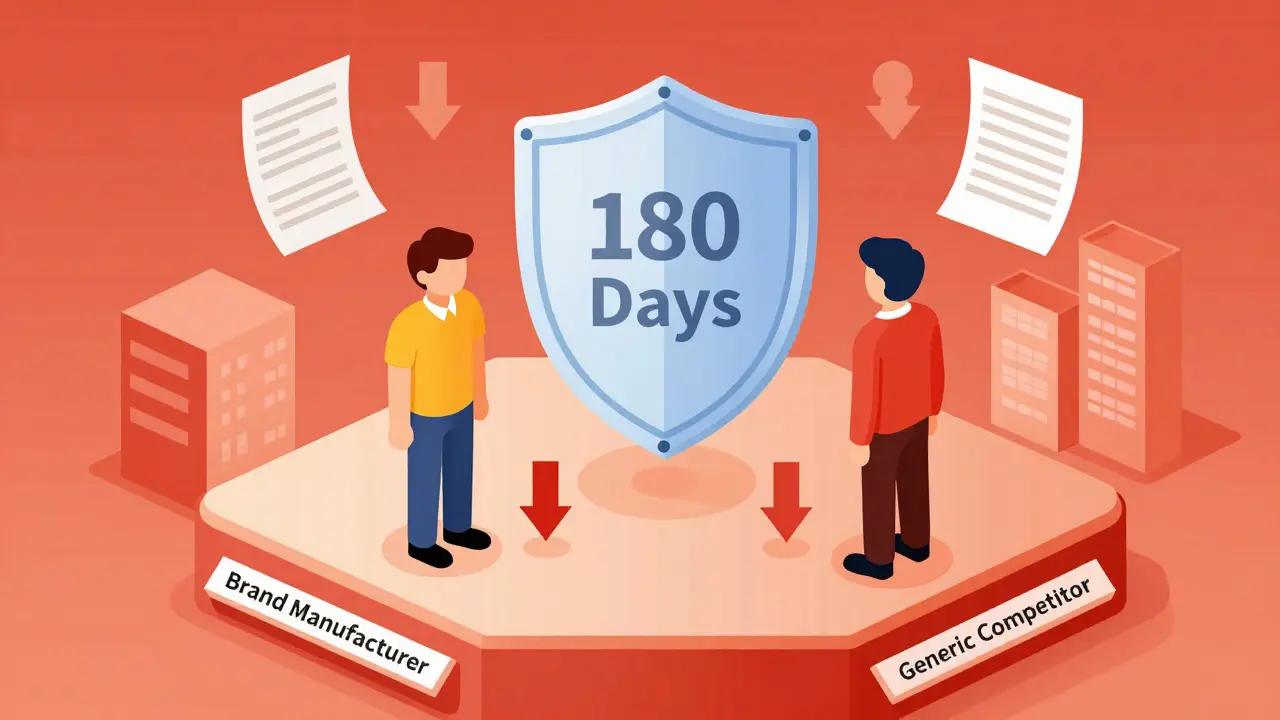
To understand the price war, we first need to define the players. An authorized generic (AG) is a drug manufactured by the original brand-name company but sold under a different name, often without the brand logo or packaging. Think of it as the brand manufacturer deciding to sell their own product at a discount, bypassing their own premium branding. Because it’s made by the brand owner, it uses the same New Drug Application (NDA) and doesn’t need to prove bioequivalence from scratch.
On the other hand, a first-to-file generic is produced by a separate pharmaceutical company that was the first to submit an Abbreviated New Drug Application (ANDA) to the FDA. These companies invest heavily in proving their version is bioequivalent to the brand drug. In return for this risk and investment, the Food and Drug Administration (FDA) grants them 180 days of marketing exclusivity. During this window, no other generic competitors can enter the market-except, crucially, authorized generics.
How Market Structure Drives Prices Down
The real question isn’t just which drug is cheaper, but how the structure of competition affects the final price tag. The Federal Trade Commission (FTC) has studied this extensively, identifying two main market scenarios: ANDA-only markets (where only the first-to-file generic exists) and ANDA+AG markets (where both compete).
In an ANDA-only market, the first-to-file generic has a temporary monopoly. While still significantly cheaper than the brand, they have less pressure to slash prices. According to the FTC’s 2011 report, retail prices in these markets average about 14% below the brand-name price. However, when an authorized generic enters the mix during that 180-day exclusivity period, the dynamic shifts dramatically. The added competition forces prices down further, with retail discounts increasing to approximately 18% below the brand price.
| Market Scenario | Retail Price Discount | Wholesale/Pharmacy Acquisition Discount |
|---|---|---|
| ANDA-Only (First-to-File Generic Only) | ~14% below brand price | ~20% below brand price |
| ANDA + AG (Authorized Generic Enters) | ~18% below brand price | ~27% below brand price |
The gap widens even more when looking at wholesale costs. Pharmacy acquisition costs drop by 20% in ANDA-only markets but reach 27% below brand prices when an authorized generic competes. That 7 percentage point difference represents significant savings for insurers and pharmacy benefit managers (PBMs).
The Impact on First-to-File Revenues
While consumers and pharmacies see lower prices, the first-to-file generic manufacturer sees a sharp decline in revenue. The FTC’s 2013 report highlighted that authorized generic competition during the 180-day exclusivity period reduces the first-filer’s revenues by 40% to 52%. This isn’t a short-term blip; the revenue impact persists for up to 30 months after the exclusivity period ends.
You might wonder if this financial hit discourages generic companies from challenging patents in the first place. After all, the 180-day exclusivity period can be worth hundreds of millions of dollars. Dr. Robin Feldman, a pharmaceutical policy expert, notes the high stakes involved. However, the FTC found no evidence that the threat of authorized generics measurably reduced the number of patent challenges by generic firms. The incentive to break the brand monopoly remains strong enough to outweigh the potential revenue loss from an AG entry.
Long-Term Price Trajectories and Competitor Numbers
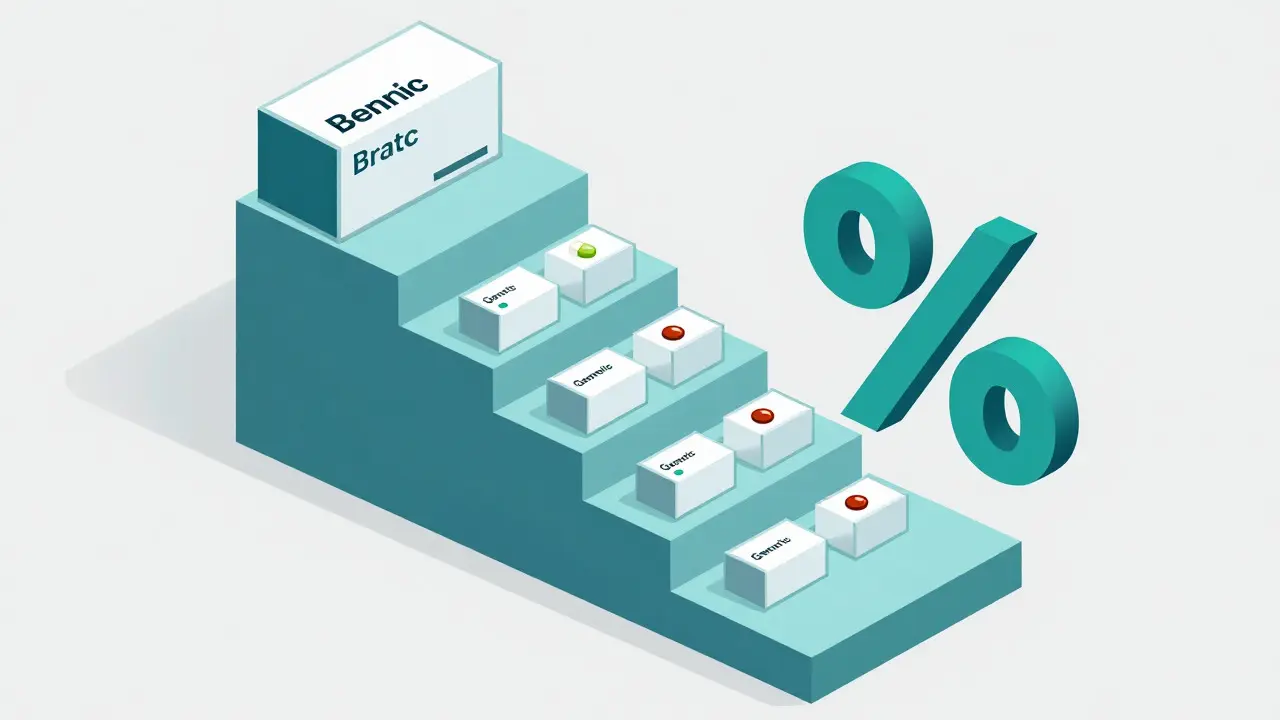
The story doesn’t end with the first two competitors. As more generic manufacturers enter the market, prices continue to plummet. The FDA’s 2019 analysis provides a clear picture of this downward trend based on the Average Manufacturer Price (AMP):
- Single Generic Producer: Prices are 39% lower than the brand AMP.
- Two Competitors (e.g., First-to-File + AG): Prices drop 54% below the brand AMP.
- Four Competitors: Prices fall 79% below the brand AMP.
- Six or More Competitors: Price reductions exceed 95% compared to pre-generic brand prices.
This data illustrates why the early stage of generic entry is critical. The jump from one to two competitors yields a massive additional discount (from 39% to 54%). Once the market saturates with multiple generic producers, the drug becomes extremely affordable, often costing 80% to 85% less than the original brand counterpart.
Strategic Considerations for Brand Manufacturers
Why would a brand manufacturer launch an authorized generic? It seems counterintuitive to cannibalize your own premium sales. The strategy often ties into patent litigation settlements. By launching an AG, the brand company can capture some of the generic market share that would otherwise go entirely to the first-to-file competitor. This creates a strategic trade-off: the generic firm benefits from exclusivity profits, while the brand firm benefits from delaying full generic competition and maintaining some revenue stream.
However, this strategy carries risks. The Supreme Court’s 2013 decision in FTC v. Actavis increased scrutiny on patent settlement terms that might stifle competition. Additionally, not all authorized generics succeed long-term. Research published in Health Affairs in 2023 noted that about 20% of authorized generics launched between 2010 and 2014 had no sales in Medicare data after five years, suggesting variable market viability.
Regulatory Efficiency and Future Trends
The landscape for generic approvals is evolving. The FDA’s Generic Drug User Fee Amendments (GDUFA), implemented in 2012 and reauthorized through 2022, have streamlined the approval process. First-cycle approval rates jumped from around 20% to approximately 66%, reducing time to market by about 13 months. This efficiency lowers the capitalized costs for generic applicants by an estimated $3.5 million per application.
Faster approvals mean more generic competitors can enter the market sooner, potentially reducing the relative advantage of being the "first-to-file." Commissioner Alvaro Bedoya of the FTC emphasized in 2022 that the agency remains vigilant about anti-competitive practices, ensuring that authorized generics serve as genuine competitors rather than tools to delay access.
Conclusion: Who Benefits Most?
For patients and payers, the presence of authorized generics generally means better deals during the critical early months of generic availability. The FTC’s analysis confirms that consumers benefit from the greater discounting that accompanies added competition. While first-to-file generics face significant revenue pressures, the overall system maintains sufficient incentives for innovation and patent challenges. As regulatory processes become more efficient, we can expect continued downward pressure on drug prices, benefiting the broader healthcare ecosystem.
Are authorized generics cheaper than first-to-file generics?
Yes, typically. When an authorized generic enters the market during the 180-day exclusivity period, it increases competition, driving retail prices down by an additional 4-8% and wholesale prices by 7-14% compared to markets with only the first-to-file generic.
What is the 180-day exclusivity period?
It is a marketing privilege granted by the FDA to the first generic manufacturer to file an ANDA and challenge the brand drug's patent. During these 180 days, no other generic competitors can enter the market, except for authorized generics marketed by the brand owner.
Do authorized generics reduce incentives for generic companies to challenge patents?
According to the FTC, there is no measurable evidence that authorized generic competition has reduced the number of patent challenges by generic firms. Despite the revenue impact on first-to-file manufacturers, the incentives to break brand monopolies remain strong.
How much do generic drugs save compared to brand names?
Generic drugs generally range from 80% to 85% lower in cost compared to their brand counterparts. Within five years of the first generic entry, prices average about 70% less than pre-generic brand-name prices, with savings exceeding 95% when six or more competitors enter the market.
Why would a brand manufacturer sell an authorized generic?
Brand manufacturers may launch authorized generics to capture some of the generic market share that would otherwise go entirely to independent generic competitors. This strategy is often part of patent litigation settlements, allowing the brand to maintain some revenue while delaying full generic competition.