Imagine the doorbell rings. You open it, and standing there are federal investigators with clipboards, ready to scrutinize every corner of your factory floor. For managers running generic drug manufacturing facilities, this isn't a horror movie scenario-it's business as usual. The U.S. Food and Drug Administration (FDA) doesn't just take your word for it that your pills are safe; they come to look.
If you are preparing for an inspection, whether it is routine or triggered by a new product application, knowing what happens behind closed doors can mean the difference between a smooth approval and a costly shutdown. The stakes are high. We are talking about patient safety, regulatory compliance, and the bottom line. This guide breaks down exactly how the FDA inspects these facilities, what they look for, and how you can ensure your site passes with flying colors.
The Framework: Current Good Manufacturing Practices (CGMP)
Before we talk about the inspectors, we need to talk about the rulebook. Every inspection is grounded in Current Good Manufacturing Practices (CGMPs), specifically mandated by 21 CFR Part 211. These regulations are not suggestions; they are the legal minimum standards for manufacturing pharmaceutical products in the United States.
When the FDA arrives, they aren't guessing. They are checking if your operations align with these specific codes. The core philosophy here is "state of control." Can you prove that your process consistently produces a drug that meets its specifications? If you cannot demonstrate this through data and documentation, you fail, regardless of how good the final pill looks.
The FDA uses a risk-based model to decide who gets inspected and when. This means facilities making high-risk drugs, those with past issues, or those responding to consumer complaints get priority. However, even low-risk sites face routine surveillance inspections to maintain their registration status.
Types of Inspections You Might Face
Not all inspections are created equal. Understanding which type you are facing helps you prepare the right team and documents. There are generally four primary types:
- Routine Surveillance Inspections: These happen periodically to check ongoing compliance. The frequency depends on your facility's risk profile and history.
- Pre-Approval Inspections (PAIs): Triggered when you submit an application to sell a new generic product. The goal is to verify that the information in your application matches reality at the site.
- For-Cause Inspections: These are reactive. They happen after a whistleblower tip, a spike in adverse event reports, or quality failures detected during routine monitoring.
- Follow-Up Inspections: Conducted after a previous inspection found significant violations, to verify that corrective actions have been implemented.
For most generic manufacturers, PAIs and Routine Surveillances are the most common hurdles. In a PAI, the FDA has three critical questions: Is the site ready for commercial manufacturing? Is the submitted information consistent with site records? Is the information complete and accurate?
The 6-System Risk-Based Approach
During the inspection, FDA investigators don't wander aimlessly. They follow a structured methodology known as the 6-System approach. This framework ensures they cover all critical aspects of your operation without getting lost in minor details.
Here is how the six systems break down:
- Quality System: This is always assessed. It includes your Quality Control Unit, Standard Operating Procedures (SOPs), and deviation handling.
- Facilities & Equipment: Are your buildings clean? Is your equipment qualified and maintained?
- Materials: How do you handle raw materials? Are suppliers qualified?
- Production: Is the manufacturing process validated? Are batch records complete?
- Packaging & Labeling: Does the label match the approved application? Is packaging error-proofed?
- Laboratory Control: Are analytical methods validated? Is data integrity maintained?
In a typical routine inspection, the Quality System is reviewed in depth, along with two or more other systems. In a PAI, the focus shifts heavily toward Production and Laboratory Controls to verify the specific product being applied for.
| Inspection Type | Primary Focus | Key Documents Reviewed | Outcome Goal |
|---|---|---|---|
| Routine Surveillance | Ongoing CGMP Compliance | SOPs, Deviation Reports, Training Records | Maintain Registration Status |
| Pre-Approval (PAI) | Verification of Application Data | Batch Records, Validation Protocols, Stability Data | Approve New Product Listing |
| For-Cause | Specific Allegations/Complaints | Investigation Reports, Complaint Logs | Determine Root Cause & Penalty |
What Investigators Actually Look For
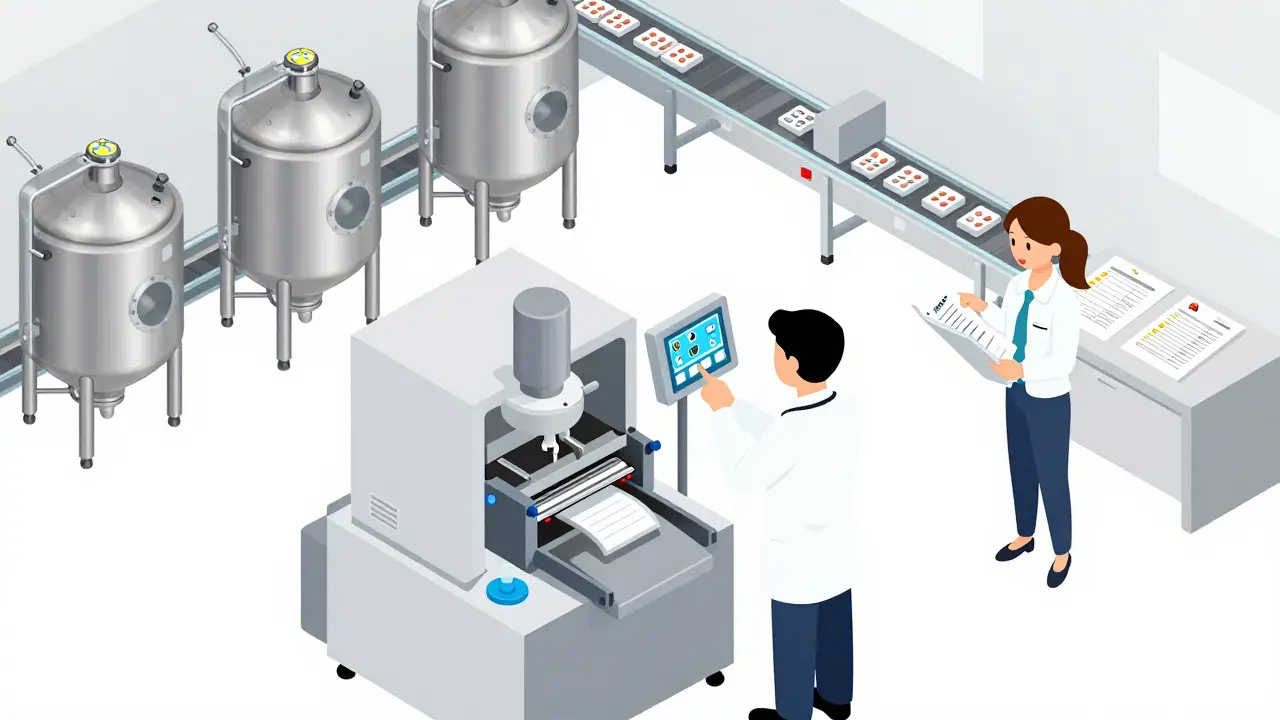
You might think the FDA just checks if the factory is clean. While cleanliness matters, the real scrutiny is on data and processes. Investigators spend hours reviewing deviation reports, non-conformance reports, and stability profiles.
They want to see a mature quality culture. Do you investigate deviations deeply, or do you just close them out quickly? If a batch fails testing, how did you handle it? Did you quarantine the material? Did you notify the FDA if required?
Data integrity is a massive red flag area. With electronic systems becoming standard, the FDA trains investigators to spot signs of data manipulation. They will check audit trails in your Laboratory Information Management System (LIMS). If they see deleted entries or unauthorized changes, it raises immediate suspicion of fraud.
For PAIs, they cross-reference your application with physical evidence. If your application says you use a specific granulation method, they will watch the machine run. If your stability protocol says samples are stored at 25°C, they will check the temperature logs for the storage room. Any mismatch is a deficiency.
The Verdict: Form FDA 483 and Beyond
The inspection ends with a closing meeting, but the paperwork continues. If the inspector finds violations, they issue Form FDA 483. This document lists observations in order of significance, citing specific regulations like 21 CFR 211.22(a) for lack of a proper quality control unit.
Receiving a 483 is not the end of the world-more than 90% of inspections find acceptable compliance, but many still generate minor observations. However, you have only 15 business days to provide a voluntary written response. This response must outline your corrective actions and timelines.
After you respond, the FDA conducts a compliance review. They consider the severity of the violation, the potential for patient harm, and your company's history. If they disagree with your response or deem the violation serious, they may issue a Warning Letter. This is a public notice that can halt sales and damage your reputation.
Recently, the FDA finalized guidance in June 2025 allowing for Post-Warning Letter Meetings (PWLMs). This gives manufacturers a clearer pathway to discuss findings and negotiate remediation plans, rather than facing a black box of regulatory silence.

Preparing for Success: The PreCheck Program
Why wait for the inspection to find problems? The FDA launched the PreCheck program in 2024 to help manufacturers avoid pitfalls early. This initiative allows companies to seek FDA feedback during critical development stages, such as facility design and pre-production.
By submitting a Type V Drug Master File (DMF) with detailed layouts and quality system descriptions, you can get insight into whether your planned operations meet cGMP requirements before you build. This proactive approach reduces the risk of major deficiencies during the actual inspection.
Industry experts recommend maintaining a permanent state of inspection readiness. Designate a space for the inspection team, ensure all areas are GMP-compliant at all times, and conduct mock inspections internally. Train your staff to answer questions honestly and concisely. Remember, the subtle interplay between equipment, processes, and controls tells the story of your facility's readiness.
Frequently Asked Questions
How long does an FDA inspection typically last?
The duration varies widely based on the facility size and inspection type. A routine surveillance inspection might take 3 to 5 days, while a complex Pre-Approval Inspection (PAI) for a new generic drug can last 2 to 4 weeks. For-cause inspections depend on the scope of the allegations.
What happens if I receive a Form FDA 483?
You must submit a written response within 15 business days. Your response should address each observation, explain the root cause, and detail the corrective actions taken or planned. Failure to respond adequately can lead to a Warning Letter or further enforcement actions.
Can the FDA inspect foreign manufacturing facilities?
Yes, the FDA inspects foreign facilities that manufacture drugs for the U.S. market. These inspections follow the same CGMP standards. However, logistical challenges and international relations can sometimes delay or limit the frequency of these visits compared to domestic sites.
What is the role of the Quality Control Unit in an inspection?
The Quality Control Unit (QCU) is central to CGMP compliance (21 CFR 211.22(a)). The FDA verifies that the QCU has the authority to approve or reject materials and products, reviews all test results, and maintains accurate records. A weak QCU is often cited as a major deficiency.
How does the PreCheck program benefit generic manufacturers?
The PreCheck program allows manufacturers to receive FDA feedback during facility design and construction phases. This helps identify potential cGMP issues early, reducing the risk of costly redesigns and inspection failures later. It promotes a partnership approach rather than purely adversarial regulation.
What is considered a "critical finding" by the FDA?
Critical findings are conditions that could lead to serious health consequences for patients, such as contamination, incorrect potency, or data falsification. These often result in immediate enforcement actions, including import alerts, warning letters, or injunctions against production.