You just brought your baby home. The sleep is terrible, the house is a mess, and you feel like you're failing at everything. But then it hits you: you don't feel joy. You feel heavy, empty, or maybe angry for no reason. Is this normal? Or is something deeper going on?
Here’s the hard truth: about 1 in 7 new mothers experiences postpartum depression (PPD). It’s not just "baby blues," which fade after two weeks. PPD lingers, steals your energy, and can make bonding with your child feel impossible. And if you’re a dad? You’re not off the hook-up to 10% of fathers deal with it too.
The confusion often starts with hormones. Everyone says, "It’s just your hormones settling." But science tells a more complex story. Yes, your body goes through a massive chemical shift after birth. But that drop doesn’t automatically cause depression for everyone. So what actually triggers it? And more importantly, how do you fix it without sacrificing your ability to care for your newborn?
The Hormonal Rollercoaster: What Actually Happens After Birth
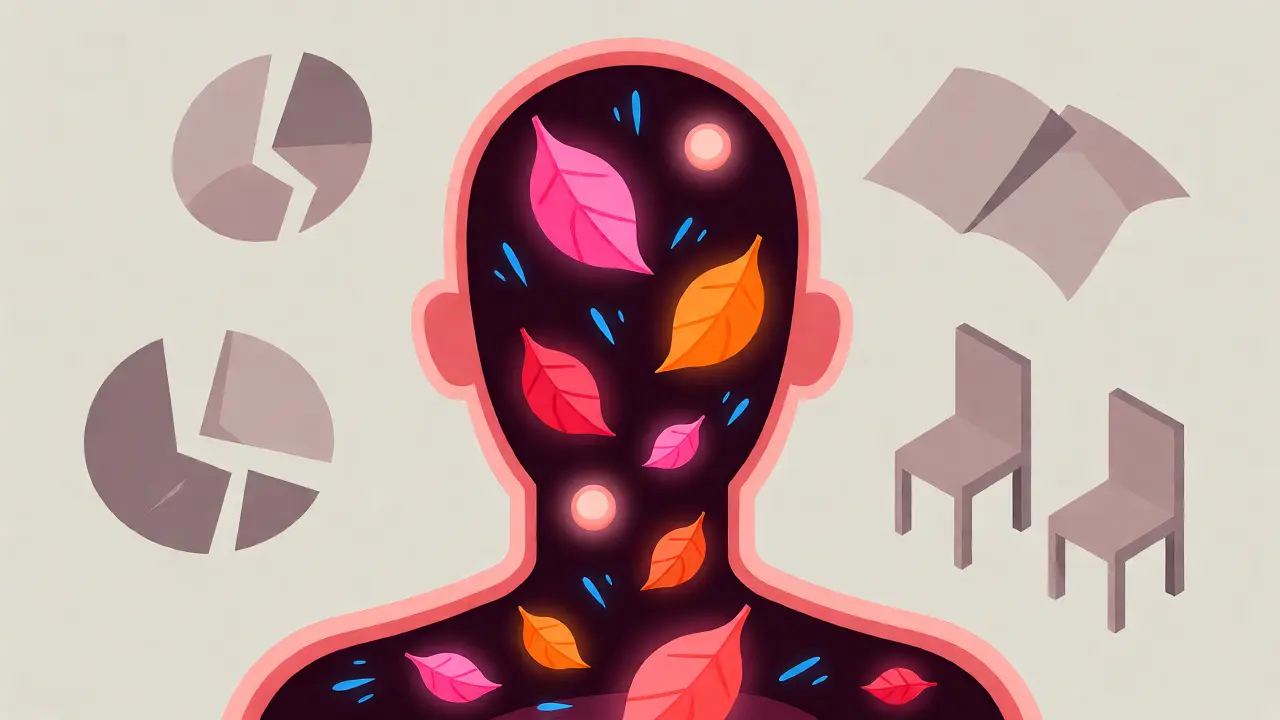
To understand why PPD happens, you have to look at what’s happening inside your body during pregnancy and right after delivery. During those nine months, your levels of estrogen and progesterone skyrocket-about ten times higher than usual. These hormones help maintain the pregnancy and prepare your body for lactation.
Then comes the delivery. Within 48 to 72 hours, those hormone levels crash back to pre-pregnancy levels. This rapid drop is extreme. For some women, their brains are sensitive to these fluctuations. Research suggests that while the hormonal change itself isn't the sole cause, it creates a vulnerable terrain. Think of it like a spark in a room full of gasoline. If you have other risk factors-like a history of anxiety or lack of support-that hormonal spark can ignite depression.
| Hormone | Change Post-Delivery | Potential Link to PPD |
|---|---|---|
| Estrogen | Drops sharply within days | Affects serotonin production; low levels may worsen mood |
| Progesterone | Plummets immediately | Its metabolite allopregnanolone helps calm nerves; loss may increase irritability |
| Oxytocin | Fluctuates based on breastfeeding | Lower levels linked to higher anxiety; breastfeeding may boost resilience |
It’s worth noting that studies are mixed. Some research finds no direct link between specific hormone levels and PPD symptoms. Why? Because biology is messy. A 2019 meta-analysis showed no significant difference in estrogen levels between depressed and non-depressed moms. This means we can’t blame it all on chemistry. Your environment, sleep, and mental history matter just as much.
Beyond Hormones: The Real Risk Factors
If hormones were the only cause, every woman would get PPD. They don’t. So who is most at risk? Look beyond the blood test. Consider the life context.
- Past Mental Health History: If you’ve dealt with depression or anxiety before, your risk jumps significantly. Recurrence rates for PPD are around 30% if you’ve had it once.
- Social Support: Feeling isolated is a major trigger. New parents with strong partner support or community networks cope better.
- Sleep Deprivation: It’s not just tiredness. Chronic sleep disruption alters brain chemistry, making emotional regulation harder.
- Life Stressors: Financial strain, unplanned pregnancy, or relationship conflicts add pressure that hormones alone can’t explain.
Also, PPD isn’t limited to cisgender women. Transgender and nonbinary parents experience similar rates. Adoptive parents also face risks, though slightly lower (6-8%). This proves that while birth triggers the biological event, the psychological load is universal.
Treatment Options: Medication, Therapy, and New Drugs
So, what do you do if you suspect PPD? Don’t wait for it to "pass." Untreated PPD can last months or even years, affecting your child’s development. Here’s what works.
Therapy: The First Line of Defense
For mild to moderate cases, therapy is highly effective. Cognitive Behavioral Therapy (CBT) has a response rate of over 50% in clinical trials. It helps you reframe negative thoughts and build coping strategies. Interpersonal Therapy (IPT) focuses on role transitions-like becoming a parent-which can be incredibly validating.
Medication: SSRIs and Safety
If therapy isn’t enough, doctors often prescribe antidepressants. Selective Serotonin Reuptake Inhibitors (SSRIs), like sertraline, are common first choices. Why sertraline? It’s considered safer for breastfeeding moms. Studies show minimal transfer into breast milk, and it’s rated L2 (safer) by Hale’s Medication and Mothers' Milk guide. Most women see improvement within 4-6 weeks.
New Neuroactive Steroids: Brexanolone and Zuranolone
This is where things get interesting. In recent years, FDA-approved drugs specifically for PPD have hit the market.
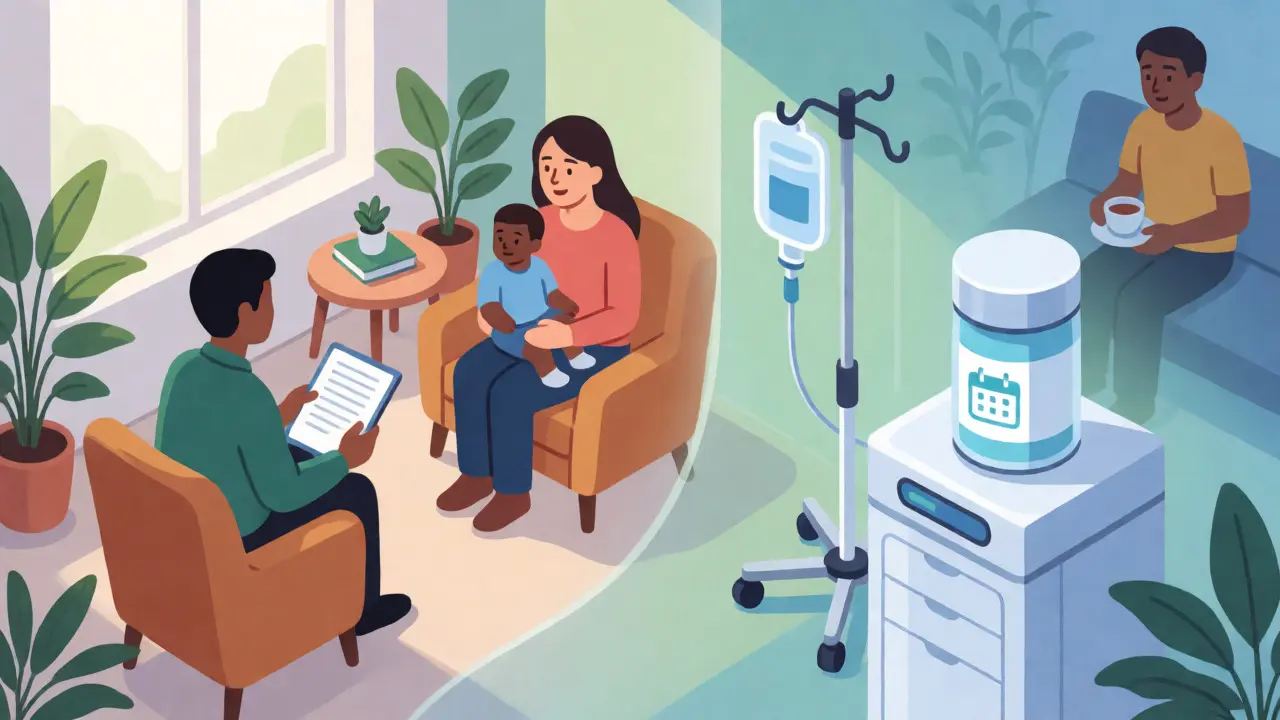
- Brexanolone (Zulresso): Approved in 2019, this IV infusion mimics allopregnanolone (a calming brain chemical lost after birth). It works fast but requires a 60-hour hospital stay with monitoring.
- Zuranolone (Zurzuvae): Approved in August 2023, this is a game-changer. It’s an oral pill taken for 14 days. No hospital stay needed. It targets the same GABA receptors as brexanolone but offers convenience for busy moms.
These aren’t traditional antidepressants. They target the root hormonal imbalance directly. However, they come with side effects like sedation and dizziness, so driving or caring for a newborn might need temporary adjustment.
Screening and Diagnosis: How Do You Know?
Many doctors still miss PPD because symptoms overlap with normal postpartum exhaustion. That’s why screening matters. The Edinburgh Postnatal Depression Scale (EPDS) is the gold standard. It’s a simple 10-question survey. Scores above 10 or 11 suggest further evaluation is needed.
Don’t rely on gut feeling alone. If you feel overwhelmed, sad, or detached for more than two weeks, ask for the EPDS. Early detection leads to faster recovery. Remember, Massachusetts became the first state to mandate PPD screening in 2012, recognizing that early intervention saves families.
Practical Tips for Coping While Recovering
Treatment takes time. Meanwhile, here’s how to survive the day-to-day:
- Lower Expectations: Clean dishes don’t matter. Sleep does. Let go of perfectionism.
- Ask for Specific Help: Instead of "Can you help?" try "Can you hold the baby while I shower?" Specific requests get filled.
- Mind the Partner Gap: Partners may not understand the intensity. Educate them. Share articles or invite them to appointments.
- Use Peer Support: Organizations like Postpartum Support International offer warmlines and online groups. Talking to someone who gets it reduces shame.
Recovery isn’t linear. Some days will be bad. That’s okay. With the right mix of therapy, medication, and support, most women return to feeling like themselves. You’re not broken. You’re adjusting to a massive life change, and sometimes, your brain needs a little extra help to catch up.
What is the difference between baby blues and postpartum depression?
Baby blues affect up to 80% of new mothers and typically resolve within two weeks. Symptoms include mild mood swings, crying spells, and anxiety. Postpartum depression (PPD) is more severe, lasts longer than two weeks, and interferes with daily functioning. PPD affects about 1 in 7 women and requires professional treatment, whereas baby blues usually improve with rest and support.
Can men get postpartum depression?
Yes. Up to 10% of new fathers experience postpartum depression. Risk factors include sleep deprivation, financial stress, and having a partner with PPD. Men may express symptoms differently, such as anger or withdrawal rather than sadness, which can lead to underdiagnosis. Treatment options are similar to those for women, including therapy and medication.
Are antidepressants safe while breastfeeding?
Many antidepressants are considered safe for breastfeeding. Sertraline is often preferred because it transfers minimally into breast milk and has a well-established safety profile. Doctors weigh the benefits of treating maternal depression against potential risks to the infant. Always consult your healthcare provider before starting or stopping medication while nursing.
How long does it take for PPD treatments to work?
Traditional SSRIs typically take 4 to 6 weeks to show noticeable effects. Therapy outcomes vary but often improve within 8 to 12 sessions. Newer neuroactive steroids like zuranolone can provide relief within days due to their direct action on brain receptors. Immediate crisis support is available through hotlines if symptoms become severe.
Does breastfeeding prevent postpartum depression?
Breastfeeding may offer some protective benefits due to oxytocin release, which promotes bonding and calmness. However, it is not a guaranteed prevention method. Some women find breastfeeding stressful, especially if there are latch issues or supply concerns, which can exacerbate anxiety. The decision to breastfeed should prioritize maternal mental health and physical comfort.