Category: Pharmacy and Medication - Page 4
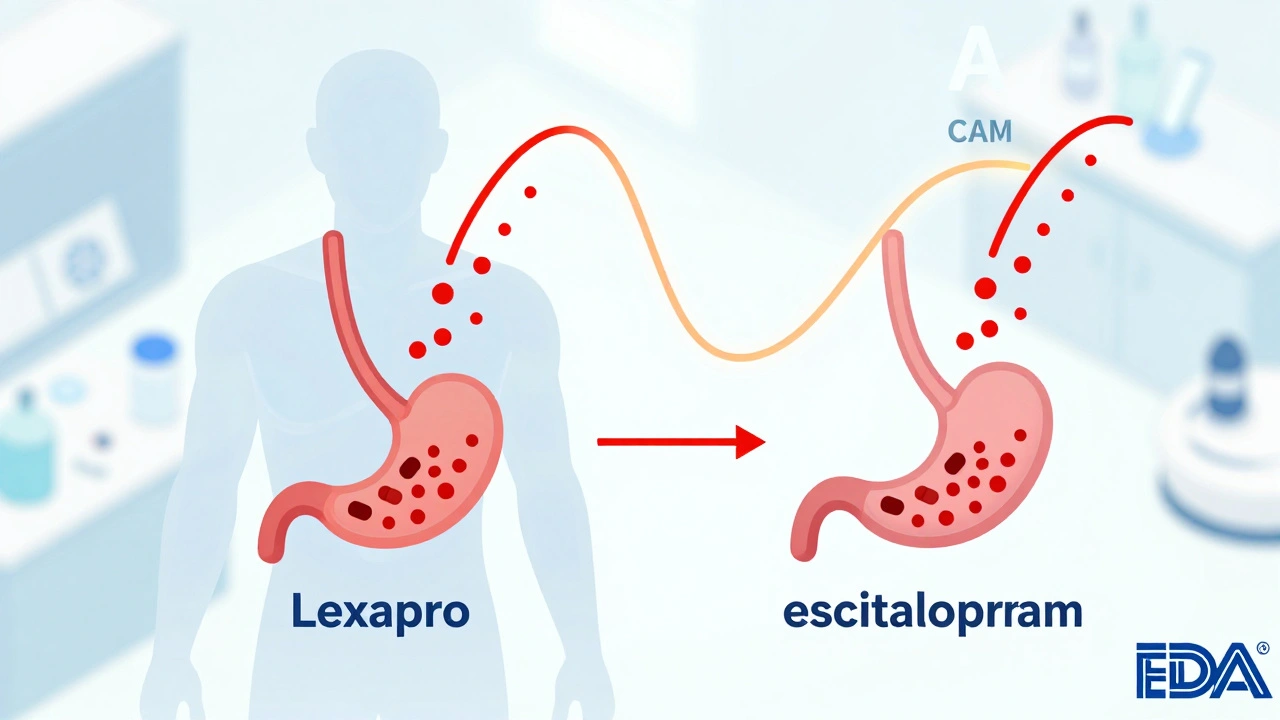
Bioequivalence and Patient Safety: Why Testing Ensures Safe Generic Medications
Bioequivalence testing ensures generic drugs work the same as brand-name versions, protecting patient safety while lowering costs. Learn how science keeps millions safe every day.
- 12
- Read More
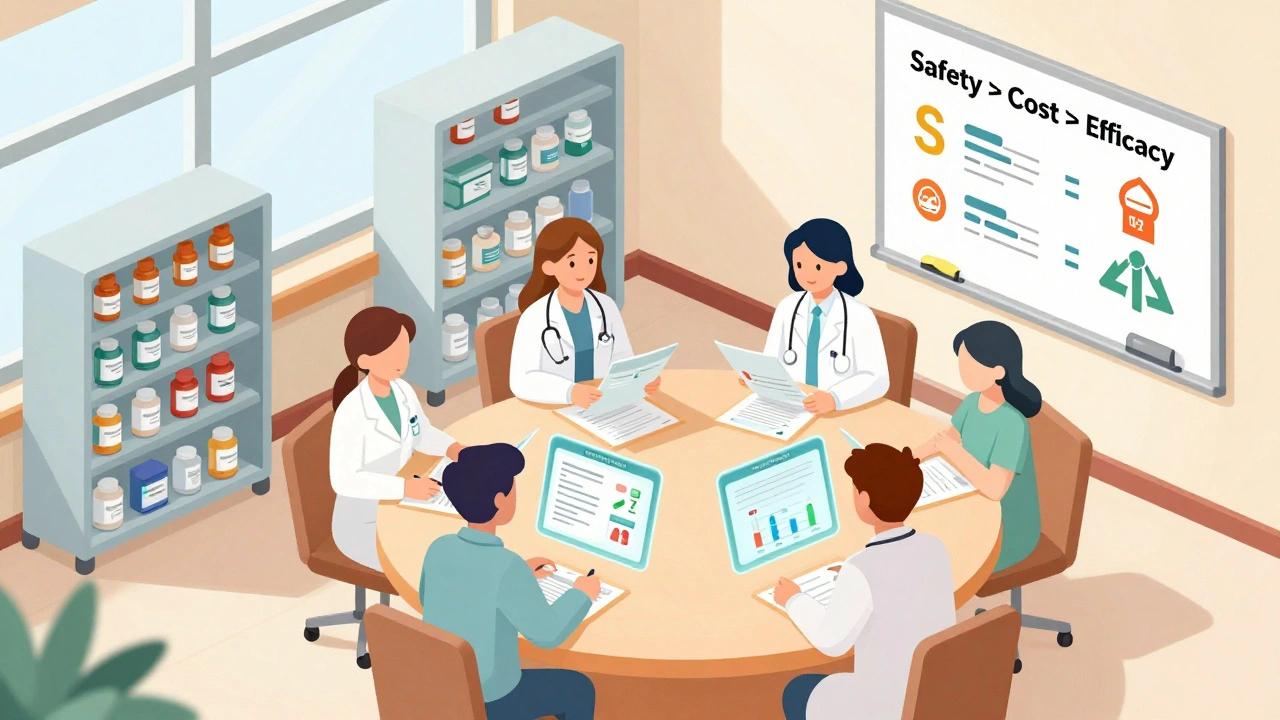
Hospital Formularies: How Systems Choose Generic Drugs
Hospital formularies systematically select generic drugs based on clinical evidence, safety, and total cost of care-not just price. Learn how Pharmacy and Therapeutics committees make these critical decisions and the real-world impact on patient outcomes.
- 12
- Read More
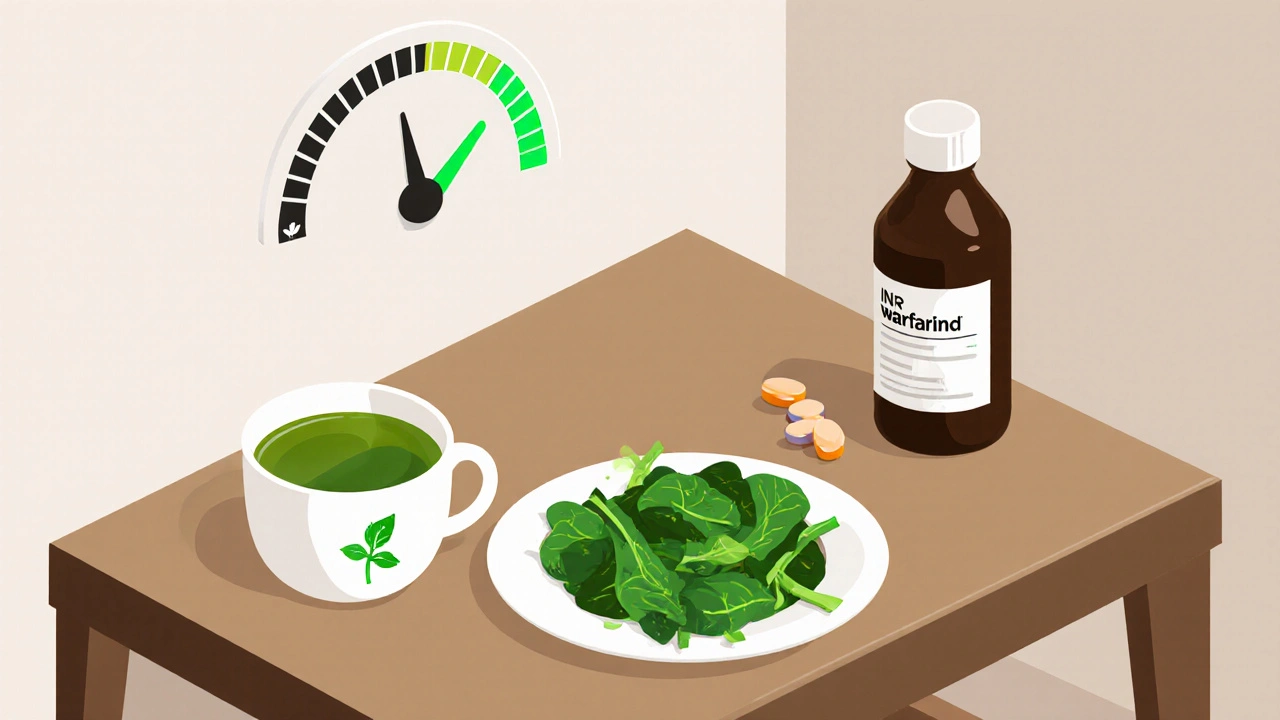
Green Tea and Warfarin: What You Need to Know About Blood Clotting and INR
Green tea can affect warfarin by increasing vitamin K intake, potentially lowering INR levels. Learn how much is safe, why matcha is riskier, and what to do if your INR changes.
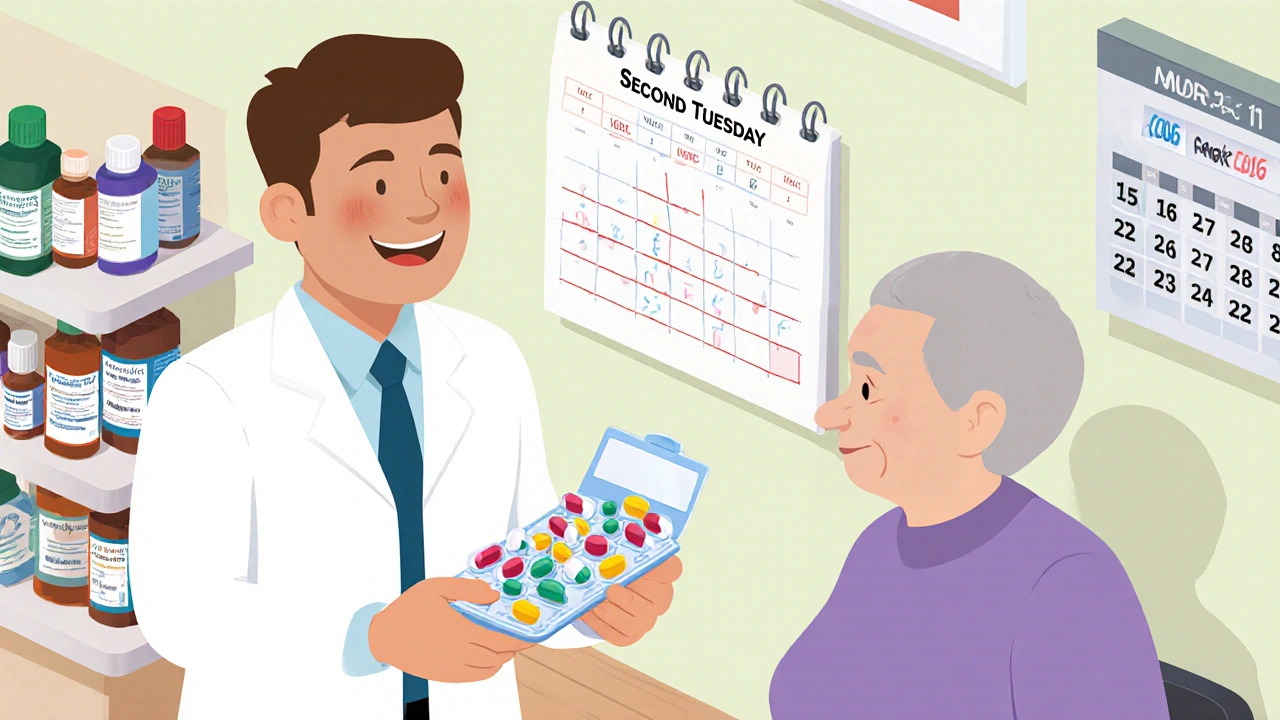
Synchronizing Prescription Refills: How to Prevent Gaps in Therapy
Medication synchronization aligns all your chronic prescriptions to one monthly refill day, preventing dangerous gaps in therapy. Learn how it works, who benefits most, and how to get started.
- 12
- Read More
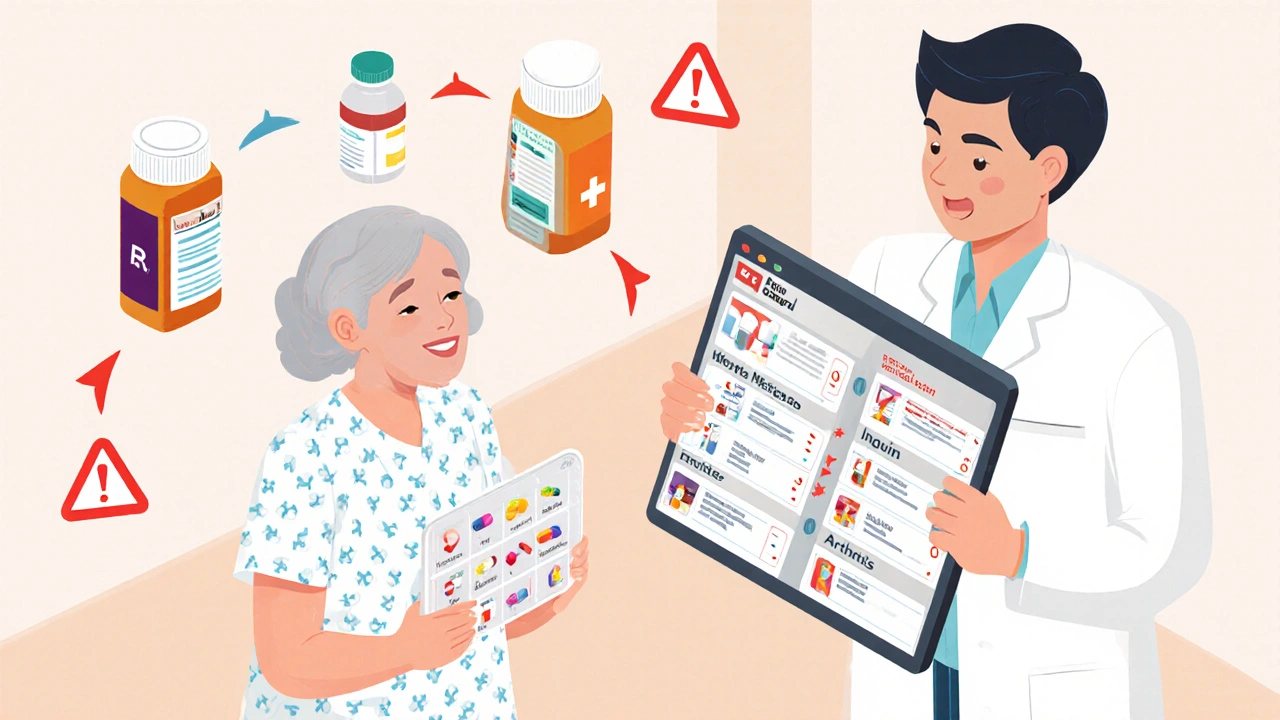
Medication Reconciliation: How to Update Medication Lists Across Care Settings
Medication reconciliation is a critical safety process that prevents errors when patients move between care settings. Learn how accurate medication lists are built, who does it, and why it saves lives.
- 12
- Read More
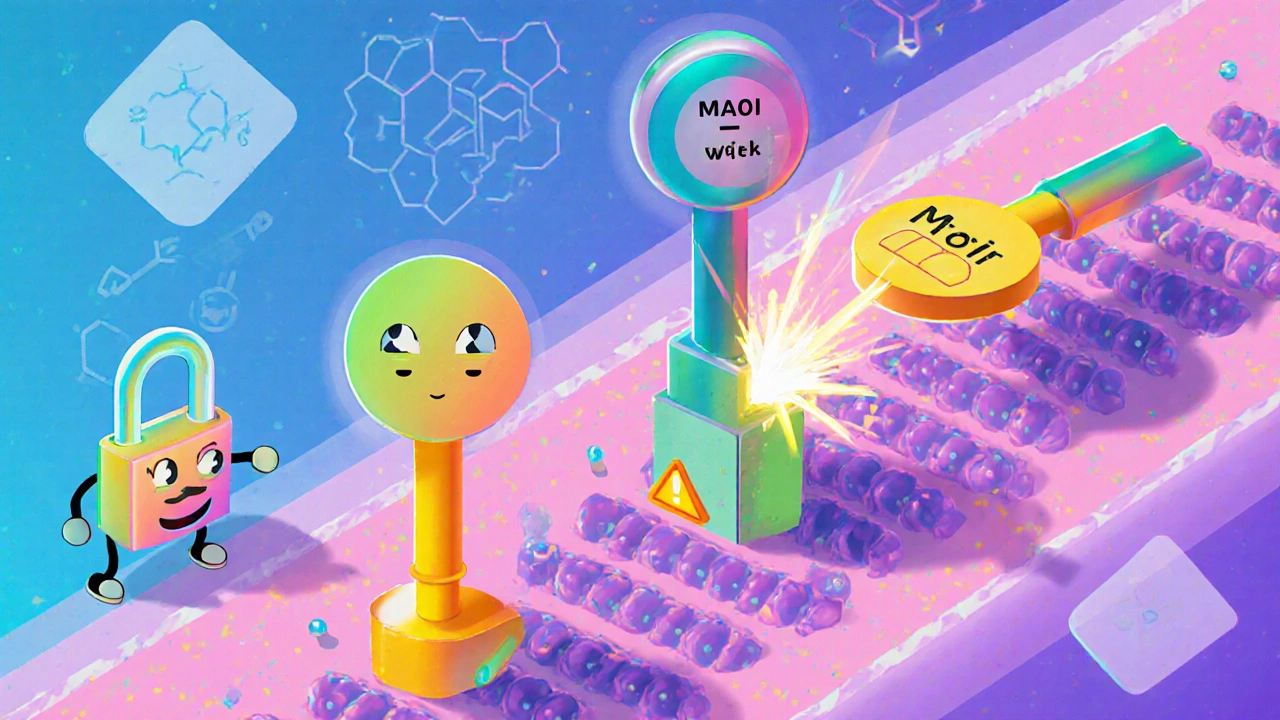
Pharmacodynamic Drug Interactions: What Happens When Drugs Combine
Pharmacodynamic drug interactions occur when drugs affect each other's effects at the target site, not their levels in the blood. Learn how synergy, antagonism, and receptor competition can make meds work better-or cause life-threatening reactions.
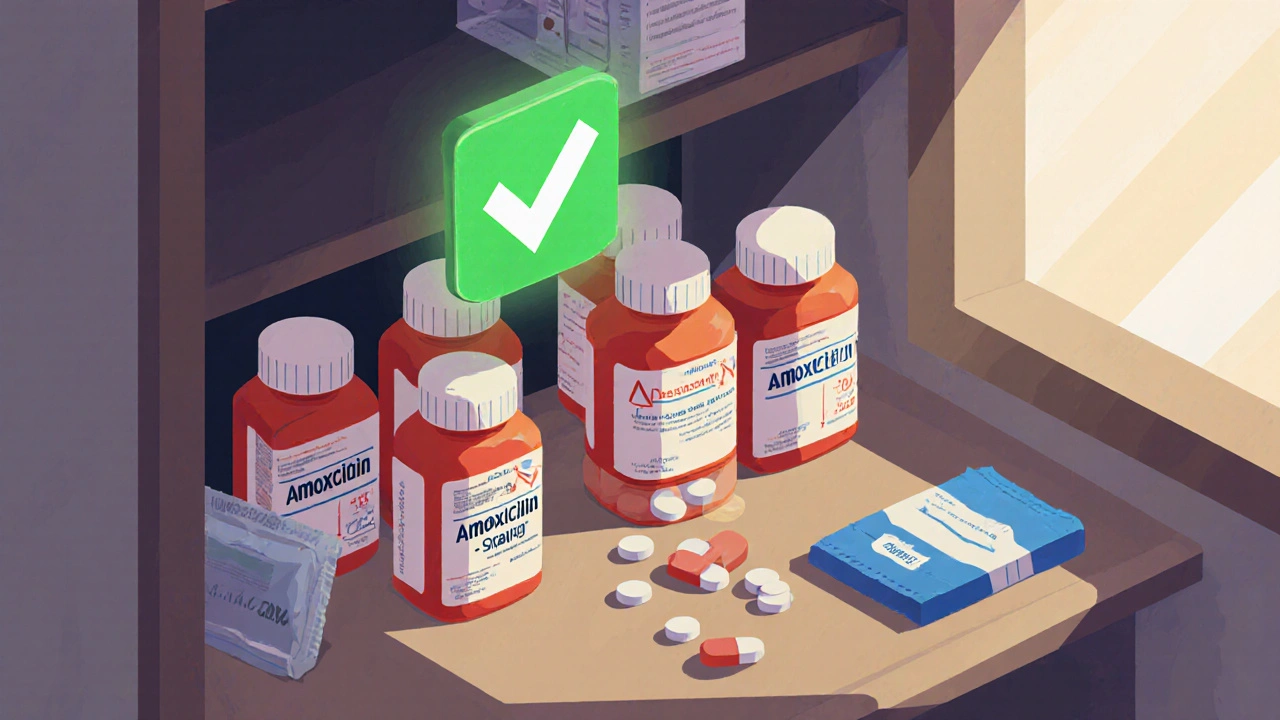
Antibiotic Effectiveness After Expiration Dates: What You Need to Know
Expired antibiotics may still look fine, but they can lose potency and fuel dangerous antibiotic resistance. Learn what’s safe, what’s risky, and how storage affects effectiveness.
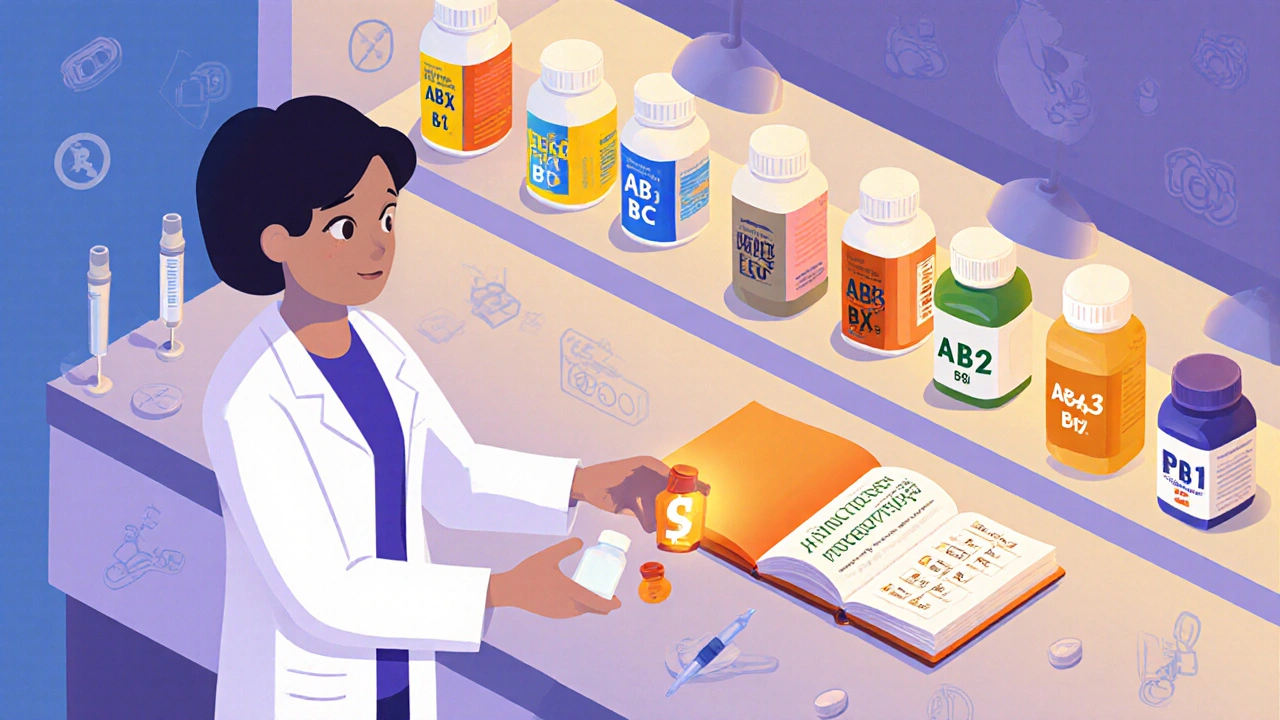
Therapeutic Equivalence Codes: How the FDA Determines Which Generic Drugs Can Be Substituted
The FDA uses therapeutic equivalence codes to determine which generic drugs can be safely substituted for brand-name medications. Learn how the A and B ratings work, why they matter for patients and pharmacists, and where the system still has gaps.
- 14
- Read More
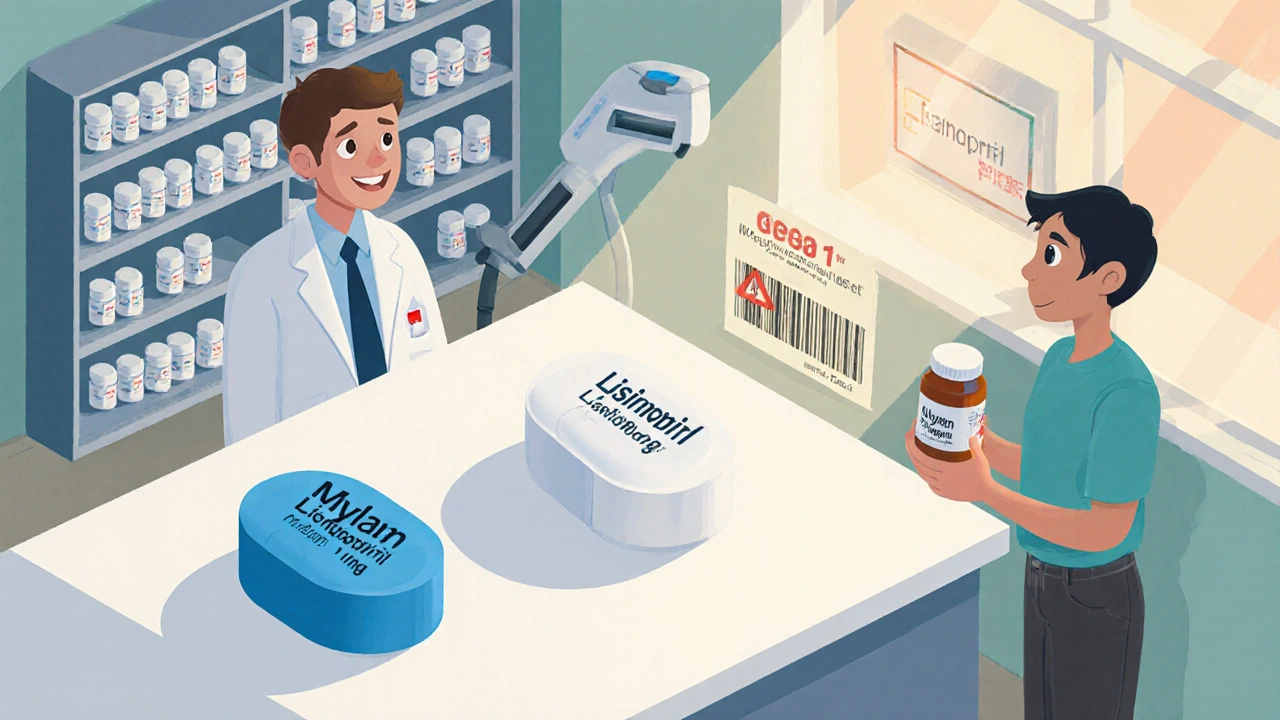
Pharmacy Errors with Generics: Prevention and Correction
Generic medications save money but introduce unique risks in pharmacies due to changing appearances and formulations. Learn how pharmacists and patients can prevent and correct errors that lead to dangerous mix-ups.
- 14
- Read More
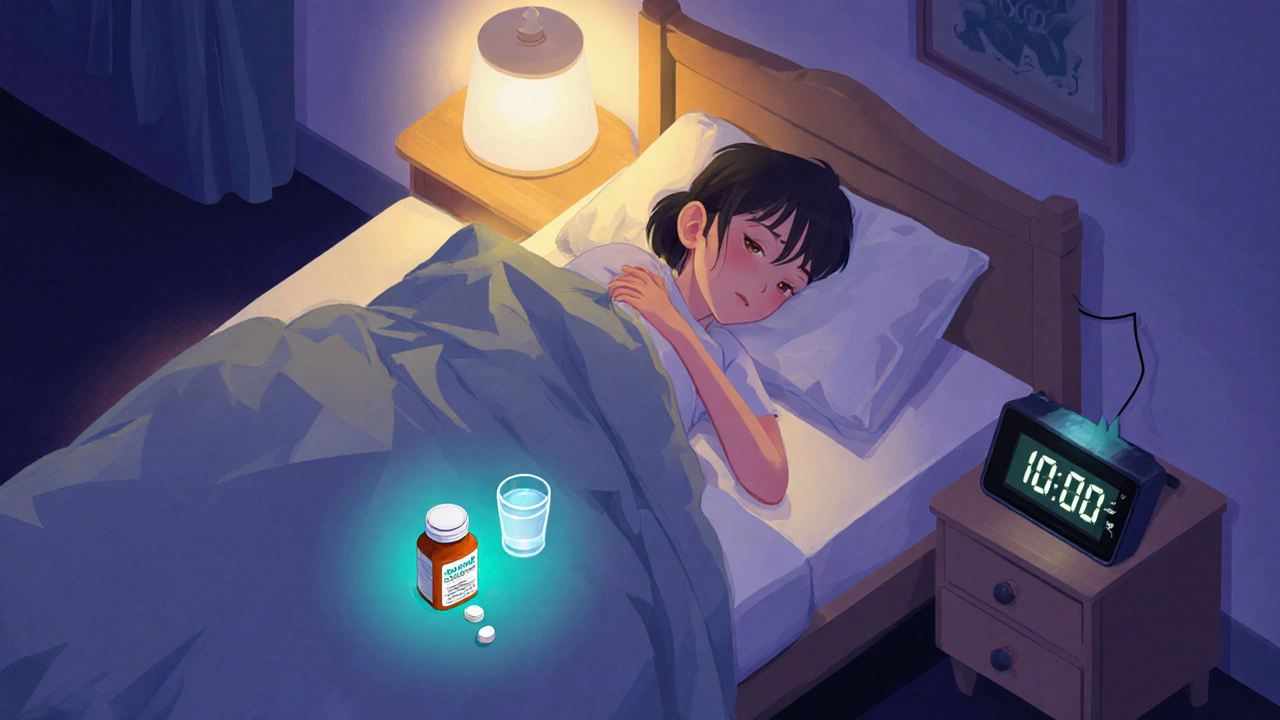
Doxylamine Succinate vs. Common Sleep Aid Alternatives: Detailed Comparison
A comprehensive guide comparing Doxylamine Succinate with other OTC and prescription sleep aids, covering effectiveness, side effects, safety, and best‑use scenarios.
- 12
- Read More