Category: Prescription Medications - Page 3
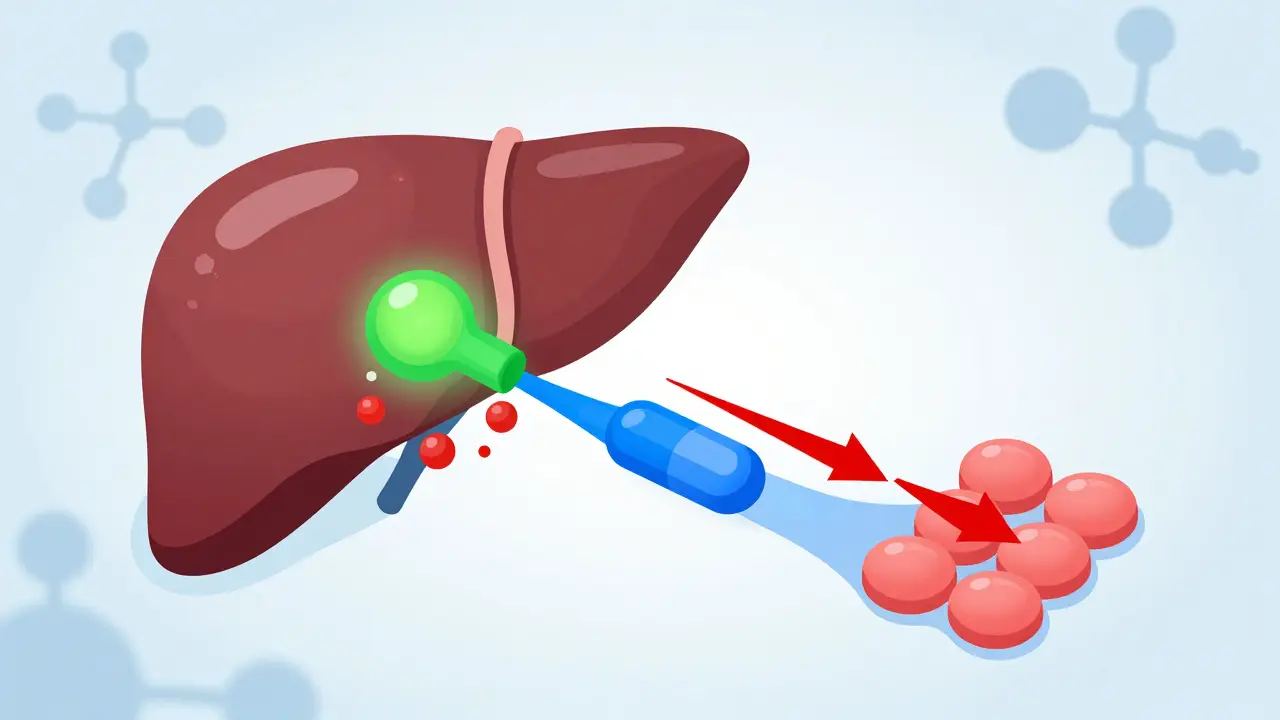
Pitavastatin and Diabetes Risk: What You Need to Know About Metabolic Effects
Pitavastatin is one of the statins with the lowest risk of increasing blood sugar and triggering type 2 diabetes. Learn how it compares to other statins, who benefits most, and what doctors recommend for patients with prediabetes.
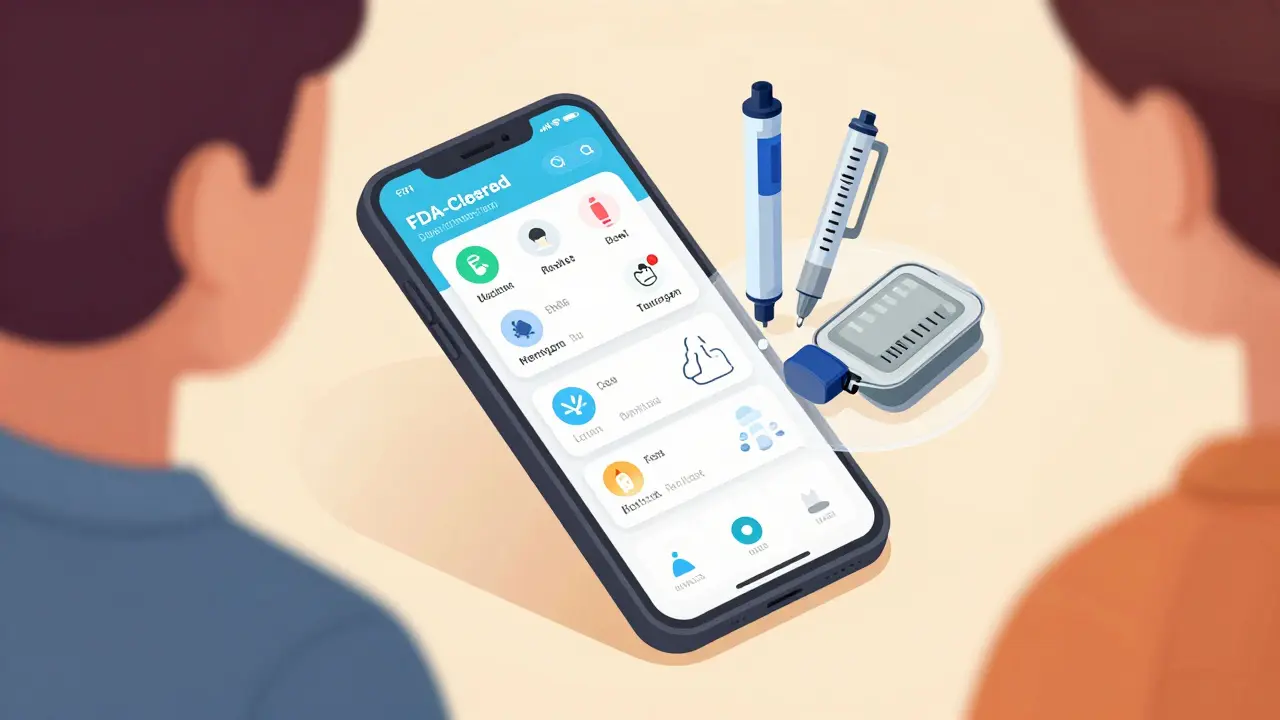
Digital Therapeutics and Medication Interactions: What You Need to Know in 2026
Digital therapeutics are transforming how we manage chronic conditions alongside medication. Learn how these FDA-cleared apps improve adherence, what risks they pose, and what you need to know in 2026.
- 15
- Read More
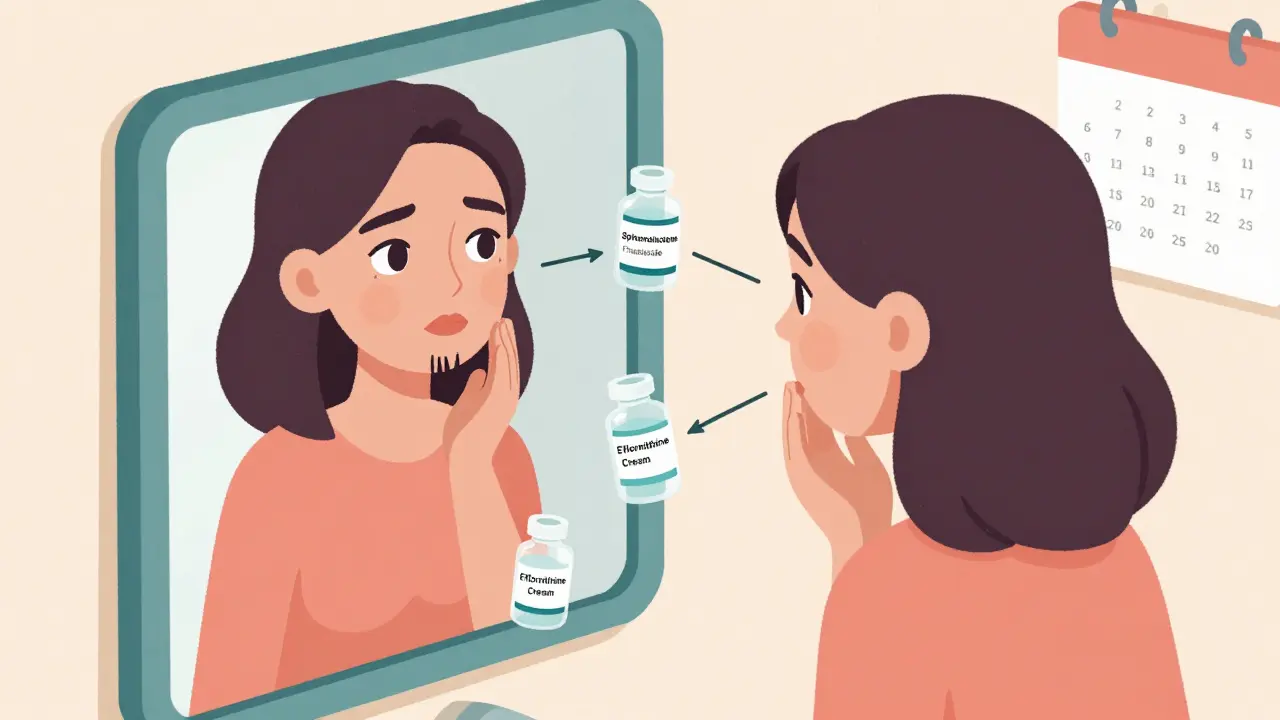
Hirsutism in PCOS: How Antiandrogens Help Reduce Unwanted Hair
Antiandrogens like spironolactone and finasteride can reduce unwanted hair in PCOS, but they're not first-line treatments. Learn how they work, their side effects, costs, and why birth control pills are still the gold standard.
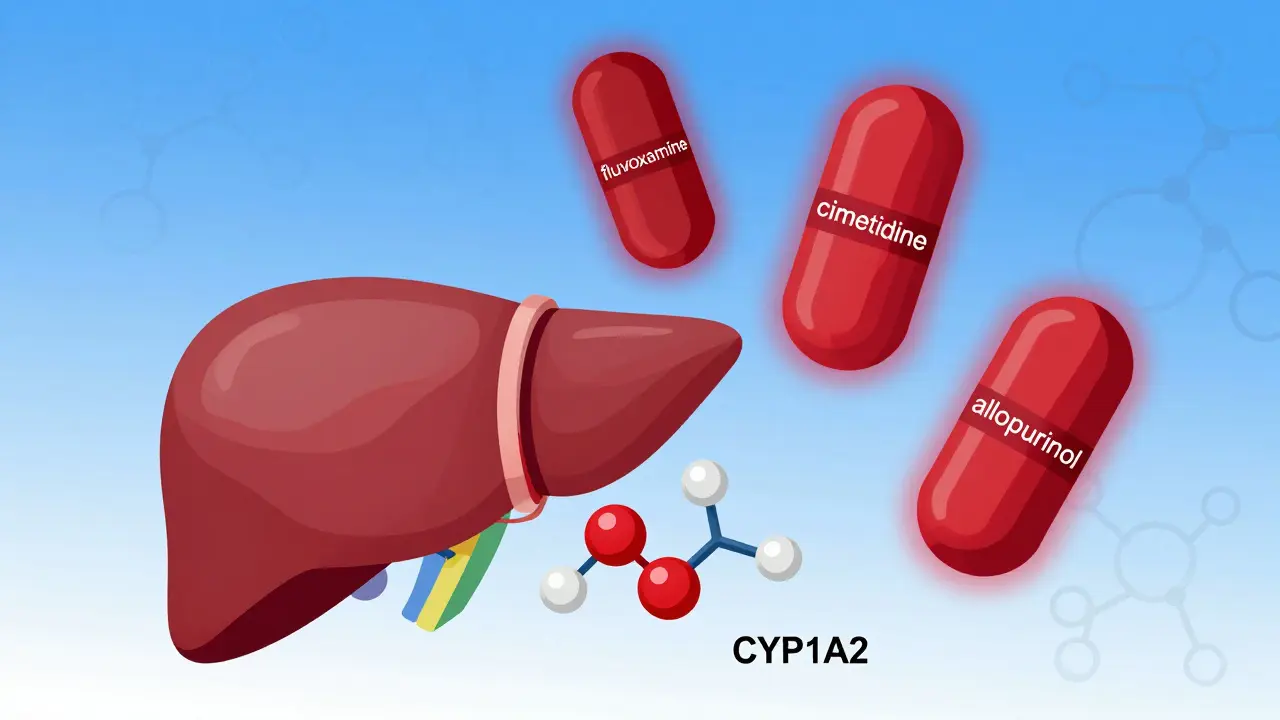
Theophylline Clearance: How Common Medications Can Cause Dangerous Buildup
Theophylline has a narrow therapeutic range, and common medications like cimetidine, fluvoxamine, and allopurinol can drastically reduce its clearance, leading to life-threatening toxicity. Learn which drugs are dangerous and how to stay safe.
- 11
- Read More
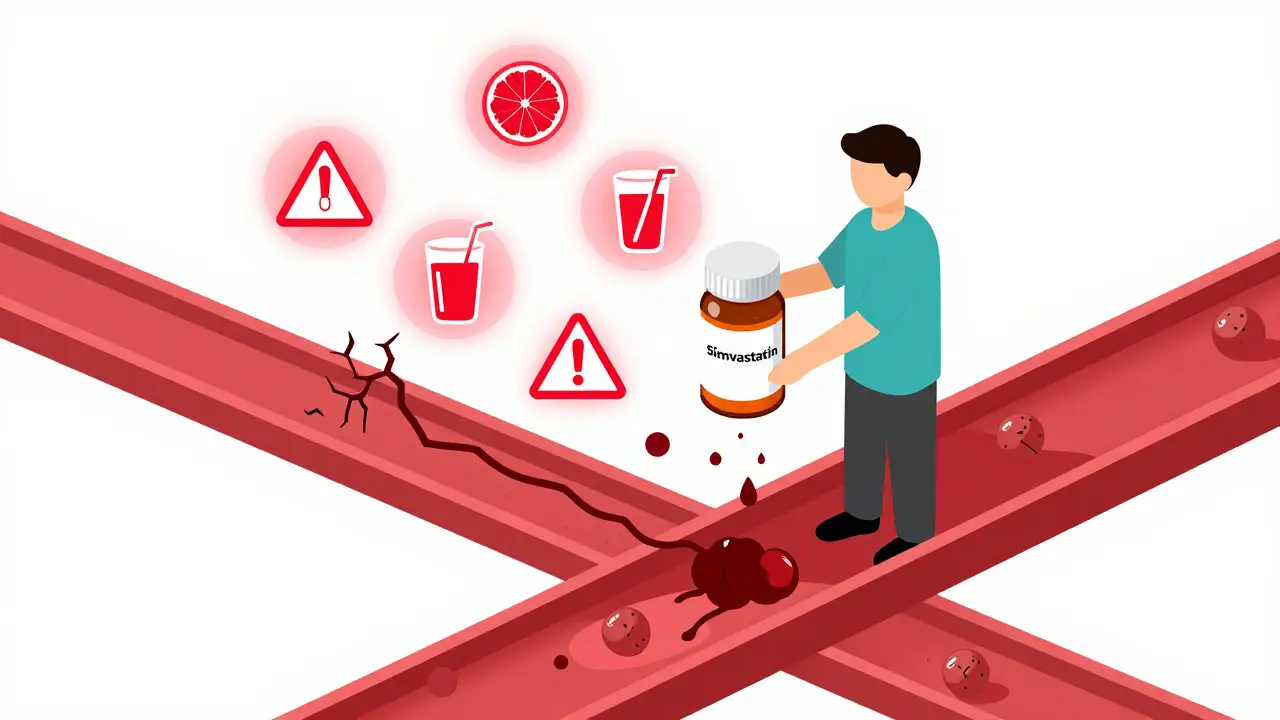
Rhabdomyolysis from Medication Interactions: How Common Drug Combos Can Cause Muscle Breakdown
Rhabdomyolysis from medication interactions is a life-threatening condition caused by common drug combos like statins with antibiotics or antifungals. Learn the signs, risks, and how to protect yourself.
- 12
- Read More
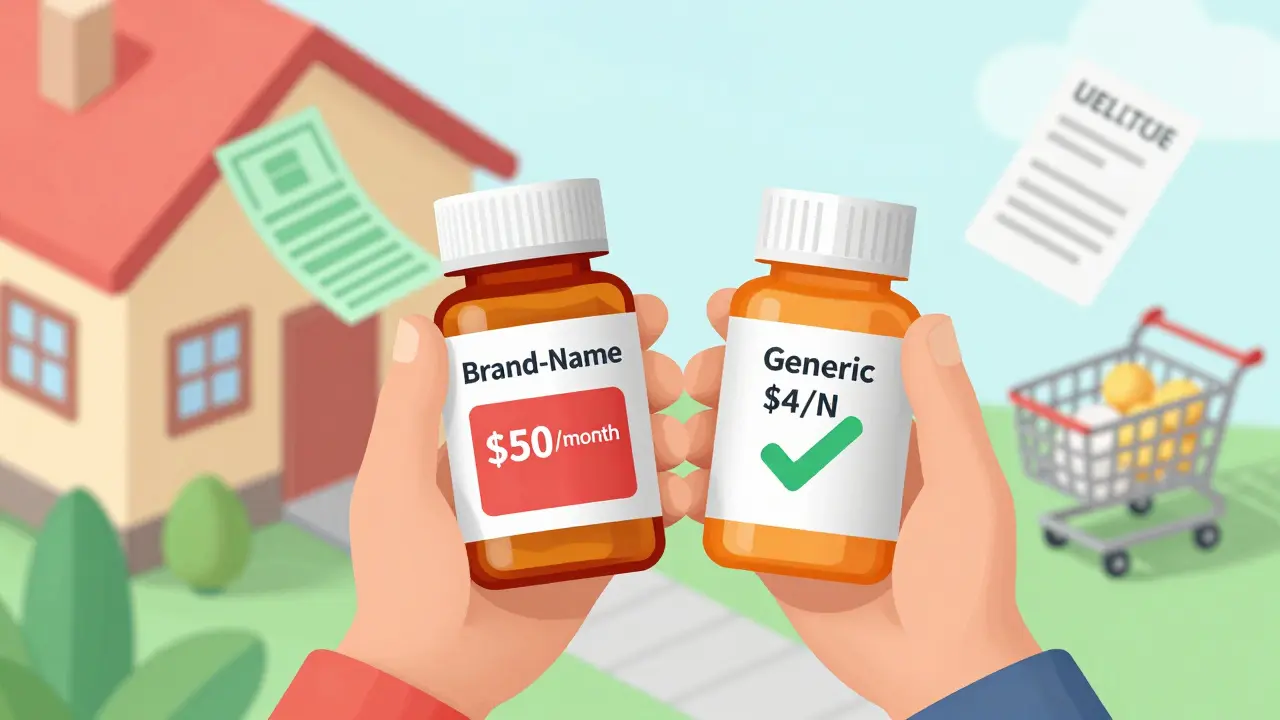
Lifetime Savings: How Generic Medications Cut Chronic Condition Costs Long-Term
Generic medications save patients thousands over a lifetime by offering the same effectiveness as brand-name drugs at 80-90% lower cost. Learn how generics improve adherence, reduce hospitalizations, and cut chronic condition expenses.
- 15
- Read More
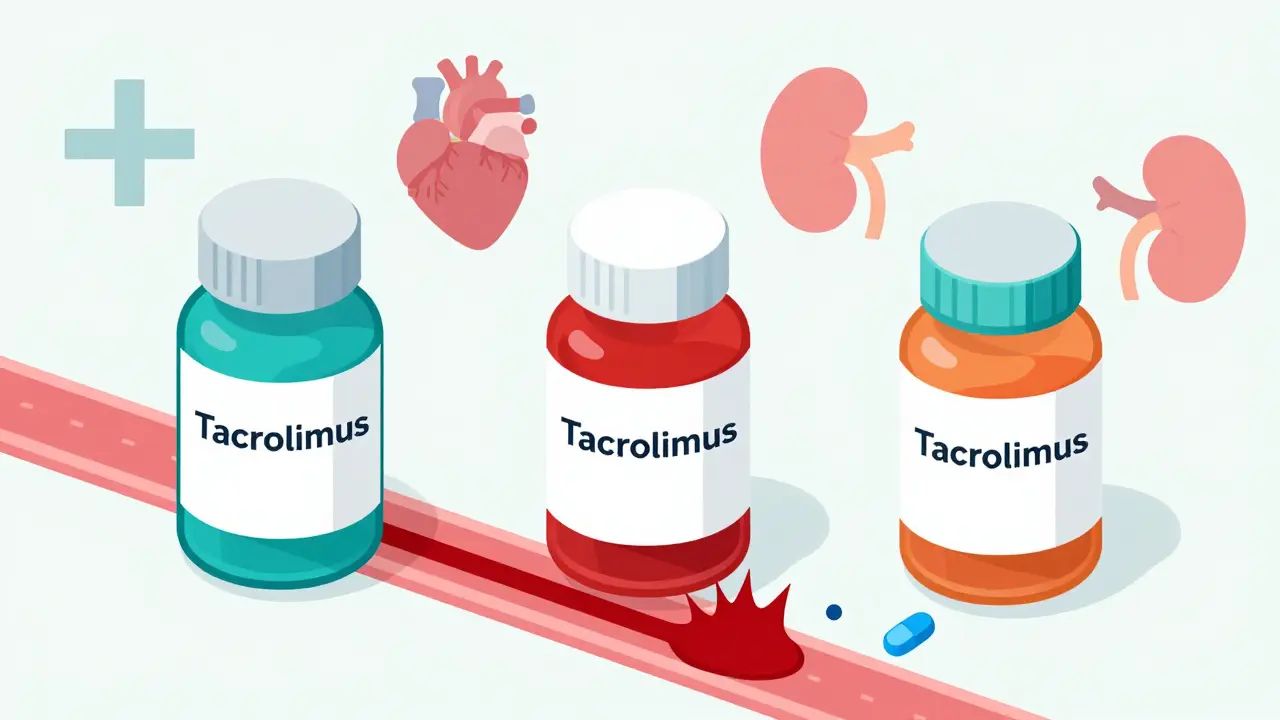
Multiple Manufacturers: NTI Drugs and Switching Between Generics
NTI drugs like levothyroxine and tacrolimus have a narrow safety margin-small changes in dose or manufacturer can cause serious side effects. Learn why switching generics isn’t always safe, what the data really shows, and how to protect yourself.
- 11
- Read More
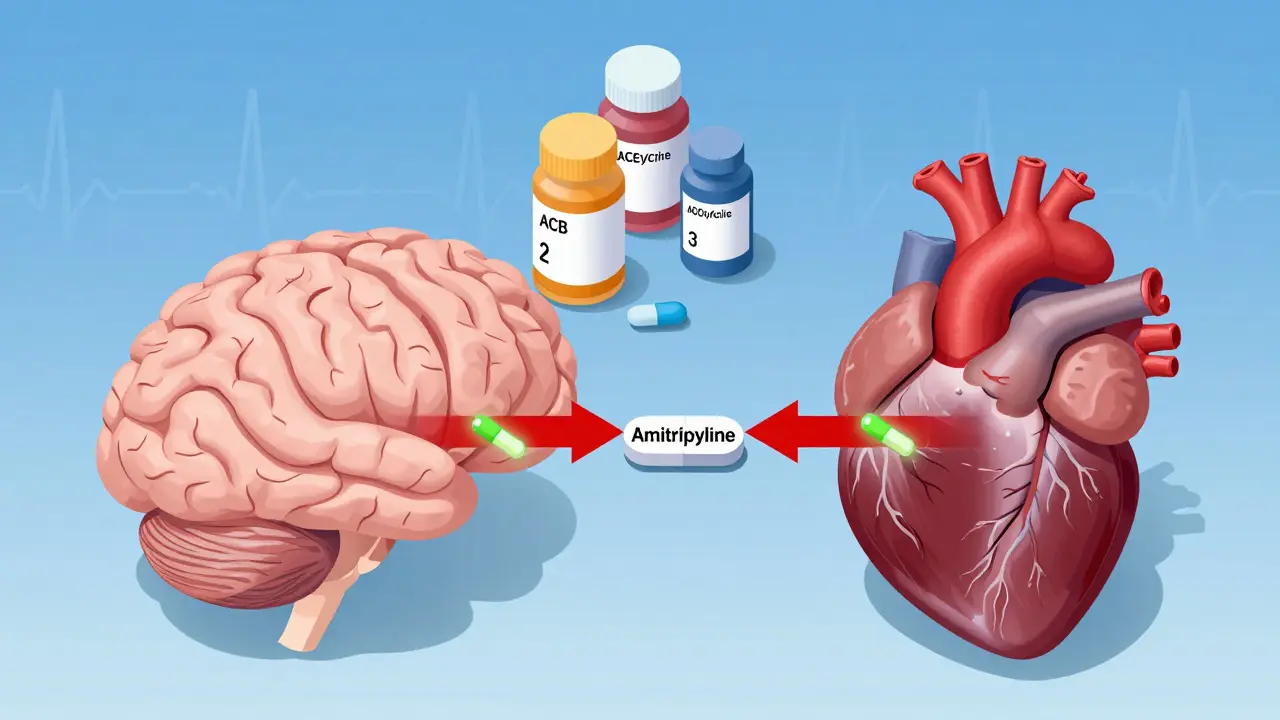
Anticholinergic Burden with Tricyclic Antidepressants: Cognitive and Cardiac Risks
Tricyclic antidepressants like amitriptyline carry high anticholinergic burden, increasing risks of cognitive decline and dangerous heart rhythms - especially in older adults. Safer alternatives exist.
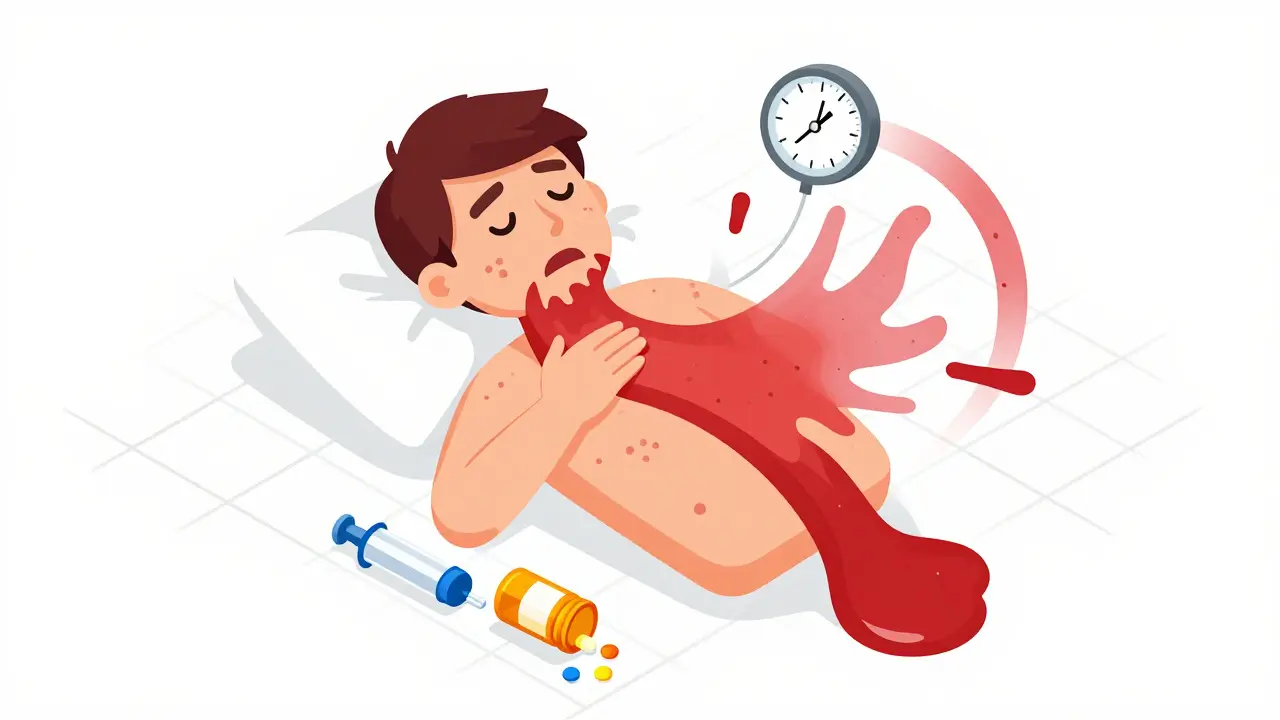
When Side Effects Warrant Stopping a Medication Immediately
Some medication side effects are emergencies that require stopping the drug right away - like anaphylaxis or skin blistering. Others are annoying but safe to manage with your doctor. Know the difference to avoid life-threatening mistakes.
- 14
- Read More
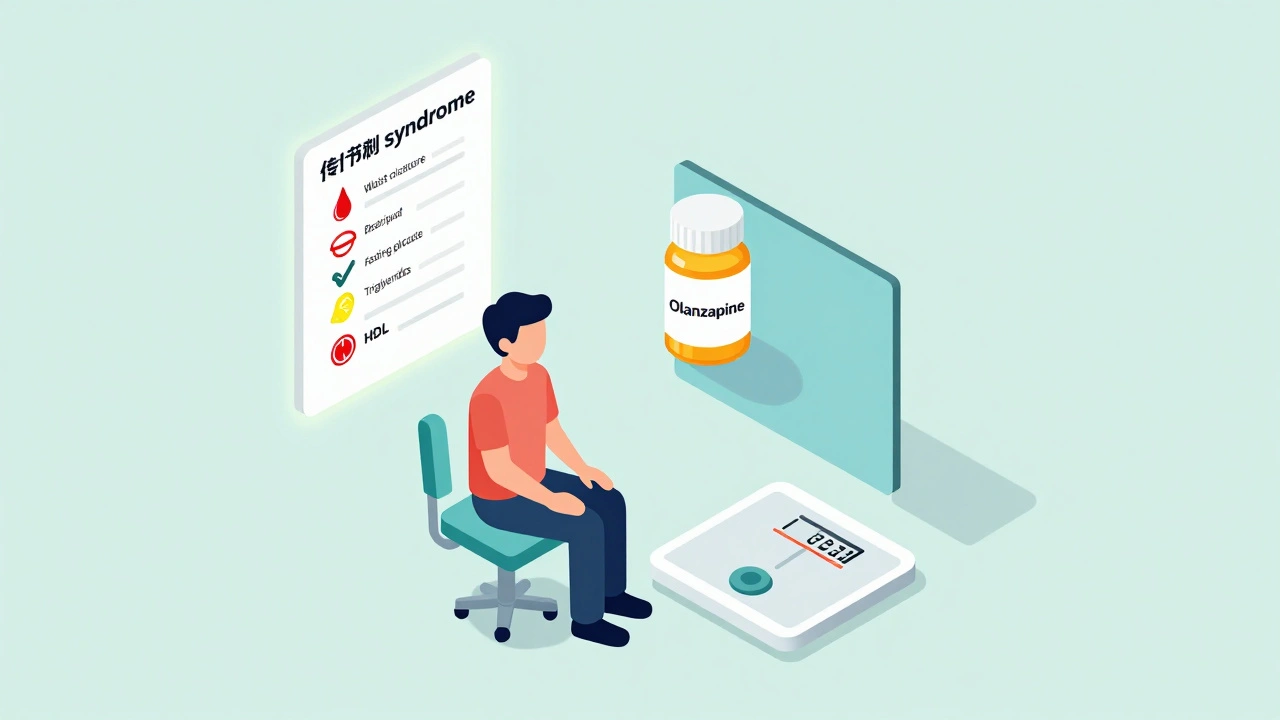
Antipsychotics and Metabolic Risks: What You Need to Know About Monitoring
Antipsychotics can cause serious metabolic risks including weight gain, diabetes, and heart disease. Learn which drugs are riskiest, how to monitor for problems early, and what steps you can take to protect your health.
- 12
- Read More