Prescription Medications: How to Get Them Safely and Find Good Alternatives
When you need a prescription drug, the biggest question is usually "where can I get it without risking my health or money?" The answer isn’t as hard as it sounds once you know the rules, the right sites, and what to look for in a pharmacy. Below we break down the steps for buying prescription meds online, point out common red flags, and share quick alternatives for some of the most searched‑for drugs.
Buying Prescription Medications Online – The Safe Way
First, make sure you have a valid prescription from a licensed doctor. In many countries, a telehealth consult counts the same as an in‑person visit, so you can get a digital script without leaving home. Next, choose an online pharmacy that requires a prescription, displays a physical address, and has a pharmacist you can contact. Look for certifications like a local pharmacy board registration or a verified seal from a recognized health authority.
Never buy a drug from a site that offers “no prescription needed” or asks for payment via gift cards. Those are usually scams that sell counterfeit pills. Even when a site looks professional, check reviews on independent forums, and compare prices with at least two other reputable stores. If the price looks too good to be true, it probably is.
When you place an order, keep an eye on shipping times and tracking info. Legit pharmacies ship in standard packaging, include a printed prescription label, and provide a clear return policy. If the package arrives without a label or with weird pills, contact the pharmacy right away and consider reporting the seller.
Popular Prescription Drugs and Safer Alternatives
Many readers ask about cheaper or safer options for drugs they hear about in the news. Below are quick snapshots of a few common meds and what else you might try.
Atomoxetine (Strattera) – often prescribed for ADHD. If you worry about mood changes, talk to your doctor about switching to a non‑stimulant like guanfacine or a low‑dose antidepressant that also helps focus.
Rizatriptan (Maxalt) – a migraine rescue pill. Some people find the same relief with over‑the‑counter naproxen plus an anti‑nausea tablet, especially when combined with lifestyle changes like regular sleep and hydration.
Lamictal (Lamotrigine) – used for mood stabilization. Alternatives include carbamazepine or valproate, but each has its own side‑effect profile, so a careful doctor review is a must.
Flagyl (Metronidazole) – an antibiotic for infections. If you’re allergic or want a different class, doxycycline or clindamycin might work, depending on the infection type.
For each of these, the key is not to stop the medication on your own. A doctor can suggest a taper plan or a replacement that matches your health needs.
Finally, keep a list of your current meds, doses, and any side effects you notice. Bring this list to any telehealth visit – it helps the prescriber spot interactions, like the CYP2D6 warning with atomoxetine, before they become a problem.
Knowing where to buy prescription meds safely and what alternatives exist puts you in control of your health. Follow the steps above, stay skeptical of too‑good‑to‑be‑true offers, and always keep an open line with your healthcare provider. Your next prescription can be both affordable and safe when you shop smart.
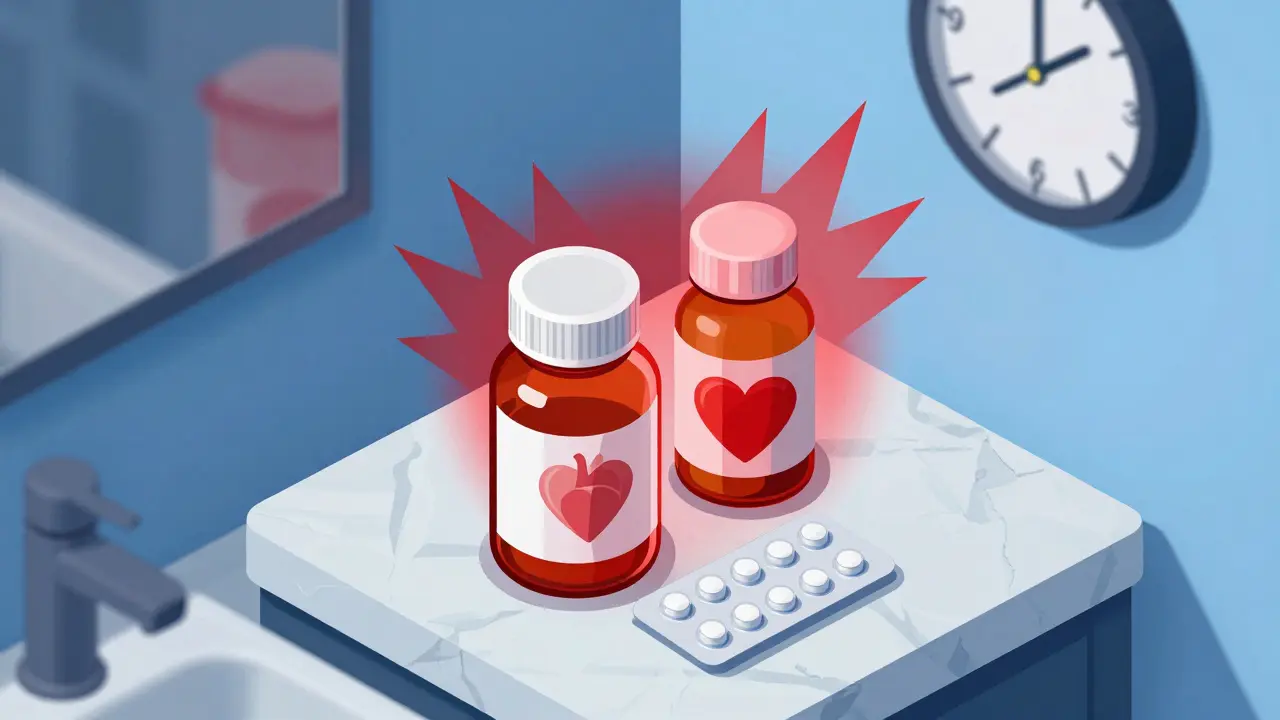
Erectile Dysfunction Medications: Understanding Nitrates and Alpha-Blocker Risks
Understand the critical drug interactions between ED meds, nitrates, and alpha-blockers. Learn specific risks, safety guidelines, and symptoms to watch for to protect your heart health.
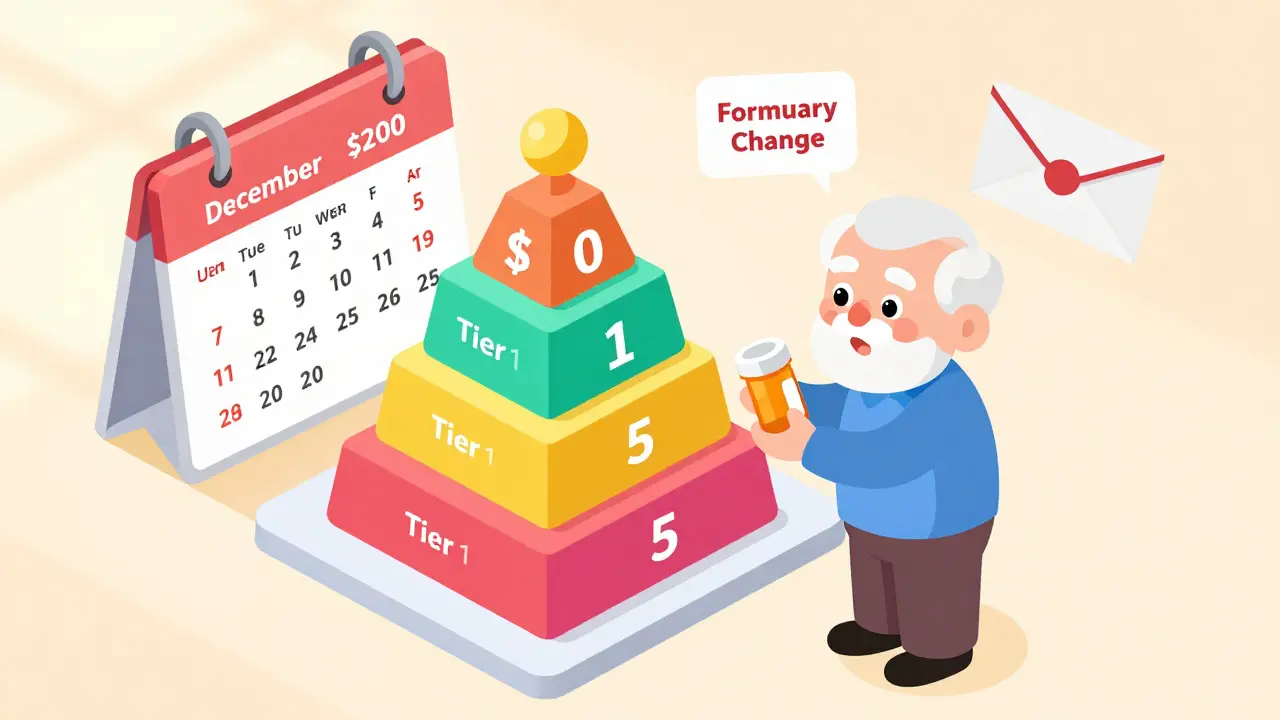
How to Check Drug Coverage Tiers and Formulary Changes for Senior Medications
Learn how to check your Medicare drug coverage tiers and spot formulary changes before they hit your wallet. Avoid surprise costs with simple steps and free tools.
- 10
- Read More
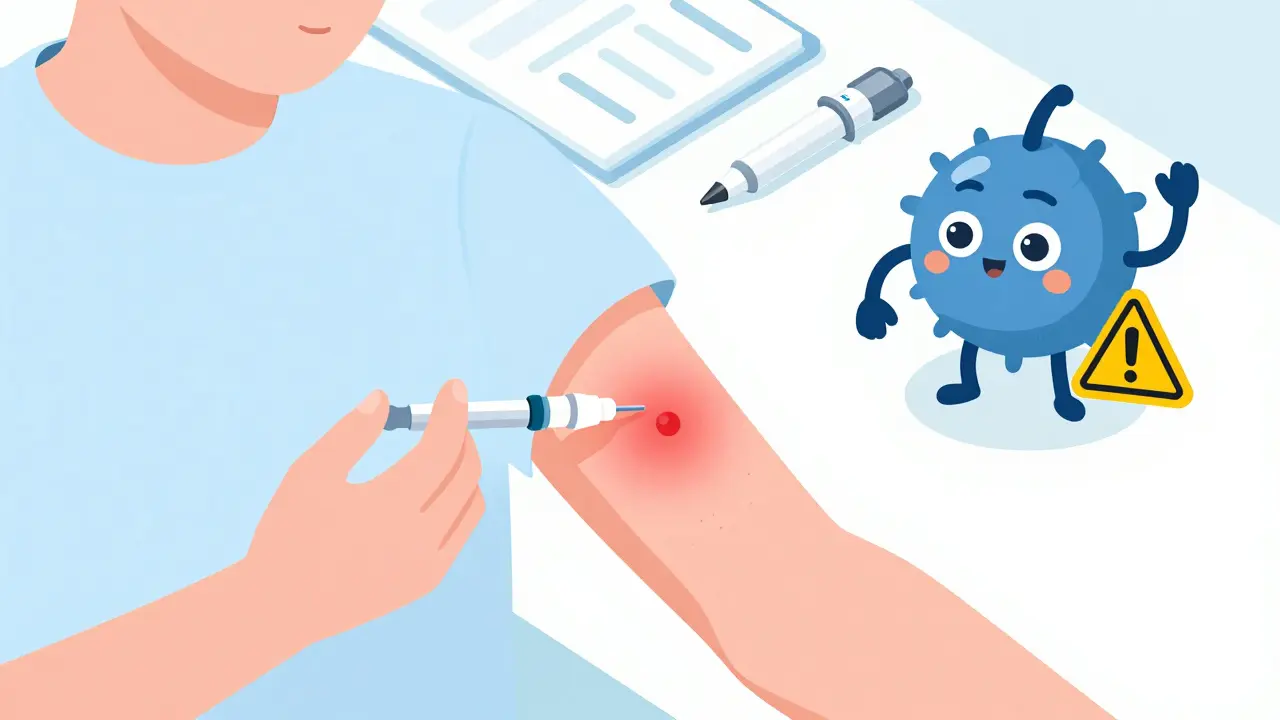
Insulin Allergies: Recognizing and Managing Injection Reactions
Insulin allergies are rare but serious. Learn how to recognize localized and systemic reactions, what causes them, and how to manage them safely without stopping life-saving insulin therapy.

Red Flags: When to Call Your Doctor About a Medication Problem
Know when to act on medication side effects. Some reactions are normal, but others-like trouble breathing, swelling, or blisters-can be life-threatening. Learn the red flags and what to do next.
- 11
- Read More
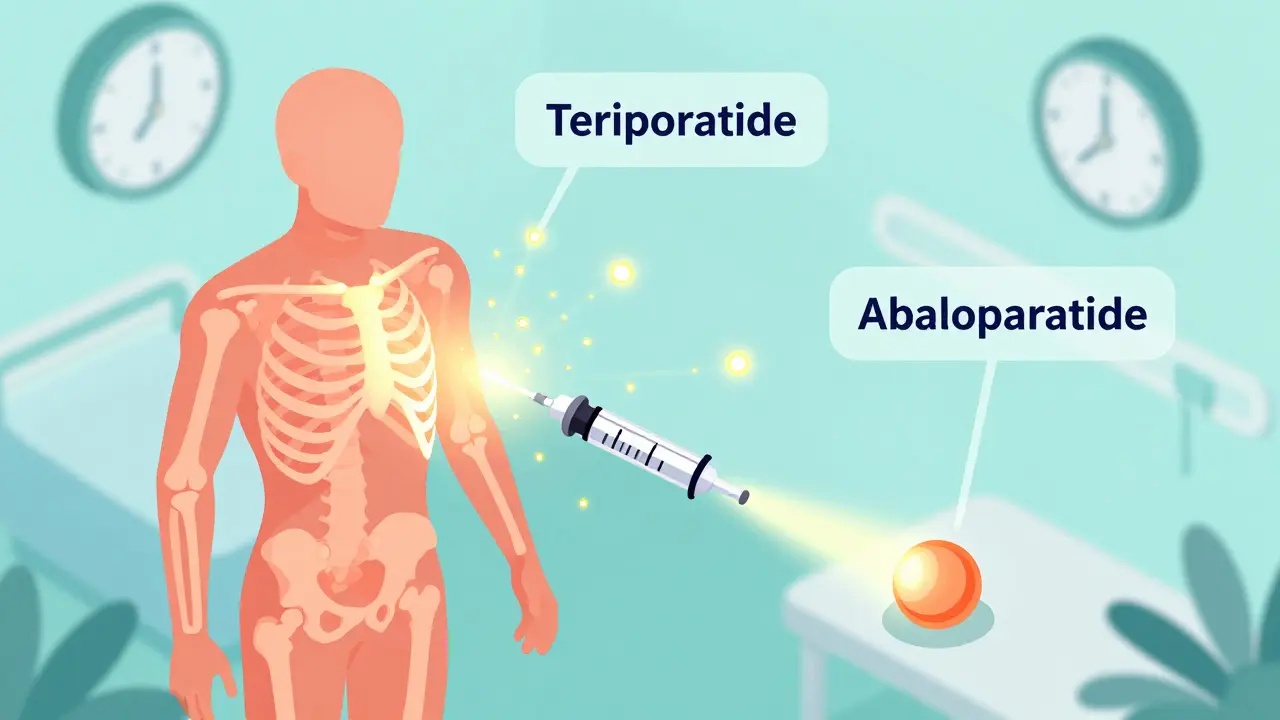
Teriparatide vs Abaloparatide: What You Need to Know About Anabolic Agents for Osteoporosis
Teriparatide and abaloparatide are two anabolic drugs that build bone in severe osteoporosis. Abaloparatide offers better hip protection and fewer side effects, but costs more. Teriparatide remains a strong, affordable option. Here’s how to choose.
- 11
- Read More
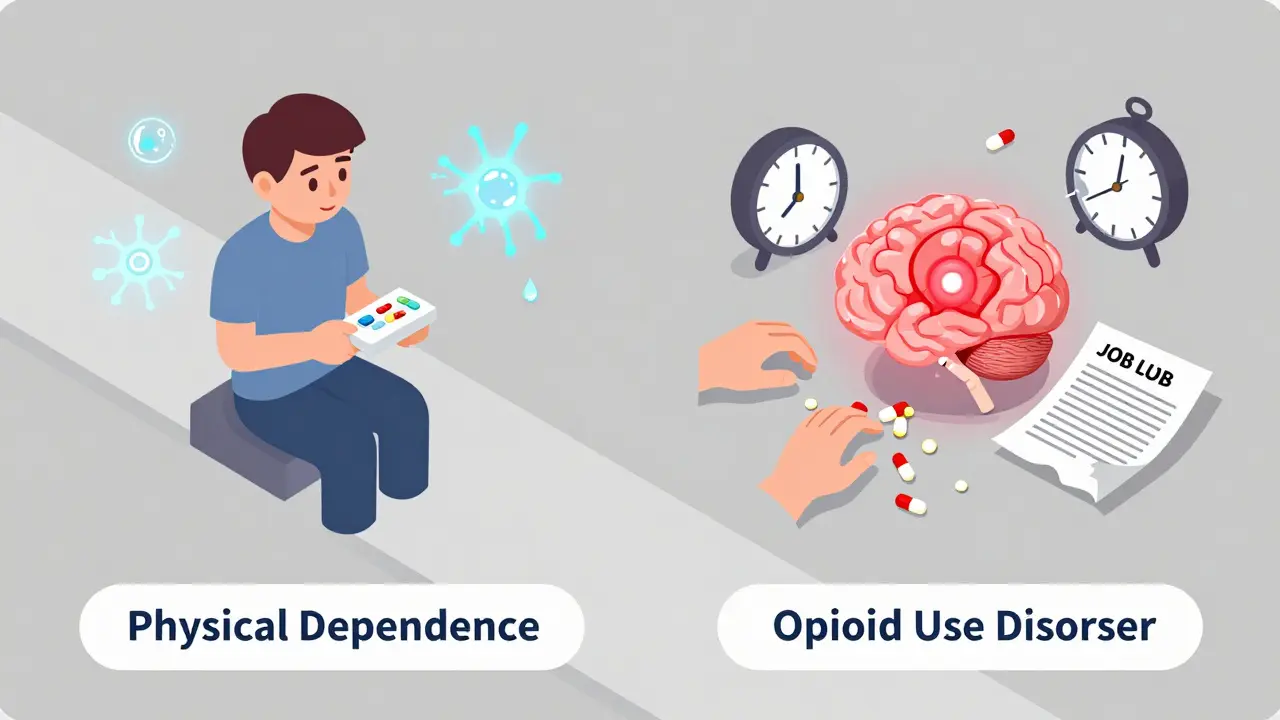
Physical Dependence vs Addiction: Clarifying Opioid Use Disorder
Understand the critical difference between physical dependence and addiction with opioids. Learn how dependence is normal with long-term use, while addiction is a brain disorder requiring treatment-not judgment.
- 13
- Read More
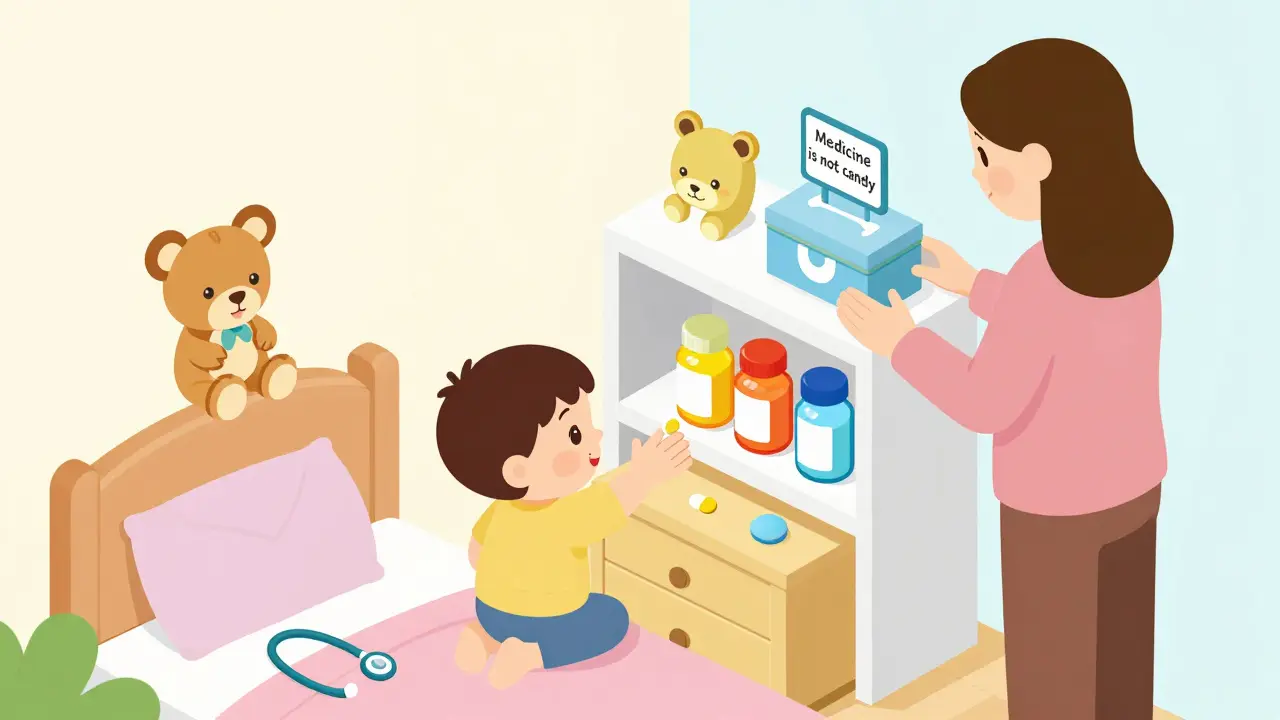
Teaching Children About Medication Safety at Home and School
Teach kids how to stay safe around medicine with age-specific lessons, proper storage, and school programs. Prevent accidental poisonings by starting early and using simple tools like lock boxes and oral syringes.
- 10
- Read More
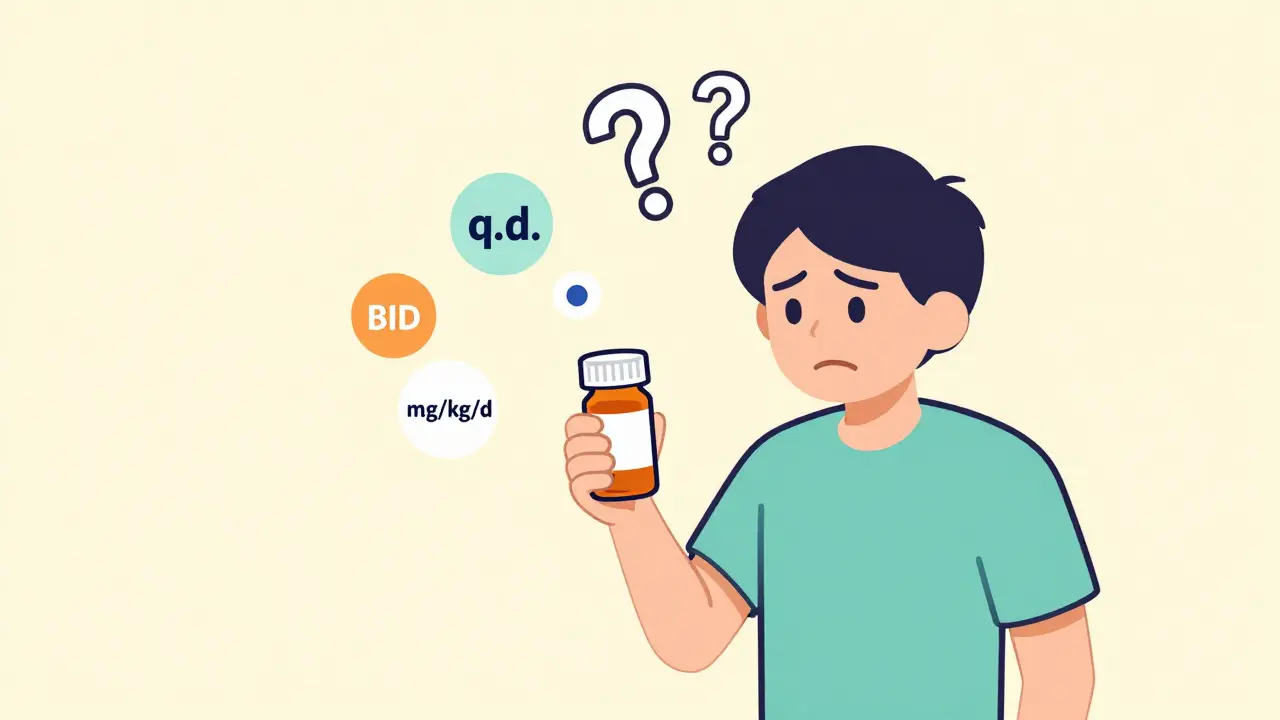
Getting Clarification on Confusing Medication Instructions
Confusing medication instructions can lead to dangerous errors. Learn how to read labels, ask the right questions, and avoid common mistakes when taking prescription drugs.
- 10
- Read More
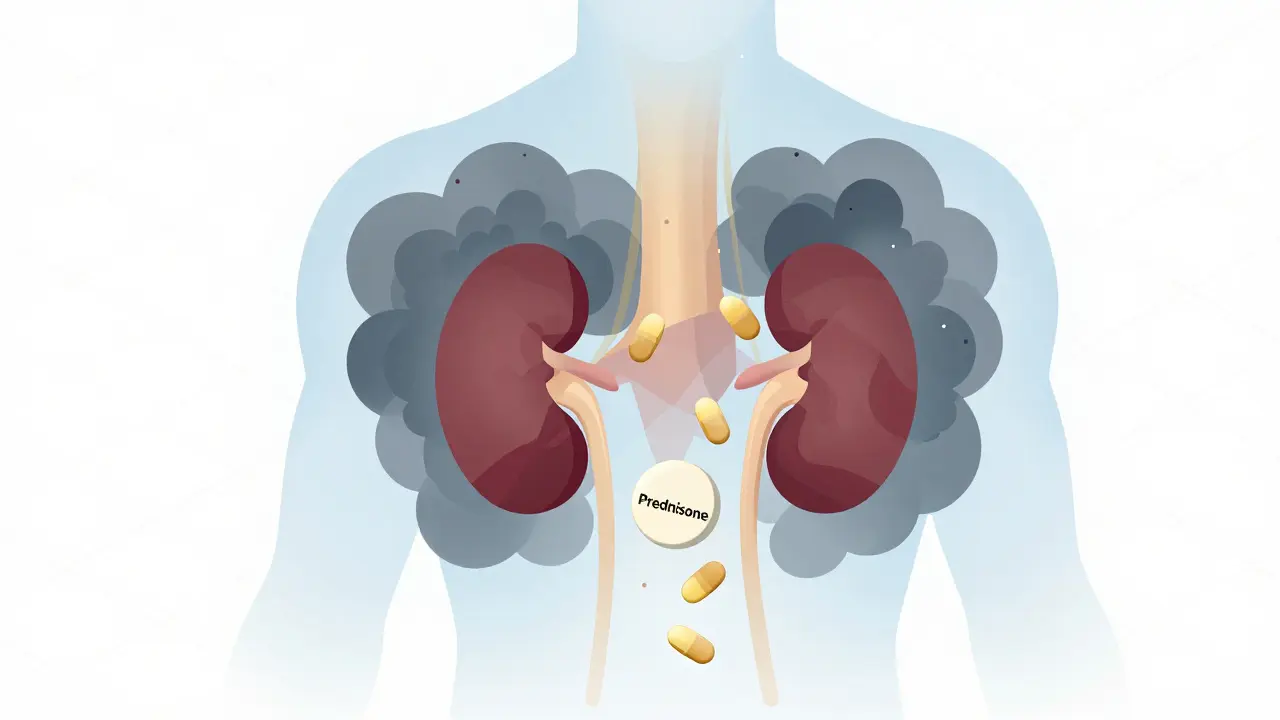
Adrenal Insufficiency from Corticosteroid Withdrawal: How to Recognize and Prevent a Life-Threatening Crisis
Stopping corticosteroids suddenly can trigger adrenal insufficiency - a life-threatening condition. Learn the early signs, how to taper safely, and why carrying an emergency injection could save your life.
- 14
- Read More

Thyroid Medications in Pregnancy: Dose Adjustments and Monitoring
Thyroid medication doses often need to increase by 30-50% during pregnancy to support fetal brain development. TSH levels must be monitored every 4 weeks, with targets under 2.5 mIU/L in the first trimester. Delayed adjustments raise miscarriage and developmental risks.
- 11
- Read More