Category: Prescription Medications - Page 2
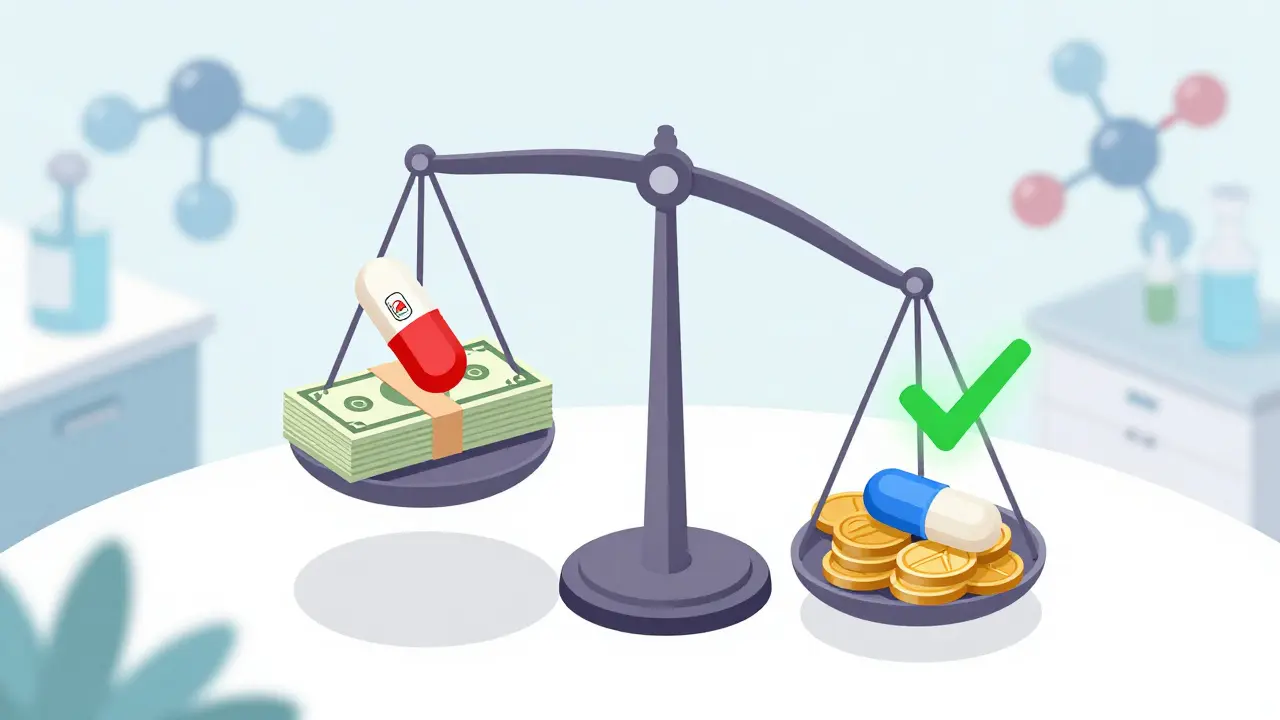
Reassurance from Research: What Clinical Studies Say About Brand-to-Generic Drug Switches
Clinical studies show that while most generic drugs work as well as brand-name versions, some patients - especially those on epilepsy or heart medications - face real risks when switching. Understanding when substitution is safe matters more than ever.
- 12
- Read More
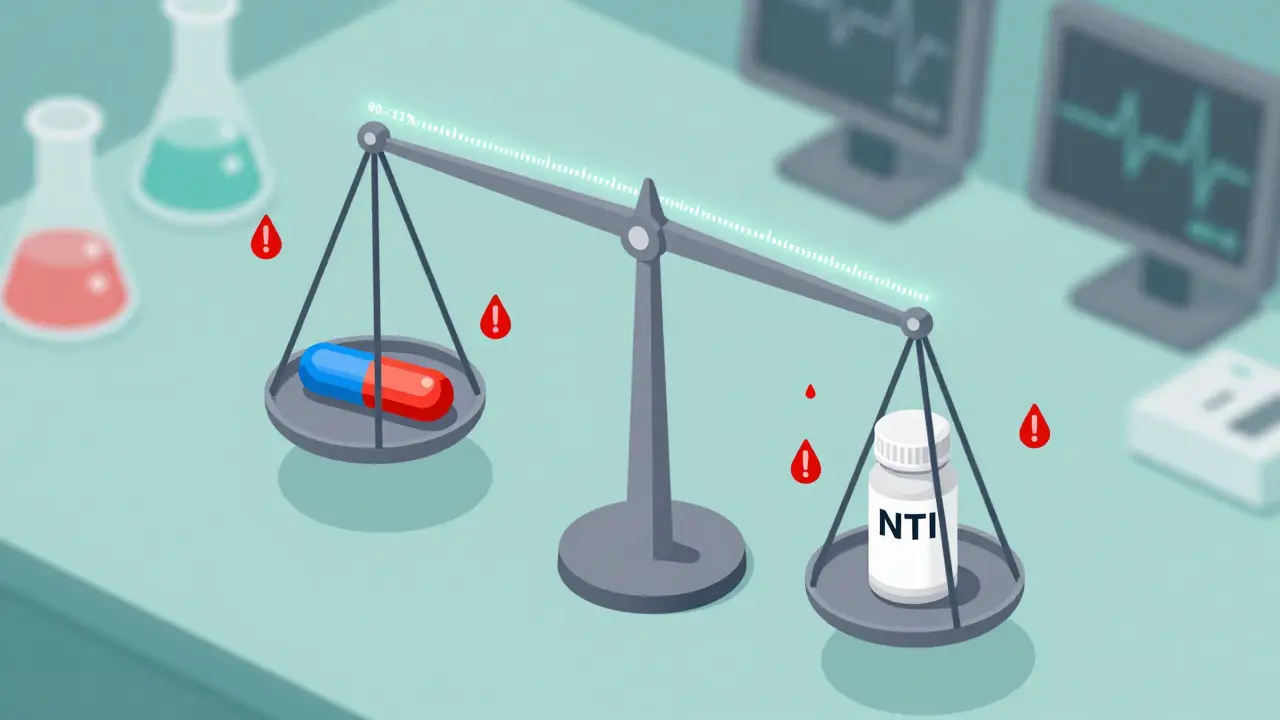
Bridging Studies for NTI Generics: Ensuring Safety and Efficacy
NTI generics require specialized bridging studies to ensure safety, as even small differences in absorption can lead to serious harm. Learn why these drugs demand stricter testing than standard generics and how regulators are adapting.
- 13
- Read More
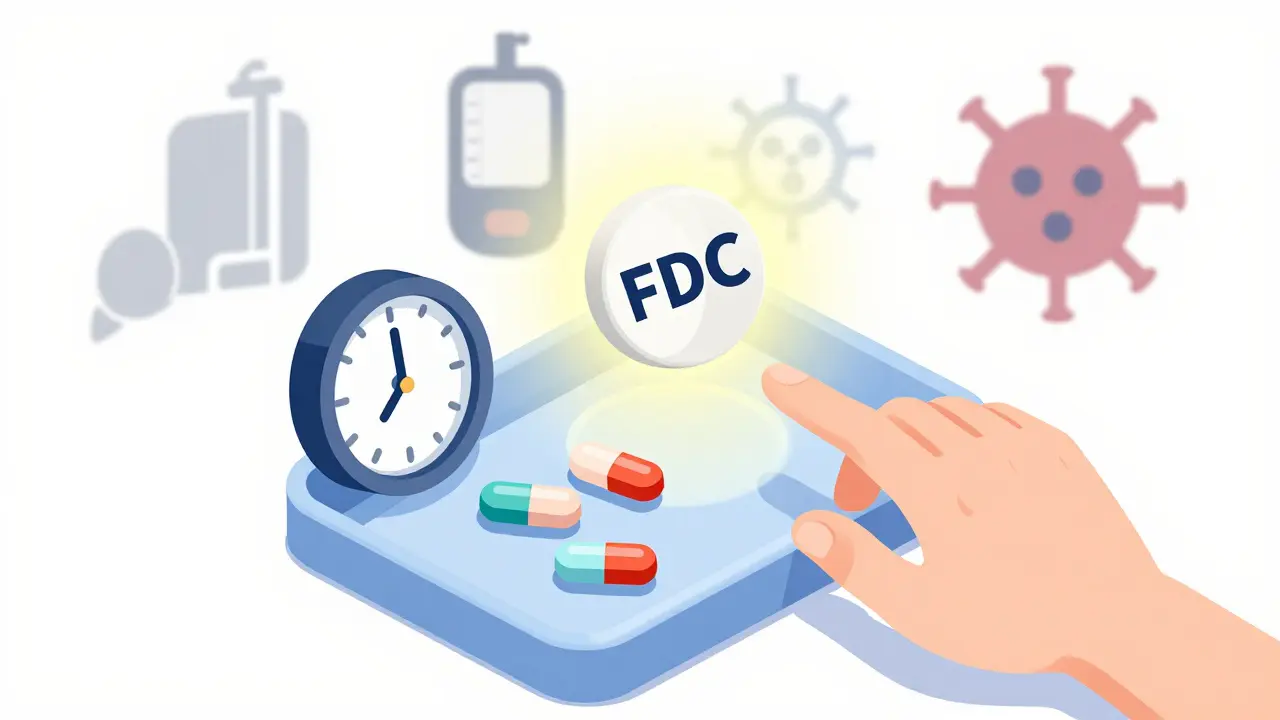
Fixed-dose combination drugs: what they are and why they exist
Fixed-dose combination drugs combine two or more medications in one pill to simplify treatment, improve adherence, and enhance effectiveness. They're widely used for chronic conditions like hypertension, diabetes, HIV, and TB-but not all combinations are clinically justified.
- 14
- Read More
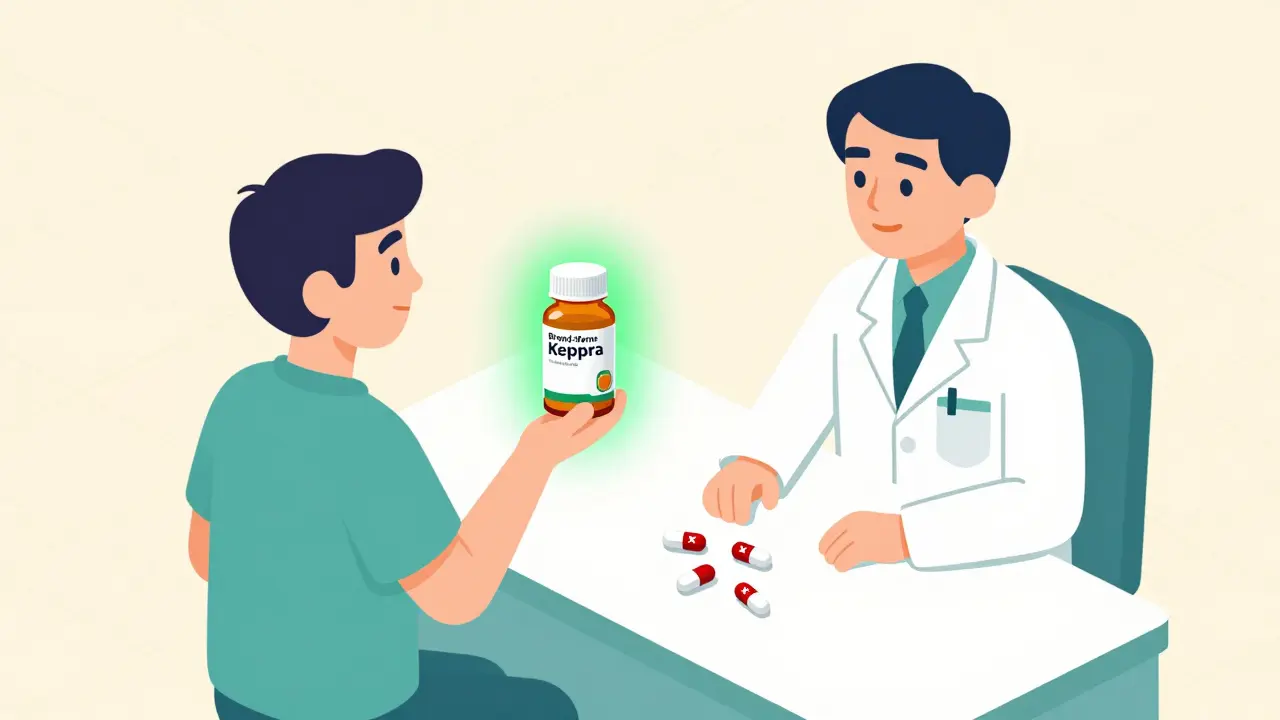
How to Talk to Your Doctor About Staying on a Brand Medication When Generics Are Pushed
Learn how to talk to your doctor about staying on a brand medication when insurers push for generics. Get practical tips, real evidence, and the exact phrases to use to protect your health.
- 14
- Read More
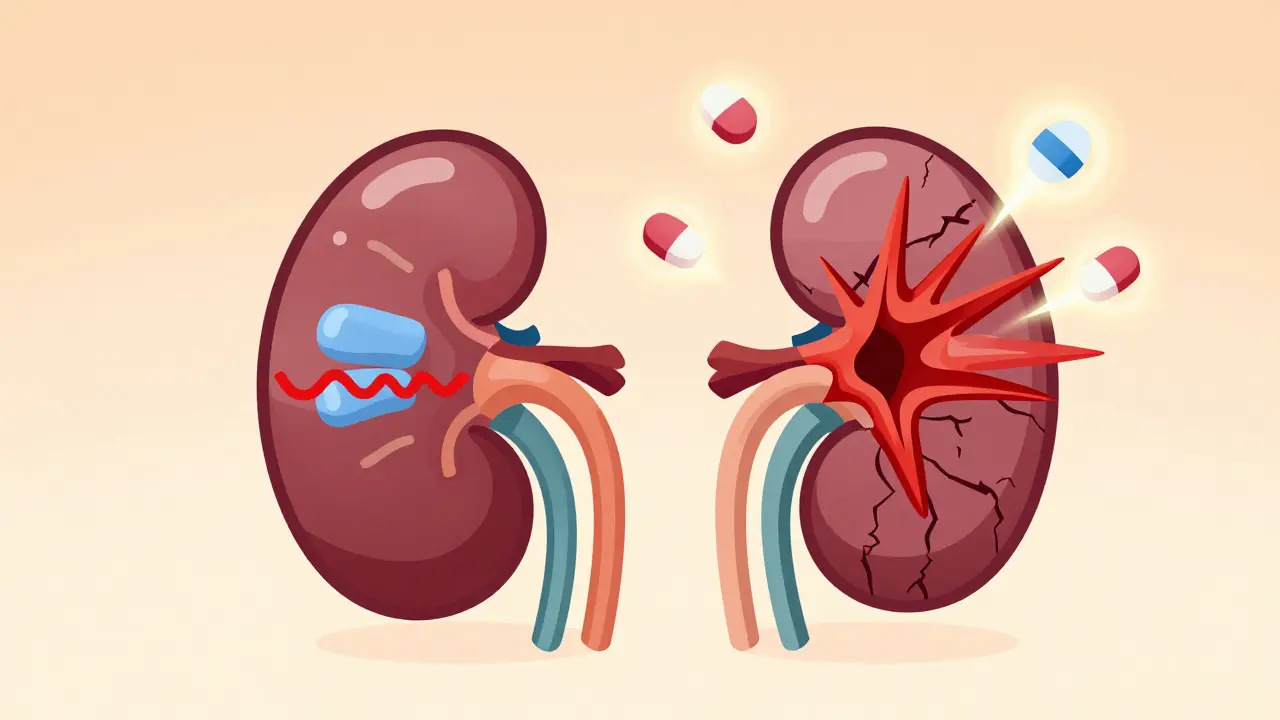
Blood Pressure Control in Kidney Disease: How ACE Inhibitors and ARBs Protect Your Kidneys
ACE inhibitors and ARBs are the most effective blood pressure medications for protecting kidneys in chronic kidney disease. They reduce proteinuria, slow kidney decline, and lower dialysis risk-even in advanced stages-when used with proper monitoring.
- 13
- Read More
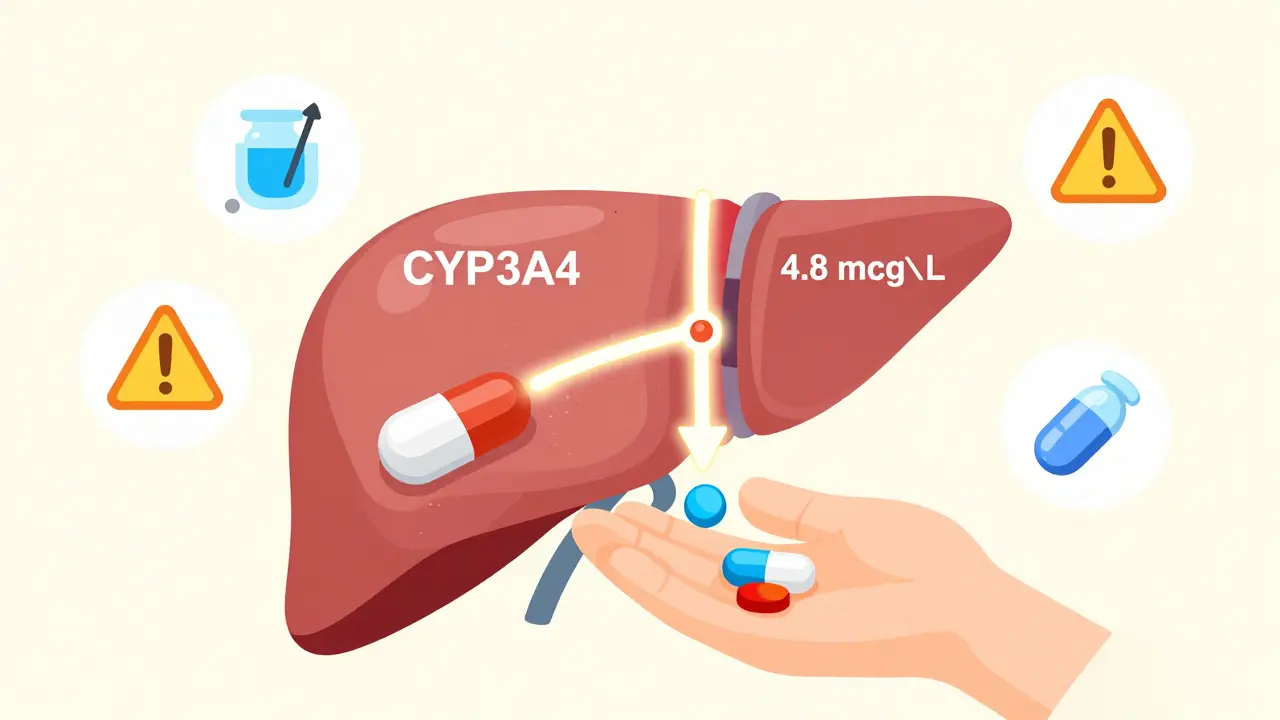
Carbamazepine Generics: Enzyme Induction and Drug Interactions Explained
Carbamazepine generics can cause dangerous drops in blood levels due to enzyme induction and formulation differences. Learn why switching brands risks seizures, how to prevent interactions, and what to ask your doctor.
- 10
- Read More
Global Medication Safety: How the U.S., EU, Canada, and Australia Regulate Drugs Differently
Different countries regulate drugs in wildly different ways. The U.S., EU, Canada, and Australia each have unique rules for approval, safety warnings, and manufacturing. Understanding these differences helps patients stay safe.
- 13
- Read More
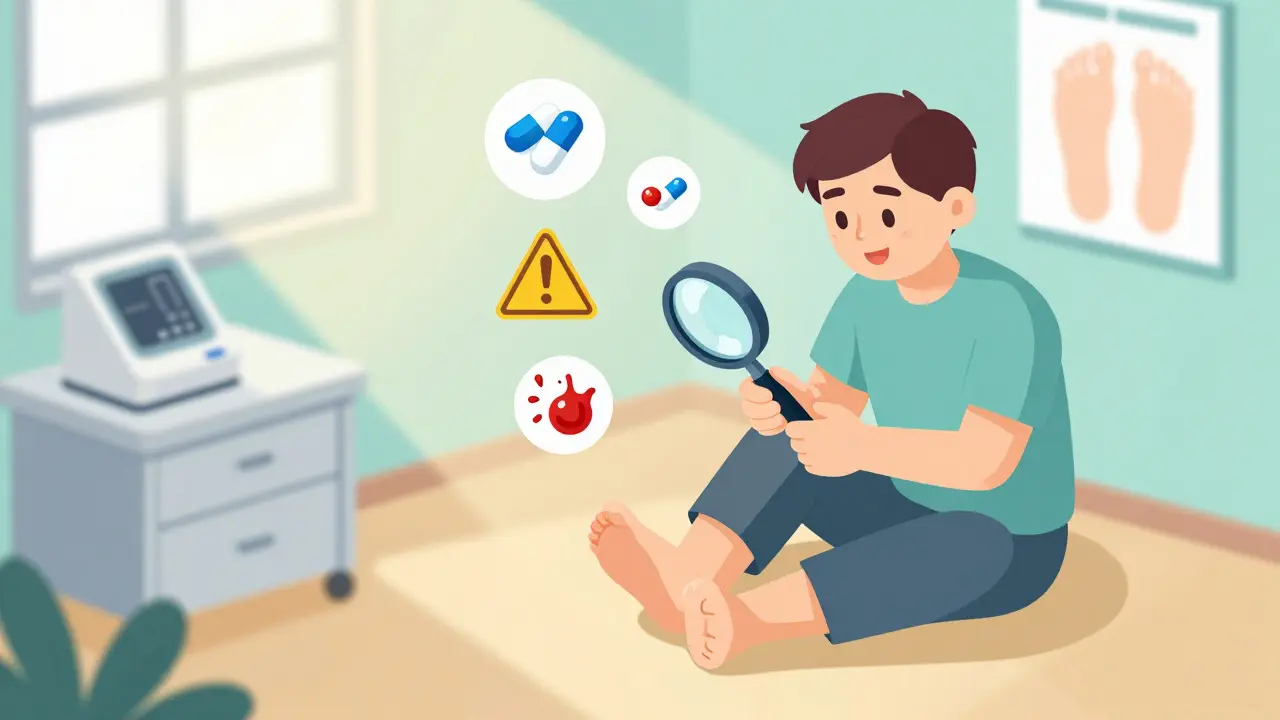
Canagliflozin and Amputation Risk: What You Need to Know Now
Canagliflozin (Invokana) carries a real, though rare, risk of leg and foot amputations in people with diabetes-especially those with poor circulation or nerve damage. Learn who’s at risk, what to watch for, and how to stay safe.
- 10
- Read More
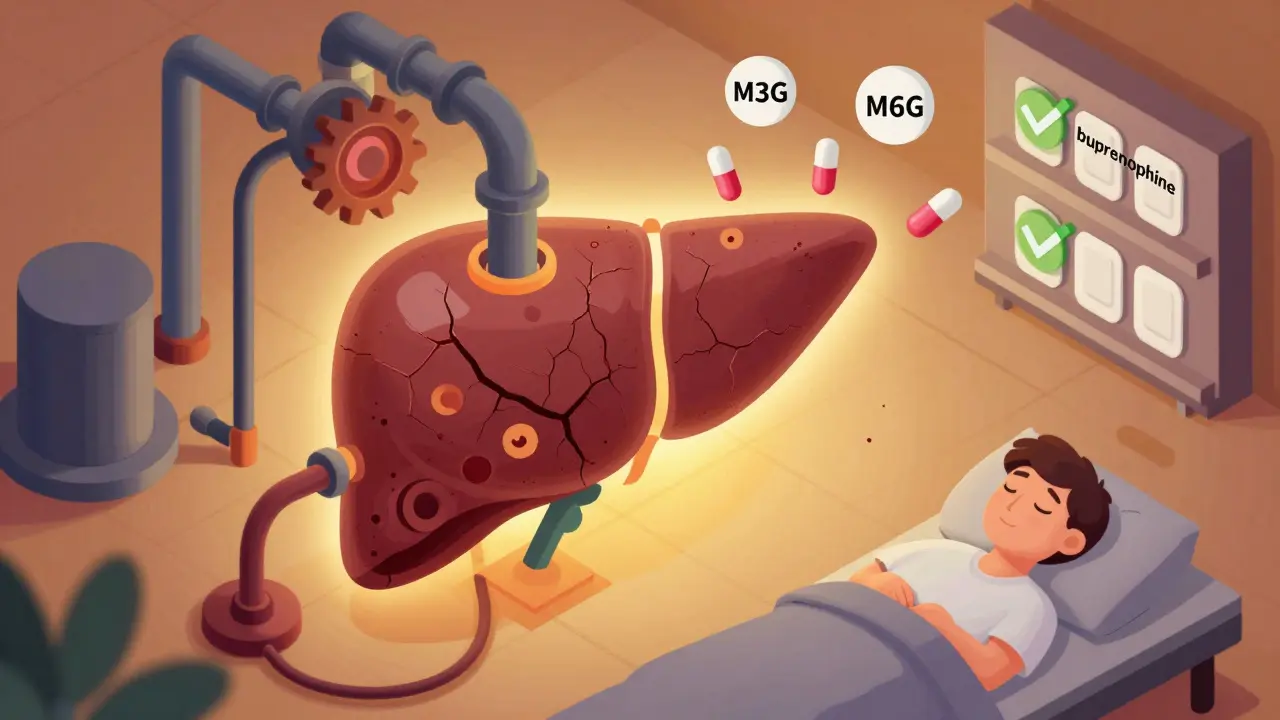
Opioids and Liver Disease: How Impaired Liver Function Changes Pain Medication Risks
Opioids can be dangerous in liver disease because the liver can't break them down properly, leading to buildup and toxicity. Learn which opioids are riskiest, how dosing changes, and safer alternatives.
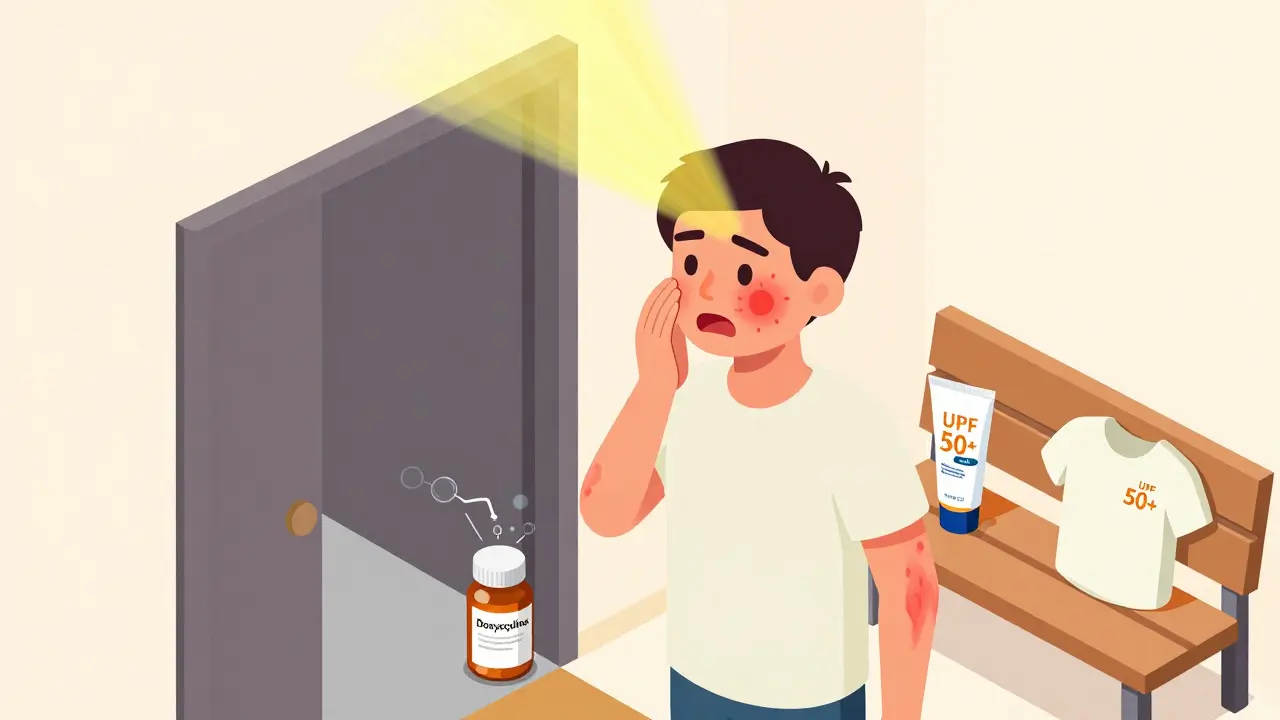
Photosensitivity from Medications: Sun Safety and Skin Protection Guide
Learn how common medications can make your skin dangerously sensitive to sunlight, what reactions to watch for, and how to protect yourself with the right sunscreen, clothing, and habits.
- 13
- Read More