Category: Pharmacy and Medication - Page 2
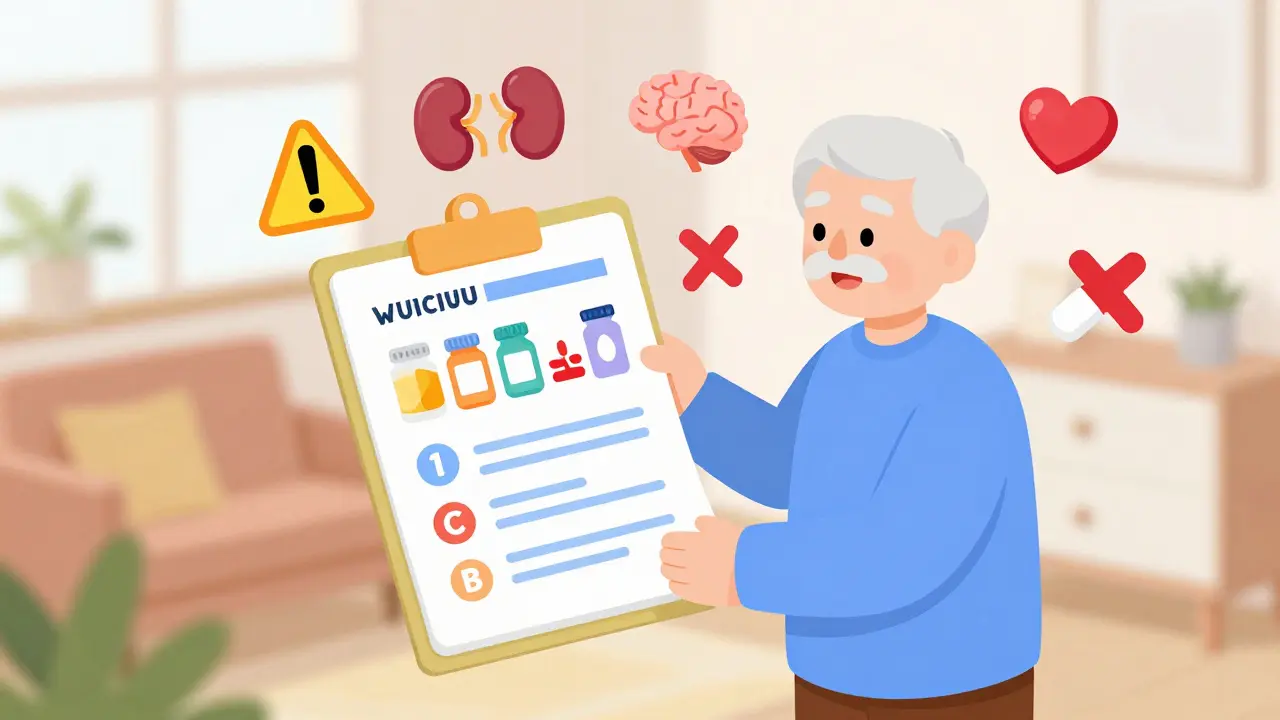
Managing Multiple Medications: How to Reduce Drug Interactions and Stay Safe
Managing multiple medications safely means reducing drug interactions through careful reviews, deprescribing unnecessary drugs, and working with your care team. Learn how to stay in control of your meds.
- 14
- Read More
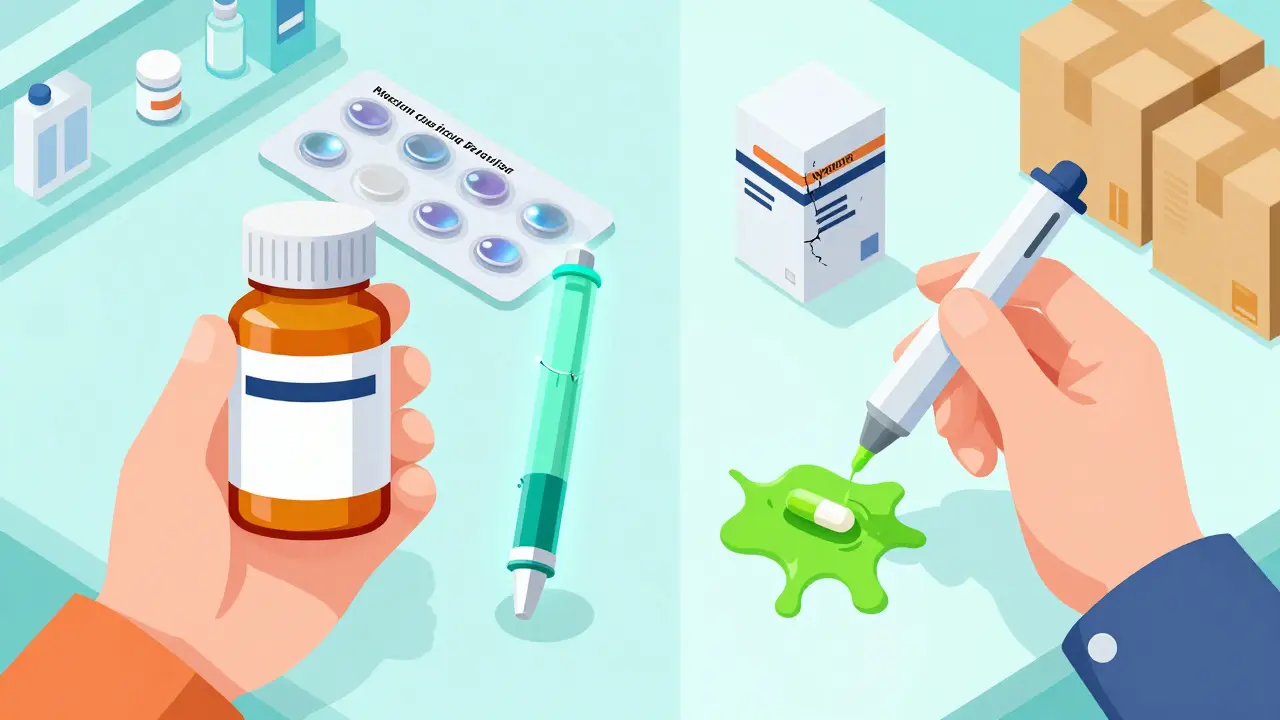
Counterfeit Generics: How to Protect Yourself from Fake Medications
Counterfeit generics are fake medications that look real but contain no active ingredients or dangerous substitutes. Learn how to spot them, where to buy safely, and what to do if you’ve been sold a fake drug.
- 15
- Read More
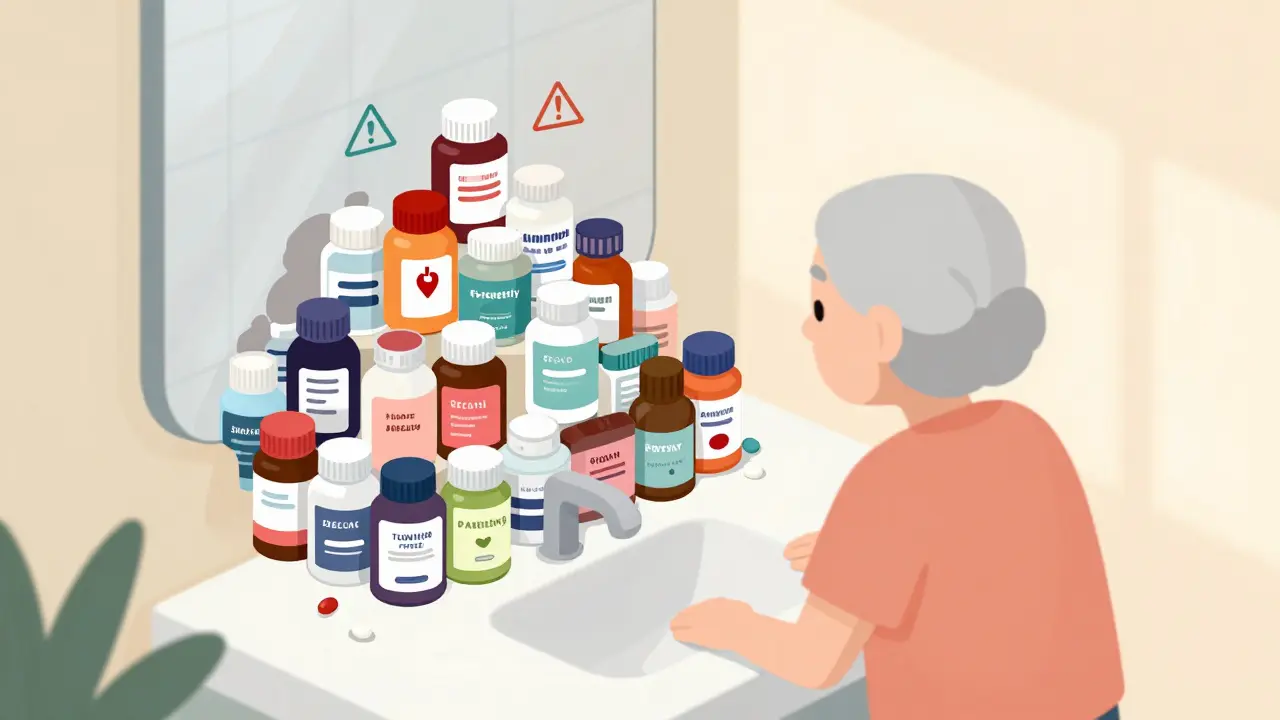
Polypharmacy in Older Adults: Understanding Interactions and How to Deprescribe Safely
Polypharmacy in older adults increases risks of falls, hospitalizations, and drug interactions. Learn how deprescribing can improve safety, reduce side effects, and restore quality of life with practical steps and expert insights.
- 13
- Read More

Generic Drug Naming Explained: USAN, INN, and Brand Name Basics
Learn how generic drug names like USAN and INN are created, why they differ between countries, and how they help prevent deadly medication errors. Understand the science behind drug naming and why it matters for patient safety.
- 12
- Read More
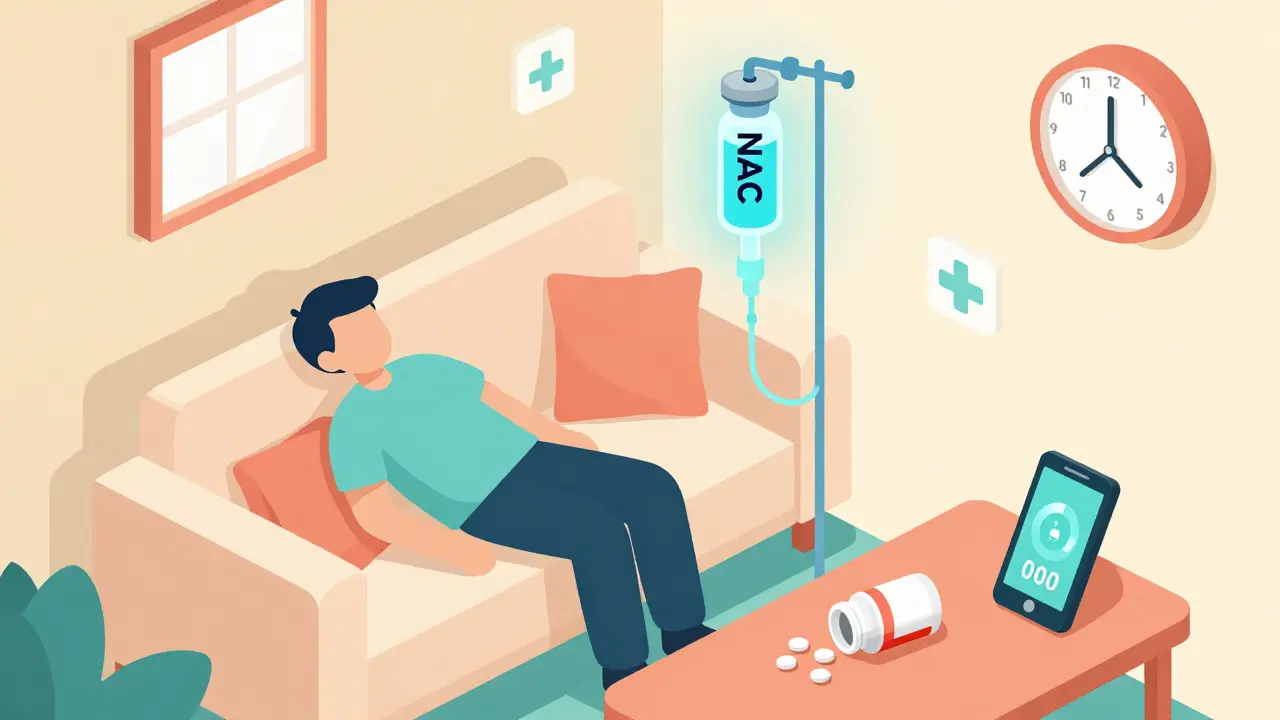
Antidotes for Common Medication Overdoses: What You Need to Know
Learn how antidotes like naloxone and NAC work for common medication overdoses. This guide explains what to do, when to act, and where to get help-without medical jargon.
- 15
- Read More
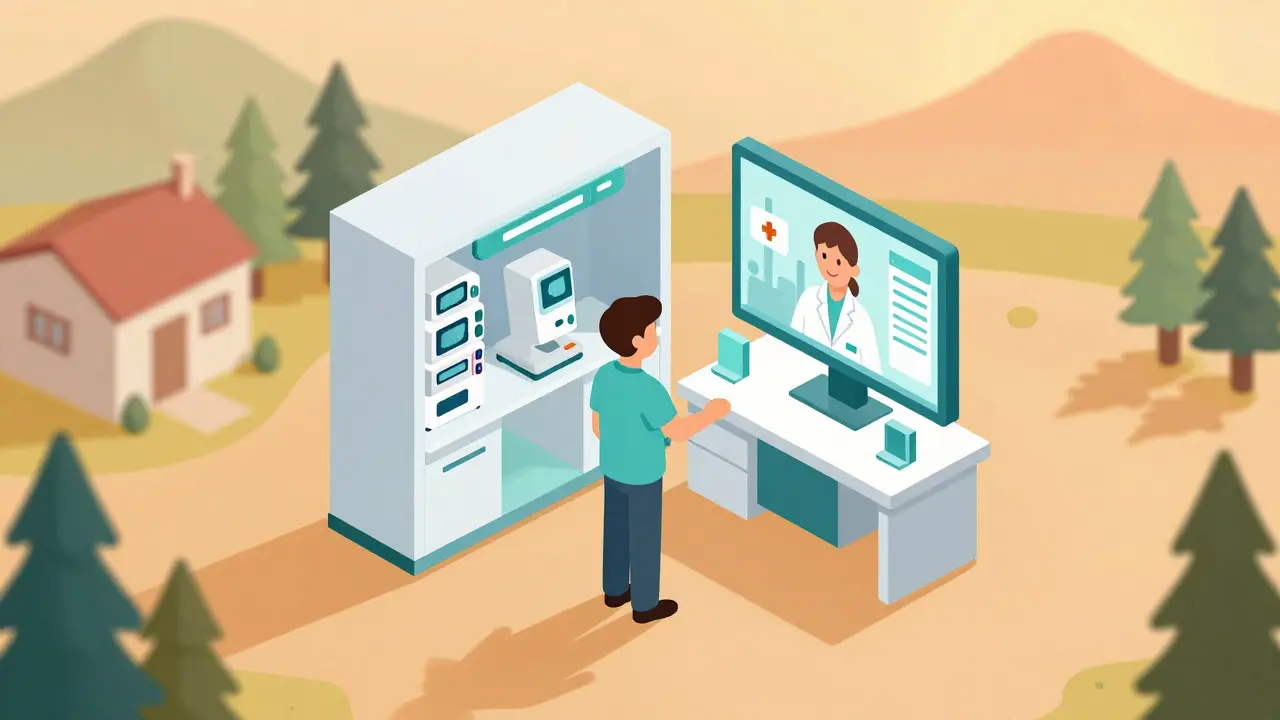
Telepharmacy and Safety Outcomes: What Recent Studies Reveal
Telepharmacy improves medication access in rural areas and matches traditional pharmacies in safety outcomes, with studies showing fewer errors and lower hospitalization rates. But tech limits and training gaps remain challenges.
- 13
- Read More
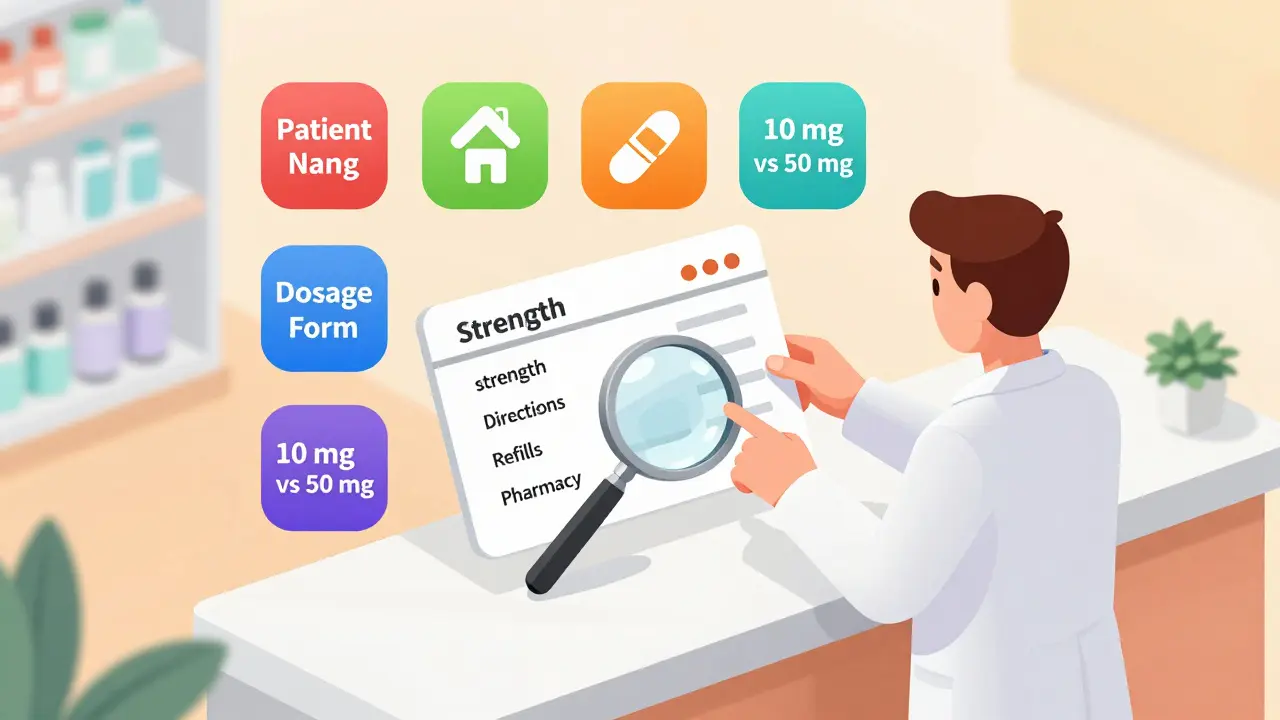
Questions to Ask About Your Prescription Label at the Pharmacy
Learn the essential questions to ask about your prescription label at the pharmacy to avoid dangerous medication errors. Know what to check, how to read instructions, and when to ask for help.
- 11
- Read More
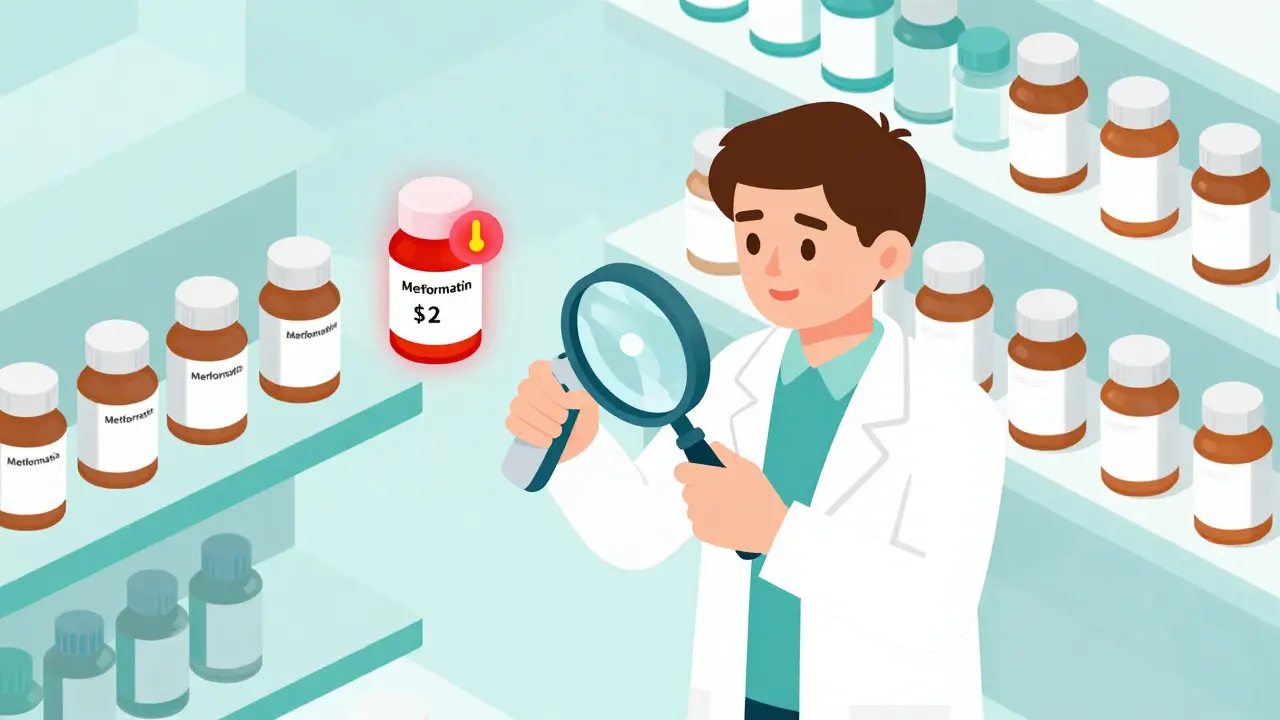
Pharmacist Education: Training on Counterfeit Drug Detection
Pharmacists are the last line of defense against counterfeit drugs. Learn how modern training, AI tools, and global protocols help them spot fake medications before they reach patients.
- 12
- Read More
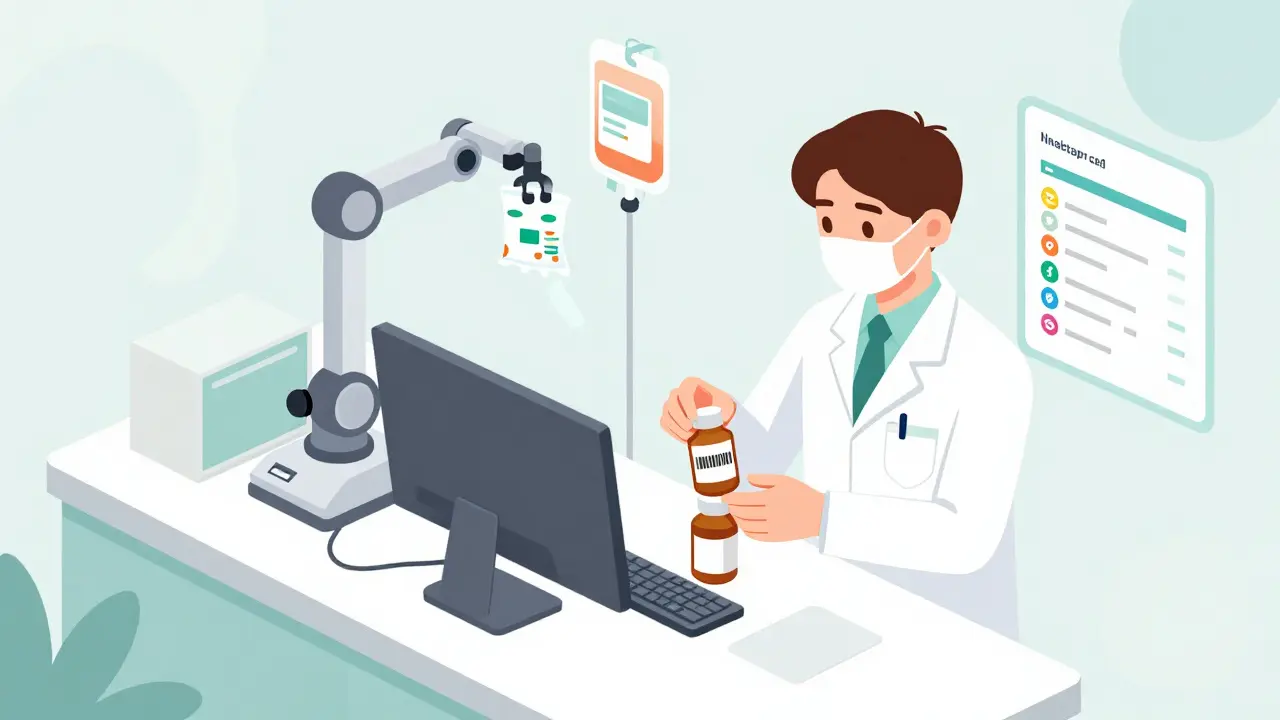
Pharmacy Workflow and Error Prevention Systems Explained
Pharmacy workflow and error prevention systems use automation, barcode scanning, and real-time EHR integration to cut medication errors by up to 85%. Learn how these tools protect patients and reduce pharmacist burnout in Australia.
- 13
- Read More
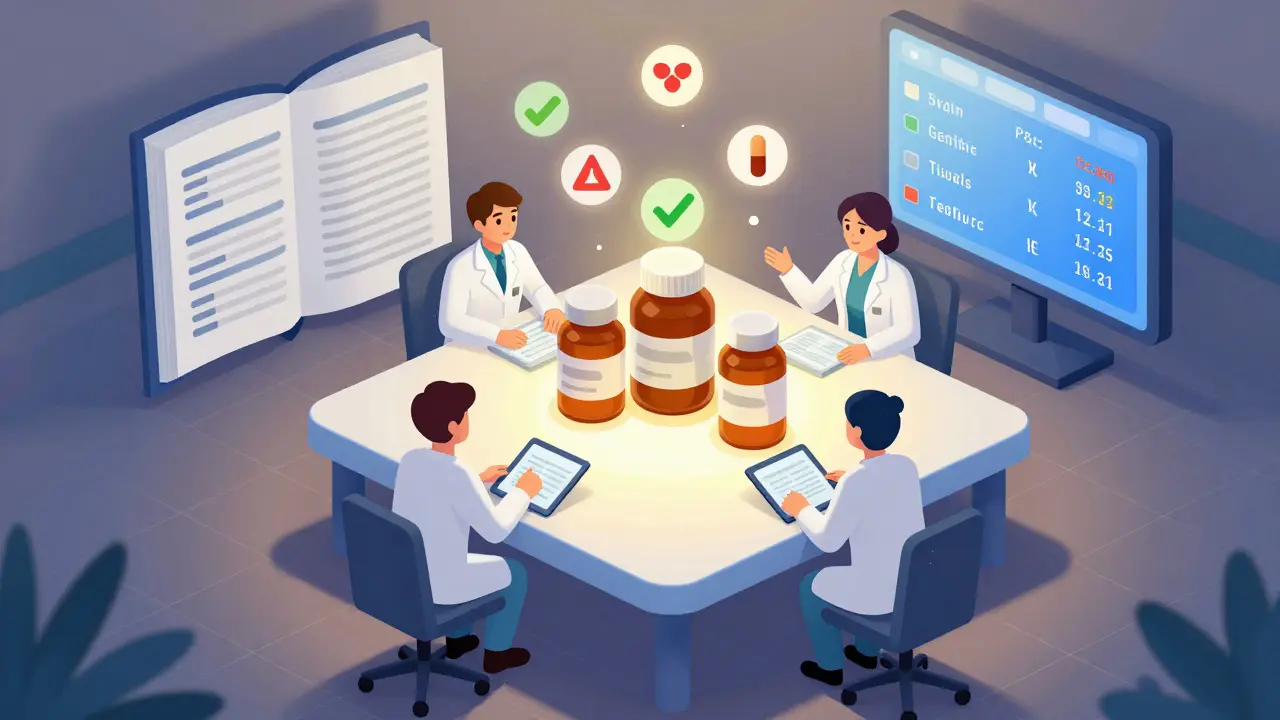
Hospital Formulary Economics: How Institutions Choose Generics to Cut Costs Without Compromising Care
Hospitals choose generics not just by price, but by clinical safety, supply reliability, and hidden costs like rebates and shortages. Learn how P&T committees make these critical decisions in 2025.